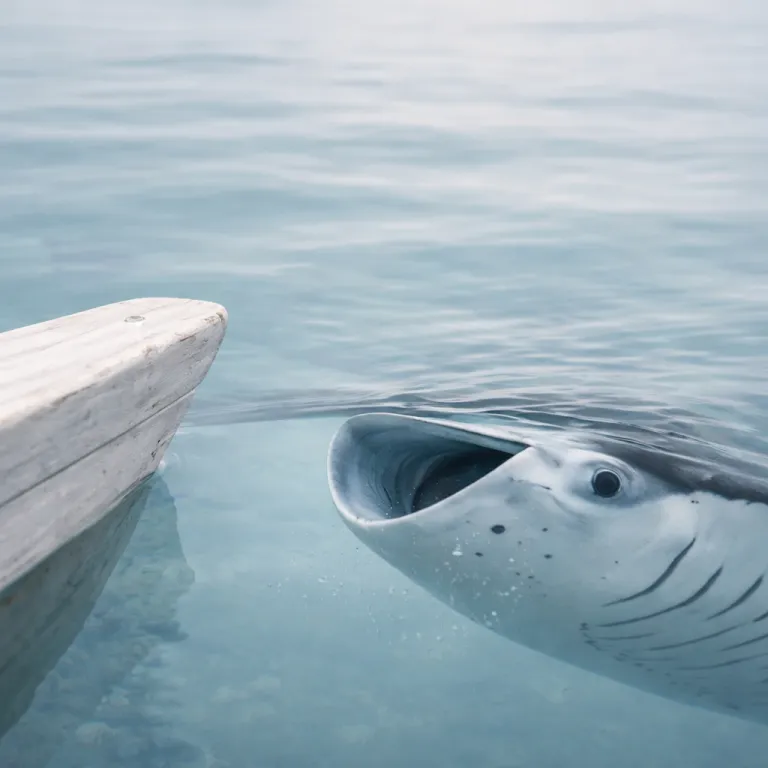
Hanifaru Bay manta ray season: how to time and plan your trip like a local guide
Reading the Hanifaru Bay manta ray season like a local guide
Hanifaru Bay sits on the eastern edge of Baa Atoll, a shallow scoop in the reef where currents slow and plankton gathers. During the southwest monsoon season from May to November, ocean flows push microscopic life into this small bay in the Maldives, turning it into a feeding arena for manta rays and the occasional whale shark. This is when the Hanifaru Bay manta ray season becomes the headline act for travelers choosing between islands and planning the best time for their trip.
The geometry of the bay in the Maldives works like a natural funnel, concentrating plankton in a tight space that attracts mantas from across the wider Baa Atoll region. When conditions align, you may see dozens of manta rays circling in formation, with reef manta rays gliding just below the surface and sometimes a giant oceanic manta cruising deeper. On exceptional days, whale sharks and smaller sharks patrol the edges of the action, creating one of the best diving-adjacent snorkeling spectacles on the planet even though the bay itself is strictly snorkel only.
Local rangers manage access to Hanifaru Bay with permits, 45 minute time slots and strict rules that keep the manta season sustainable. Only snorkeling is allowed, so there is no scuba diving or technical dive activity inside the Hanifaru Bay site, and this protects both mantas and whale sharks from bubbles and crowding at depth. The result is a rare balance where a world famous manta ray aggregation remains accessible to guests at luxury island resorts while still feeling like a functioning marine sanctuary rather than an underwater theme park.
Data callout: Long-term monitoring by the Baa Atoll Conservation Programme and Manta Trust, summarised in the Hanifaru Bay management plan, documents peak counts of around 100 individual reef manta rays on exceptional days, alongside strict daily limits on visitor numbers to protect the site’s UNESCO Biosphere Reserve status.
When to go: May’s quiet promise versus peak manta traffic
For most travelers, the key question is simple yet nuanced: when is the best time to visit Hanifaru Bay for manta rays. The honest answer is that the Hanifaru Bay manta ray season runs from May to November, with a clear peak in activity from around June to October when plankton blooms are strongest. May sits at the front edge of the manta season, offering real opportunities for encounters but with more variability in manta numbers and feeding intensity.
During peak months, aggregations of mantas at Hanifaru can reach extraordinary levels, with up to 100 individuals recorded in a single day when conditions align, according to long term monitoring by Manta Trust and Baa Atoll conservation teams. This is when manta rays and whale sharks sometimes feed side by side, and when the bay snorkeling experience feels like stepping into a living documentary rather than a standard snorkeling excursion. One verified guidance often shared by marine teams is that “Visit during peak months for best experience,” especially if you want multiple chances to see feeding trains and barrel rolls.
May, however, has its own quiet appeal for the solo explorer who values space as much as spectacle. Boat numbers are lower, queues at the bay entrance are shorter and your 45 minute slot can feel more contemplative, even if you share the water with fewer mantas or no whale shark at all. If you are weighing May against later months such as October, pair this decision with a broader seasonal plan for the Maldives using a refined guide to planning the Maldives in October for a refined island escape, so your overall itinerary balances manta season probabilities with wider island experiences.
Choosing your base: Baa Atoll resorts, transfers and real access
Where you stay in Baa Atoll quietly dictates how you experience the Hanifaru Bay manta ray season. Some luxury island resorts sit within a short speedboat ride of the Hanifaru Marine Protected Area, offering regular excursions that can pivot quickly when rangers report strong manta activity. Others in neighboring atolls in the Maldives require longer crossings or even overnight liveaboard style arrangements, which can be rewarding but less nimble when the mantas move.
For travelers who want Hanifaru at the heart of their trip, staying within Baa Atoll is the most efficient choice, with properties such as Nautilus Maldives, Milaidhoo and other high end islands running tightly coordinated manta season programs. These resorts work closely with Manta Trust researchers and local rangers, timing departures around tides, plankton forecasts and the subtle cues that signal when manta rays and whale sharks are likely to appear. The best time to book is as early as possible in the season, especially if you want multiple chances to visit the bay or combine it with other best diving sites in the region.
Reaching Baa Atoll usually involves a seaplane hop from Malé, and the quality of that transfer can shape your first impression of the islands. Typical flight times range from 30 to 45 minutes depending on routing, with return fares often sitting in the mid to high hundreds of US dollars per person, bundled into many luxury resort packages. Before you lock in a resort, read an elegant guide to seaplane transfers for luxury island resorts so you understand how flight timings, luggage limits and daylight schedules interact with your manta season plans. If your trip extends beyond November into the drier months, it is also worth studying how the weather in Maldives in December affects luxury stays and serene island escapes, because the focus then shifts from manta aggregations to clear water diving, sharks on outer reefs and calm lagoon snorkeling.
In the water: what the Hanifaru rules mean for your experience
Stepping off the boat at Hanifaru Bay, you enter a tightly managed marine stage rather than a free for all snorkeling site. Rangers from Baa Atoll control the number of boats inside the bay, enforce the 45 minute rotation and ensure that guests respect the no touch, no chase code around manta rays and whale sharks. There is no scuba diving here, so even experienced divers must leave their dive gear on the island and adapt to a pure snorkeling encounter.
The absence of tanks and bubbles keeps the water column clear, which is crucial when mantas at Hanifaru are barrel rolling just below the surface and sharks or a passing whale shark cruise deeper in the blue. You will float at the top of the water column, watching reef manta rays and the occasional giant oceanic manta sweep through shafts of light as they filter plankton from the bay. On some days, the choreography is frenetic, with mantas crossing paths in tight loops; on others, the season feels slower, with only a handful of individuals gliding through the Maldivian atoll waters.
Boat choice matters more than many guests realise, especially during the busiest part of the manta season. A smaller vessel with 10 to 12 guests gives you more room to spread out in the water and reduces the sense of crowding when several boats share the bay snorkeling zone at once. Larger boats with 25 to 30 people can feel overwhelming, particularly for less confident swimmers or families testing whether this is the best time to introduce children to open ocean wildlife.
Who this is really for: swimmers, families and the wider Indian Ocean context
Hanifaru Bay is not a gentle lagoon dip; it is open ocean snorkeling with real currents, deep water and fast moving manta rays. Operators generally expect guests to be strong, confident swimmers who are comfortable in 10 to 20 metres of water without standing, and this threshold matters more than age alone. For families, the Hanifaru Bay manta ray season is best suited to older children and teenagers who already enjoy snorkeling and can handle the pace of getting in and out of the bay quickly.
If you are a diver who loves structured dive profiles, remember that your best diving around Baa Atoll will happen outside the bay, on channels and thilas where sharks, rays and schooling fish gather. Many guests pair a Hanifaru snorkel with a separate dive day focused on reef manta cleaning stations, where the same species of manta circle coral bommies while cleaner fish work over their wings. This is where your dive log fills with classic Maldives entries, from grey reef sharks to eagle rays, while the bay itself remains a snorkel only highlight of the manta season.
For travelers who have already swum with manta rays in Bali, Komodo or Raja Ampat in Indonesia, or even in subtropical sites near Japan, Hanifaru offers a different kind of intensity. Those destinations often focus on cleaning stations or single file feeding, whereas this bay in the Maldives is about density, motion and the rare chance to see multiple species of manta and perhaps a whale shark sharing the same plankton cloud. If you are planning a broader Indian Ocean circuit, you can treat Hanifaru as the high energy counterpoint to quieter reef dives in places like Sola Corner in Raa Atoll or Fushifaru Thila in Lhaviyani, which we will explore in depth in a separate guide.
Planning beyond the bay: monsoon rhythms, alternative sites and realistic expectations
Understanding the southwest monsoon is the key to reading the Hanifaru Bay manta ray season with the same nuance as local guides. From May onwards, winds and currents shift, pushing plankton rich water along the eastern edges of Baa Atoll and into the bay’s shallow bowl, where the geometry slows the flow and concentrates food. Around the full moon, tidal ranges can amplify this effect, sometimes triggering especially intense feeding events when manta rays and whale sharks converge in the same compact space.
Yet even in peak manta season, there are no guarantees, and this is where setting expectations honestly protects both your experience and the bay itself. Some days bring only a few mantas at Hanifaru, gliding in loose circles while sharks patrol the deeper rim and snorkelers drift quietly above. Other days, the Maldives atoll feels electric, with multiple passes of reef manta rays, a surprise whale shark and the sense that you are witnessing one of the best natural spectacles in the Maldives rather than a scheduled attraction.
Smart itineraries build in flexibility, giving you several potential days to visit Hanifaru Bay while also planning alternative experiences if conditions are not ideal. Nearby islands and resorts can arrange dives at outer reef channels, sunset cruises in search of dolphins and educational sessions with Manta Trust researchers who explain how data from Hanifaru feeds into global understanding of manta species behaviour. If your schedule allows, consider pairing Baa Atoll with other islands known for manta season encounters, such as certain sites in Bali and selected channels in Indonesia, so your trip weaves together different styles of manta ray interaction across the wider Indian Ocean.
What to pack and safety tips for Hanifaru Bay
Bring a well-fitting mask and snorkel, adjustable fins and a lightweight rash guard or shorty wetsuit for sun and jelly protection. Reef-safe sunscreen, a compact dry bag and a simple surface marker or brightly coloured tow float improve comfort and visibility from the boat. If you are prone to seasickness, take motion sickness tablets in advance, and always follow ranger and guide instructions on entry, exit and keeping a respectful distance from manta rays and whale sharks.
FAQ
When is the best time to visit Hanifaru Bay for manta rays?
The most reliable period for manta rays at Hanifaru Bay runs from around June to October, within the broader May to November season. During these months, southwest monsoon currents consistently push plankton into the bay, creating frequent feeding events documented by local monitoring programmes. May and November can still deliver excellent encounters, but sightings are less predictable and require more flexibility in your schedule.
Are whale sharks present during the Hanifaru Bay manta ray season?
Whale sharks do appear at Hanifaru Bay, but they are secondary visitors compared with reef manta rays. Sightings tend to cluster in the middle of the season when plankton density is highest and both species are feeding in the same water column. Treat any whale shark encounter here as a bonus rather than a guaranteed part of your manta focused trip.
Is scuba diving allowed inside Hanifaru Bay?
No, scuba diving is not permitted inside Hanifaru Bay under current regulations. The site is managed as a snorkel only zone to reduce disturbance to manta rays and whale sharks, with strict time limits and ranger supervision based on Baa Atoll Biosphere Reserve guidelines. Divers can still enjoy excellent nearby sites in Baa Atoll, where cleaning stations and channels offer classic Maldives dive profiles.
How strong a swimmer do I need to be to snorkel at Hanifaru Bay?
You should be a confident open water swimmer, comfortable in deep water with surface chop and moderate current. There is no place to stand inside the bay, and entry and exit from the boat can be brisk when rangers manage multiple groups. If you are unsure, arrange a warm up snorkeling session on your resort’s house reef before committing to a Hanifaru excursion.
Do I need to book Hanifaru Bay permits in advance?
Permits are managed through resorts and operators, so advance planning is essential, especially during peak manta season. High end properties in Baa Atoll typically secure allocations early and then match guests to available slots based on stay dates and conditions, following daily limits set by the Hanifaru Bay management plan. If Hanifaru is a priority, tell your resort at the time of booking so they can align your stay with likely excursion days.