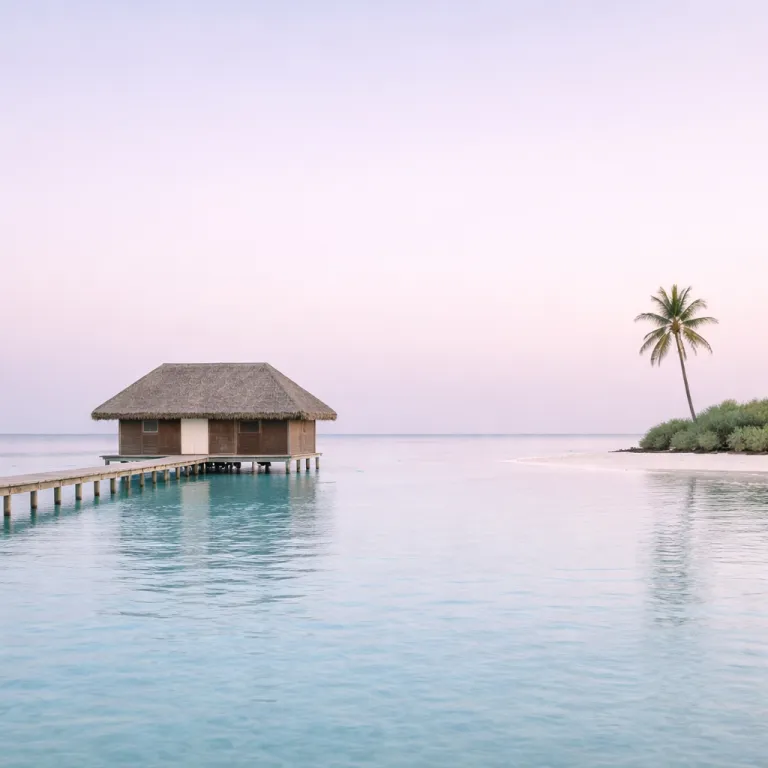
Best hotels in the northern atolls of the Maldives
Why choose the northern atolls in the Maldives
Turquoise channels, quieter lagoons, and a sense that the next island over might still be undiscovered. The northern atolls of the Maldives feel more remote than the busy ring around Malé, and that is precisely their appeal. Guests who come here are usually trading quick transfers for a deeper, slower experience of island life.
Compared with Malé Atoll and the emerging Fari Islands area, the northern atolls offer fewer hotels and resorts, but a higher concentration of serious marine life and generous space per guest. Many islands sit on the edge of deep channels, which means manta rays and turtles are not brochure promises but daily sightings in season. If you care more about the house reef than the number of restaurants, this region deserves your attention.
For a first stay in the Maldives, the northern atolls suit travelers who already know they want seclusion, not a quick city-and-beach combination. They work especially well for couples, divers, and families who prefer nature and water activities over nightlife. If you are looking for the best hotels in terms of reef access and a strong sense of place, this is one of the most rewarding areas to consider for your booking.
- Joali Maldives (Raa Atoll) – Seaplane, around 40 minutes from Malé; upper-luxury price tier; known for design-led villas, art installations, and a lush, jungle-style interior.
- Amilla Maldives (Baa Atoll) – Seaplane, about 30 minutes; luxury tier; standout for spacious villas, wellness-focused dining, and family-friendly layouts.
- Finolhu Baa Atoll – Seaplane, roughly 30 minutes; upper-mid to luxury; famous for its long sandbank, retro beach-club vibe, and photogenic overwater villas.
- Kuramathi Maldives (Rasdhoo / North Malé region) – Speedboat, typically 75–90 minutes; mid to upper-mid tier; appreciated for its long island, varied dining, and accessible house reef.
- Atmosphere Kanifushi (Lhaviyani Atoll) – Seaplane, about 35 minutes; upper-mid tier; popular for its generous all-inclusive plan and wide, swimmable lagoon.
- Reethi Beach Resort (Baa Atoll) – Seaplane plus short domestic hop, usually 35–45 minutes total; mid-range; valued for its classic Maldivian feel, strong house reef, and good value for divers.
Understanding the geography: from North Malé to Baa and beyond
North Malé Atoll acts as the gateway. Resorts here sit closest to Malé Airport, with speedboat transfers that can have you in your villa within an hour of landing in good conditions. You still get the classic Maldives hotel experience – white beach, overwater villas, a central swimming pool – but with more boat traffic on the horizon and a busier feel.
Push north-west and the mood changes. Baa Atoll, designated a UNESCO Biosphere Reserve in 2011, is where the northern atolls start to show their character. Islands are more spread out, lagoons feel wider, and the focus shifts toward marine conservation and thoughtful resort spa concepts rather than urban-style amenities. This is also where you find some of the most respected house reefs in the country, with coral gardens just a few fin kicks from the beach.
Further north again, atolls such as Raa and Lhaviyani feel almost frontier-like compared with the hotels around Malé Atoll. Transfers are usually by seaplane, which adds both drama and travel time. In return, guests gain a stronger sense of isolation, darker night skies, and a quieter lagoon shared with fewer neighboring island resorts. When you read reviews that talk about “feeling like the only people in the Maldives”, they are often describing this part of the archipelago.
What to expect from hotels and resorts in the northern atolls
Arrival usually starts with a seaplane flight that traces the curve of the Maldives island chain northwards. From the air, you see the pattern: a ring of reef, a scatter of sandbanks, then a single island resort with its villas fanning out over the lagoon. Once on the jetty, the atmosphere tends to be relaxed and barefoot rather than formal, even at the most polished five star properties.
Accommodation in these northern atolls leans heavily toward villas rather than classic hotel rooms. Expect a mix of beach villas tucked into vegetation and overwater villas on stilts, often with private swimming pools and direct access to the lagoon. The best hotels design their rooms around the view, so you wake to a horizon of open ocean rather than a line of neighboring villas; this is where a careful look at resort maps during booking pays off.
Facilities usually include at least one resort spa, a main pool, and several dining venues, with some islands offering underwater or lagoon-edge restaurants that make the most of the clear water. Compared with more developed parts of the Maldives, nightlife is low-key: stargazing on the deck, a quiet bar by the beach, perhaps a cinema under the palms. Guests come here for the sound of the reef at night, not for late closing times.
House reefs, beaches and marine life: choosing by lagoon, not lobby
Coral and sand quality vary dramatically from island to island. A hotel in the northern atolls can have a flawless beach on one side and a rocky shoreline on the other, so it is worth checking detailed descriptions rather than relying on a single aerial photo. If you plan to spend most of your time on the beach, look for islands with a broad, continuous lagoon and sandy entry points at multiple spots around the island.
For snorkelers and divers, the house reef is the real luxury. Many northern atoll resorts sit directly on the outer reef, meaning you can step from your villa deck into water that drops from turquoise shallows to deep blue within a few fin strokes. When you read guest reviews, pay attention to mentions of current strength, coral health, and how far the reef edge is from the beach; these details matter more than generic praise.
Marine life in Baa Atoll is a particular draw, with seasonal gatherings of manta rays and rich reef systems that reward repeat visits. Further north, channels between islands can bring pelagic species closer to shore, which is ideal for experienced snorkelers but may be intense for nervous swimmers. If you are traveling with children or less confident swimmers, prioritize a sheltered inner lagoon over the most dramatic drop-off.
Practicalities: transfers, timing and how to compare options
Distance from Malé Airport is the first practical filter. North Malé Atoll hotels are reachable by speedboat, which keeps travel simple and avoids seaplane schedules. Baa Atoll and the more remote northern atolls usually require a seaplane transfer, adding both cost and a layer of logistics, but also delivering that cinematic arrival over reefs and sandbanks.
The best time to visit these northern atolls is during the dry season from November to April, when seas are calmer and visibility for snorkeling and diving is at its peak, often 20 to 30 metres on clear days. Shoulder months can still be rewarding, with fewer guests and a softer light on the lagoon, but you should be comfortable with the possibility of passing showers. When you check availability, remember that seaplane operations are daylight only, so late-night international arrivals may require an overnight near Malé Atoll before continuing north.
When comparing hotels and resorts, focus less on headline star ratings and more on specifics that shape your experience. How many villas share the island, and how spread out they are. Whether the resort spa is a central feature or an afterthought. How the island handles activities – from diving and snorkeling to simple pleasures like a sunset walk along the beach. These concrete details will influence your stay far more than a marginal difference in advertised category.
Who the northern atolls suit best – and when to look elsewhere
Travelers who already love the sea tend to thrive here. Divers, underwater photographers, and guests who are happy to spend long stretches between villa, beach, and boat will find the northern atolls of the Maldives particularly satisfying. The atmosphere is more about immersion in nature than about a long list of urban-style amenities.
Families who value space and privacy also do well, especially on islands with generous two-bedroom beach villas and calm lagoons. The quieter setting means children can roam the sand and shallows with less background noise from neighboring hotels and resorts. That said, if you want a wide choice of external excursions, shopping, or easy access to Malé city, staying closer to Malé Atoll or the Fari Islands cluster may be a better fit.
If this is your first time in the Maldives and you are unsure how you will respond to the remoteness, consider splitting your stay. A few nights in a resort closer to Malé Airport, followed by time in a more distant northern atoll, lets you experience both sides of the Maldives spectrum. You will quickly discover whether your ideal Maldives resort is defined by its spa menu, its lagoon, or the silence after dark.
How to read reviews and make a confident booking
Not all reviews speak the same language of luxury. When you read feedback about a Maldives hotel in the northern atolls, look for comments that match your priorities rather than overall scores. A guest who complains that “there is nothing to do in the evening” may be describing exactly the quiet you are seeking.
Pay attention to patterns rather than isolated opinions. If multiple guests mention that the house reef is exceptional, that the beach is wide and swimmable at all tides, or that the resort spa is a genuine highlight, you can treat those as reliable signals. Conversely, repeated notes about noise from seaplanes, limited shade on the beach, or crowded main pools should give you pause, especially if you are planning to spend most of your time on the island.
When you are ready to make a booking, use the information you have gathered to go beyond a simple search for the best price per night. Match room categories to your habits – sunrise or sunset view, beach or overwater, proximity to the main facilities or deliberate distance. The right choice in the northern atolls is rarely about chasing the lowest price; it is about aligning the island’s rhythm with the way you actually like to spend your time.
FAQ
What is the best time to visit the northern atolls of the Maldives?
The most reliable period for calm seas and clear skies in the northern atolls of the Maldives is the dry season from November to April. During these months you can expect better visibility for snorkeling and diving, more predictable boat excursions, and a generally smoother experience for seaplane transfers. Shoulder months can still be rewarding, but you should be prepared for occasional showers and slightly choppier water.
How do you reach hotels in the northern atolls from Malé Airport?
Most hotels in North Malé Atoll are reached by speedboat directly from Malé Airport, with transfer times typically under one hour. Resorts in Baa Atoll and the more distant northern atolls are usually accessed by seaplane, which adds a scenic 30 to 45 minute flight over the islands. Because seaplanes operate only in daylight, late-night international arrivals may require an overnight stay near the airport before continuing north.
Are the northern atolls a good choice for first-time visitors to the Maldives?
The northern atolls suit first-time visitors who already know they value seclusion, marine life, and a slower pace over nightlife or city access. If you are primarily interested in snorkeling, diving, and quiet time on the beach, this region is an excellent introduction to the Maldives. Travelers who want easy access to Malé city or a wider range of off-island activities may prefer to stay closer to Malé Atoll or the Fari Islands area.
Do resorts in the northern atolls offer diving and snorkeling excursions?
Resorts across the northern atolls almost always operate their own dive centers and organize daily snorkeling and diving excursions. Many islands have strong house reefs that can be explored directly from the beach or villa, complemented by boat trips to nearby sites for manta rays, turtles, and channel dives. When choosing a property, look for clear information about reef access, typical marine life, and the level of guidance provided for different experience levels.
What should I check before booking a hotel in the northern atolls?
Before confirming a booking, verify the type of transfer from Malé Airport, the layout of the island, and how the beach and house reef match your swimming confidence. Review room categories carefully to decide between beach and overwater villas, and check whether the resort spa, dining options, and activity program align with how you like to spend your days. Finally, read recent guest reviews with an eye for patterns about noise levels, lagoon conditions, and overall atmosphere, as these will shape your stay more than headline ratings.
