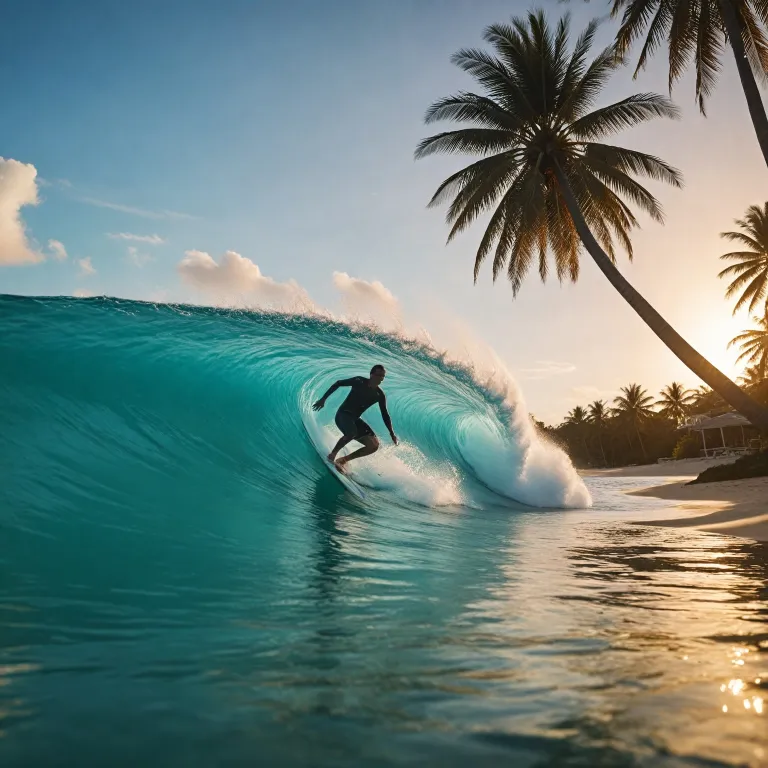
Luxury perspectives on surfing Maldives for discerning travelers
Surfing Maldives appeals to travelers who want both powerful waves and refined comfort. The archipelago’s atolls stretch across warm Indian Ocean swells, creating reef breaks that tempt surfers while nearby luxury resorts deliver privacy and tailored service. For guests used to premium experiences, the challenge is aligning the right surf breaks, the right resort, and the right season into one seamless surf trip.
The Maldives Tourism Board promotes surfing as a natural extension of the country’s high end hospitality, and its message resonates with surfers seeking more than basic surf camps. Average water temperature hovers around 28 °C, so long sessions on waves Maldives feel effortless, especially when a charter boat or resort dhoni waits nearby with refreshments. Many surf resorts now work closely with local surf operators to coordinate access to the best surf breaks in north Malé, south Malé, and the central atolls Maldives.
From March to October, the southwest monsoon season shapes the character of every surf in the Maldives. March to May often favors the southern atolls, while June to August brings the largest swells that create hollow sections and the occasional perfect left hander over sharp reef. Later in the season, the focus shifts toward north Malé Atoll and the central atolls, where consistent waves and lighter crowds reward patient surfers.
For premium travelers, understanding these seasonal nuances is essential to booking the best resort or surf charter. A family might prioritize gentle surf breaks and calm conditions, while expert surfers chase heavier, more hollow waves Maldives with strong but manageable reef currents. Matching expectations with the right atolls, the right surf spots, and the right level of luxury is the foundation of a successful surfing Maldives itinerary.
Choosing between surf resorts and surf charters in the Maldives
One of the deepest decisions for surfing Maldives is whether to stay in fixed surf resorts or book a surf charter. A luxury resort offers spacious villas, curated dining, and wellness facilities, while a surf charter or charter boat delivers mobility across multiple atolls and surf spots. Both options can be premium, but they suit different styles of surf trip and different expectations around comfort and flexibility.
Surf resorts in north Malé and south Malé often sit close to famous surf breaks, allowing surfers to reach waves within minutes by boat. These resorts usually coordinate with local surf operators, who know how to time tides, winds, and crowds to find the best waves Maldives on any given day. Guests can surf in the morning, then return to a spa, fine dining, or a quiet pool, which is ideal for couples or families mixing surfing with relaxation.
A surf charter, by contrast, turns the entire journey into a moving base camp for surfers. Surf charters roam across north Malé Atoll, the central atolls, and sometimes more remote atolls Maldives, chasing the perfect wave and adapting quickly when winds shift. This style suits surfers who want to sample many surf breaks, including lesser known left hander options and more challenging hollow reef sections.
Premium charter boat operators increasingly emphasize comfort, with air conditioned cabins, private chefs, and attentive crews. However, travelers should still compare the level of luxury against top resorts, especially if non surfers are part of the group. When evaluating surfing Maldives options, consider how many surf spots you want to visit, how important spa and wellness facilities are, and whether you prefer the social atmosphere of a boat or the privacy of a villa.
Understanding atolls, seasons and winds for the perfect wave
To plan surfing Maldives with confidence, travelers need a clear sense of how atolls, seasons, and winds interact. The Maldives is composed of multiple atolls, including north Malé, south Malé, and the central atolls, each with its own pattern of swells and best winds. During the southwest monsoon from March to October, long period swells wrap around the atolls Maldives and light up a variety of surf breaks.
March to May often favors the southern and central atolls, where surf charters can roam between reef passes and search for the perfect wave. June to August typically brings the largest swells, which can turn familiar surf spots into powerful, hollow walls that challenge experienced surfers. September to November usually sees more consistent conditions in north Malé Atoll and the central atolls, with slightly smaller but still reliable waves Maldives.
Wind direction is crucial when choosing a resort or surf charter, because the best winds keep the face of the wave clean. Many surf resorts position themselves near breaks that work in a range of wind directions, offering both left and right options for surfers. When conditions change, a quick boat ride can shift the focus from an exposed reef to a more sheltered left hander or right hander, preserving the quality of the surf.
Water temperatures remain around 28 °C, so most surfers wear only boardshorts or a light rash guard. Protective reef booties are recommended, especially on shallow reef where a misjudged takeoff on a hollow section can lead to cuts. By aligning travel dates with the preferred season, the right atolls, and the most favorable winds, travelers significantly increase their chances of scoring the best maldives surf conditions.
Matching surf breaks and resorts to your skill level and style
Not every surf in the Maldives suits every surfer, so matching breaks and resorts to ability is essential. Some waves Maldives peel gently over deeper reef, offering long rides that are ideal for intermediate surfers and confident beginners. Other surf breaks, especially in north Malé Atoll and parts of the central atolls, can become fast, hollow, and unforgiving when the swell rises.
Resorts that market themselves as surf resorts often categorize nearby surf spots by difficulty, highlighting which breaks are mellow and which are advanced. Local surf operators and guides play a key role here, steering less experienced surfers away from shallow, hollow sections and toward more forgiving peaks. For expert surfers, these same guides know when a left hander will start to barrel or when a particular reef will handle extra size.
Some luxury resorts, such as those near Senses Laamu in the central atolls, emphasize both high end hospitality and access to consistent surf. These properties may offer private boat transfers to multiple surf spots, allowing surfers to chase the perfect wave while non surfers enjoy wellness programs and fine dining. This balance is especially valuable for couples or families where only some guests surf.
When planning a surfing Maldives itinerary, consider whether you prefer playful, shoulder high waves or more powerful, hollow reef setups. Ask potential resorts or surf charters about the typical size range, tide sensitivity, and crowd levels at nearby surf breaks. By aligning your expectations with the reality of each atoll and each resort, you protect both your safety and your enjoyment throughout the surf trip.
Designing a luxury surf trip: logistics, comfort and digital inspiration
Designing a premium surfing Maldives holiday involves more than choosing a wave; it requires thoughtful logistics and attention to comfort. Long haul flights usually route through Malé, and from there guests transfer by speedboat or seaplane to their chosen resort or surf charter. Travel planners should factor in arrival times, potential overnight stays in Malé, and how quickly they want to reach the first surf breaks.
Luxury travelers often prioritize privacy, so overwater villas or secluded beach suites at high end resorts can be appealing. These resorts typically coordinate early boat transfers to nearby surf spots, allowing surfers to enjoy the best winds and glassy conditions at sunrise. After sessions on waves Maldives, guests return to spa treatments, curated menus, and quiet spaces that contrast with the energy of the reef.
Digital inspiration also shapes expectations, and many travelers research architectural design and service standards before booking. Resources such as architectural marvels of luxury and premium hotel booking websites in the Maldives help guests evaluate how well a resort’s online presence reflects its real world experience. This is particularly relevant when comparing surf resorts and surf charters, where imagery of surf spots, boats, and villas should match on site reality.
Practical details matter as well, including board baggage policies, travel insurance, and the availability of medical support near remote atolls Maldives. Many experienced surfers bring their own quiver to handle different waves, from softer peaks to more hollow left hander sections. By combining careful digital research with realistic logistics planning, travelers can create a surf trip that feels both adventurous and effortlessly comfortable.
Safety, etiquette and sustainability for surfing Maldives in comfort
Safety and etiquette are central to a refined surfing Maldives experience, especially on crowded reef breaks near popular resorts. Local surf operators emphasize that visitors should respect priority rules in the lineup and remain aware of currents, tides, and shallow sections. Protective gear such as reef booties and high SPF sunscreen helps reduce the risks associated with sharp coral and intense tropical sun.
“Bring your own surf equipment, as rental options may be limited.” This advice remains particularly relevant for surfers with specific board preferences, because not every resort or surf charter stocks a full range of sizes. Travelers should also “Be aware of local customs and dress modestly when not on the beach.” and “Stay hydrated and use sun protection due to the tropical climate.” to maintain good relations with local communities and protect their health.
From a sustainability perspective, many surf resorts and surf charters in the Maldives are adopting eco friendly practices. These include reduced plastic use on charter boat operations, reef safe sunscreen policies, and partnerships with marine conservation projects in the central atolls and north Malé Atoll. Guests can support these efforts by choosing operators that prioritize reef health and by treating every surf in the Maldives as a privilege rather than an entitlement.
Respecting local culture also extends to tipping practices, language, and behavior in inhabited islands near the atolls Maldives. When surfers show courtesy in and out of the water, they help maintain positive relationships that benefit future visitors. In this way, luxury, safety, and sustainability align, ensuring that waves Maldives remain a source of joy for surfers and a sustainable asset for the Maldivian people.
Key statistics for surfing and luxury travel in the Maldives
- Average water temperature around the main surf atolls is approximately 28 °C, allowing comfortable sessions without thick wetsuits.
- There are roughly 20 recognized surf breaks across the Maldives, with additional minor surf spots accessed by experienced local guides.
- Peak wave height at the most exposed reef breaks can reach about 8 feet during the strongest swells of the southwest monsoon season.
- The optimal surf season runs from March to October, with the largest and most powerful swells usually occurring between June and August.
- Many surf resorts and surf charters now collaborate with local operators to expand access to both well known and more remote surf breaks.
Essential questions about surfing Maldives for luxury guests
What is the best time to surf in the Maldives ?
The optimal surf season is from March to October, with the largest swells typically occurring between June and August. During this period, swells generated in the southern Indian Ocean wrap into the atolls Maldives and create consistent surf breaks. Luxury travelers should align their resort or surf charter bookings with this window to maximize the chances of scoring quality waves Maldives.
Are there surf spots suitable for beginners in the Maldives ?
Yes, there are several breaks with gentler waves suitable for beginners, especially during smaller swell periods. Many surf resorts in north Malé Atoll, south Malé, and the central atolls offer access to softer peaks that break over deeper reef. Local surf operators can guide less experienced surfers to these safer surf spots, ensuring that first sessions in the Maldives surf remain enjoyable and controlled.
Do I need to bring my own surfboard to the Maldives ?
While some resorts and surf camps offer rentals, it's advisable to bring your own board to ensure suitability and availability. Board selection is particularly important when alternating between playful surf and more hollow reef waves, so many surfers travel with at least two boards. Bringing personal equipment also guarantees familiar performance when chasing the perfect wave on a premium surf trip.
References
- Maldives Tourism Board – official destination and activity information
- Visit Maldives – surf break overviews and seasonal guidance
- Maldives Surfing Guide – technical details on swells, tides, and reef characteristics