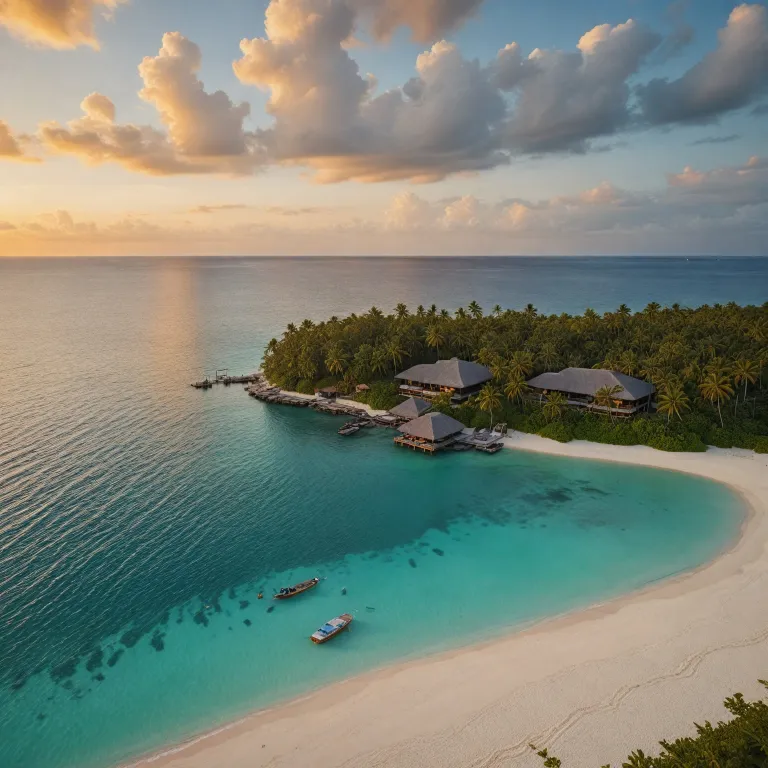
Why beach Maldives island escapes define barefoot luxury
On a beach Maldives island, luxury begins where the white sand meets crystal clear waters. Every island feels intimate yet expansive, offering space, privacy, and a direct connection to the Indian Ocean that many guests describe as life changing. The best resorts Maldives wide understand that true indulgence is measured in silence, soft sand, and time that seems to slow.
Across the Maldives, only about 5% of beaches worldwide share the same coralline sand, which is created naturally by parrotfish grazing on coral and excreting fine particles. These natural sand producers help shape the beautiful sand beaches that frame each inhabited island and private island, giving the beaches Maldives their iconic pale glow. When you walk barefoot along a bikini beach or a quiet sandbank, you are literally stepping on the work of countless parrotfish over millennia.
Many travellers arrive via Malé in the Kaafu Atoll, then transfer by speedboat or seaplane to their chosen island. From the air, you see how each atoll forms a ring of islands around shallow lagoons, with clear waters shifting from turquoise to deep cobalt. Selecting the best hotels in this setting means understanding how each resort uses its island, beaches, and surrounding waters to create a distinctive experience.
For some, the maldives best stays are on larger islands with long stretches of white sand and multiple beaches. Others prefer a compact private island where every villa is steps from the water and the sound of waves replaces city noise. Either way, a beach Maldives island holiday is defined by proximity to the ocean, and by how seamlessly your resort connects you to that marine life rich environment.
Choosing the right island, atoll, and resort style
When planning a beach Maldives island stay, your first strategic choice is the atoll. Malé Atoll offers short transfers and a wide range of resorts, while Ari Atoll and North Ari are renowned for excellent snorkeling diving and reliable marine life encounters. Baa Atoll, a UNESCO Biosphere Reserve, appeals to travellers who prioritise conservation and seasonal manta ray aggregations.
Each atoll contains many islands, and each island hosts either a local community or a single resort. A private island resort usually occupies the entire island, with villas spread along the beach and over the water, creating a sense of exclusivity that many guests consider the best. On a local inhabited island, you will find guesthouses, public sand beaches, and a bikini beach designated for visitors who wish to swim in standard swimwear.
Resorts Maldives wide differentiate themselves through layout, lagoon quality, and access to sand beaches and house reefs. Some islands have broad, sweeping beaches Maldives travellers love for long walks, while others offer smaller coves with exceptionally clear waters ideal for snorkeling. When you read resort descriptions, pay close attention to how they describe their beach, reef distance, and water depth, because these details shape your daily experience.
Names like Reethi Rah have become synonymous with ultra premium stays, where every villa has generous privacy and direct access to the water. Other best hotels focus on family friendly facilities, extensive water sports, or wellness programmes that use the calming rhythm of the atoll as a backdrop. Your ideal beach Maldives island will balance transfer time, budget, and the specific kind of sand, sea, and service you value most.
Understanding Maldivian beaches, sand, and natural phenomena
The beaches Maldives travellers admire owe their colour and texture to coralline sand, not quartz. Parrotfish play a central role as natural sand producers, turning coral into the fine white sand that defines the best beaches across many islands. Over time, waves and currents distribute this sand around each island, constantly reshaping the shoreline and replenishing sand beaches after storms.
Only a small percentage of beaches worldwide share this coralline composition, which makes every beach Maldives island stay part of a rare geological story. The average elevation of the Maldives is about 1.5 meters above sea level, so the relationship between sand, reef, and water is especially delicate. This low profile means that the line between your villa, the beach, and the clear waters is often just a few gentle steps.
On some islands, dinoflagellates create a bioluminescent effect sometimes called the Sea of Stars, especially when waters are calm and conditions align. When waves disturb these organisms, they emit light, turning the shoreline into a glowing ribbon that guests often describe as surreal. One of the most referenced places for this phenomenon is Vaadhoo Island, though it can appear around other islands as well.
Understanding these natural processes adds depth to any luxury resort experience, because you see how marine life literally builds the beaches beneath your feet. When you read about conservation initiatives at resorts Maldives travellers favour, you will often find programmes focused on coral restoration and reef monitoring. Supporting such efforts helps ensure that future guests can enjoy the same white sand, crystal clear waters, and beautiful beaches that define the Maldives best coastal landscapes.
Snorkeling, diving, and water sports from luxury resorts
A beach Maldives island holiday is incomplete without time spent in the water. The atoll structure creates sheltered lagoons with calm waters, while outer reef walls drop into deeper blue where pelagic marine life passes. Many of the best resorts Maldives wide are built around a strong house reef, allowing guests to snorkel directly from the beach.
Snorkeling diving opportunities vary between islands, so it is important to read detailed descriptions and guest reviews. In Ari Atoll and North Ari, channels between islands attract whale sharks and manta rays at certain times, drawing experienced divers and underwater photographers. Baa Atoll is celebrated for seasonal gatherings of mantas, while Malé Atoll offers convenient access to well known dive sites close to the capital.
From a luxury resort, you can usually join guided snorkeling excursions to nearby reefs, sandbanks, or an inhabited island with a vibrant local community. These trips often combine time on a white sand beach with gentle drift snorkeling over coral gardens in clear waters. For many guests, the highlight is seeing turtles, reef sharks, and colourful fish just a few fin kicks from the sand.
Water sports centres at the best hotels provide kayaks, stand up paddleboards, and sometimes transparent canoes that let you watch marine life beneath you. Motorised options such as jet skis and parasailing are available at some islands, though eco conscious travellers may prefer quieter activities that respect the lagoon. Whatever your preference, a beach Maldives island stay ensures that water, sand, and sky frame almost every experience you will remember.
Planning around local culture, bikini beaches, and eco ethics
When you stay on a beach Maldives island, understanding local culture helps you move respectfully between resort life and community spaces. On a private island resort, dress codes are relaxed on the beach and at the pool, but staff still appreciate modest attire in restaurants. On a local inhabited island, however, swimwear is restricted to a designated bikini beach, while other sand beaches require shoulders and knees to be covered.
This distinction allows tourism to coexist with local traditions, especially around Malé and other more densely populated islands. When you read about guesthouses on islands like Dhigurah Island, you will often see clear guidance on where you can swim freely. Dhigurah Island, in Ari Atoll, is also known for its long white sand spit and access to whale shark excursions, making it a compelling alternative to larger resorts.
Eco ethics are increasingly central to how the best resorts Maldives wide design their guest experience. Many properties limit single use plastics, invest in solar power, and run marine biology centres that monitor reef health and local marine life. Guests are encouraged to wear reef safe sunscreen, avoid stepping on coral while snorkeling, and support conservation by joining educational activities.
Simple habits, such as using refillable bottles and keeping to marked paths across sand beaches, help protect fragile vegetation and dune systems. Resorts on islands within Baa Atoll and other sensitive areas often brief guests on how tides and currents move sand around the island. By aligning your behaviour with these guidelines, you ensure that the beaches Maldives travellers love remain beautiful for future visitors and for the communities who call these islands home.
Matching luxury expectations with specific islands and resorts
For many travellers, the phrase beach Maldives island evokes images of overwater villas and endless horizons. In reality, the most satisfying stays come from matching your expectations with the character of a specific island and its resort. Some guests prioritise the best beaches with long, swimmable lagoons, while others focus on house reef quality or proximity to Malé for shorter transfers.
Ultra premium names such as Reethi Rah sit at the top of many wish lists, offering expansive villas, curated dining, and meticulous service. These resorts Maldives travellers admire often occupy larger islands, allowing for multiple beaches, quiet adults only zones, and extensive water sports facilities. If you are comparing the maldives best options, it can be helpful to read in depth resort profiles that explain layout, privacy levels, and how the island faces sunrise or sunset.
For an insider perspective on high end stays, you can consult an insider’s guide to the most expensive resort in Maldives and its ultra luxury rivals. Such resources break down what justifies premium nightly rates, from villa size and butler service to rare experiences like private sandbank dinners. They also highlight which islands offer the clearest waters, softest white sand, and most consistent marine life encounters.
Not every traveller needs the most expensive address to enjoy the beaches Maldives islands provide. Many best hotels in Ari Atoll, North Ari, and Baa Atoll deliver excellent snorkeling diving, comfortable villas, and attentive service at more accessible price points. By clarifying whether you value privacy, lagoon depth, or cultural excursions to an inhabited island, you will be better placed to choose the beach Maldives island that feels personally tailored to your journey.
Practical tips for booking and timing your beach stay
Securing the right beach Maldives island experience starts with timing and transparency. Demand for the best beaches and most photogenic islands peaks during dry, calmer months, so early booking is essential for premium villas. Flexible travellers who can shift dates slightly often secure better rates at top resorts Maldives wide.
When comparing offers, look beyond headline prices and read what is included in each package. Some best hotels bundle transfers from Malé, daily breakfast, and selected water sports, while others charge separately for every activity. If snorkeling diving is a priority, confirm whether guided excursions, equipment rental, and access to the house reef are part of your stay or additional costs.
It is also wise to check how your chosen island handles environmental fees and supports local communities on nearby inhabited island locations. Many properties in Ari Atoll, Baa Atoll, and Malé Atoll contribute to reef restoration, waste management, or education programmes, which strengthens the long term health of beaches Maldives wide. Asking about these initiatives signals that you value both luxury and responsibility.
Finally, consider your personal rhythm when selecting an island, because some guests prefer quiet evenings while others enjoy live music and water sports by day. A beach Maldives island with a shallow lagoon and gentle clear waters may suit families, whereas stronger swimmers might choose deeper drop offs for more dramatic marine life. With thoughtful planning and careful reading of resort details, your stay on the sand, under the palms, and beside crystal clear waters will feel as seamless as the horizon itself.
Key statistics about Maldivian beaches and islands
- Approximately 5% of the world’s beaches are composed of coralline sand similar to that found in the Maldives.
- The Maldives consists of around 1,192 individual islands spread across multiple atolls in the Indian Ocean.
- The average elevation of the Maldives is roughly 1.5 meters above sea level, making it one of the lowest lying nations on Earth.
Essential questions about Maldivian beaches and marine phenomena
Why are the Maldives' beaches white?
The white color of Maldivian beaches is due to the coralline sand produced by parrotfish consuming coral and excreting fine, white sand. This process happens continuously around reefs, where parrotfish feed and then release sand that waves gradually move toward the shore. Over time, this natural cycle creates the soft white sand beaches that define many islands across the atolls.
What causes the 'Sea of Stars' phenomenon in the Maldives?
The 'Sea of Stars' is caused by bioluminescent plankton, such as dinoflagellates, emitting light when disturbed by waves or movement. When conditions are right, these organisms accumulate near shorelines and glow with each ripple or footprint in the water. Guests sometimes see this effect on certain beaches, turning a night walk along the sand into a memorable, almost otherworldly experience.
Are all Maldivian beaches made of coralline sand?
Yes, the majority of Maldivian beaches are composed of coralline sand, which is rare and found in only about 5% of beaches worldwide. This composition gives the sand its distinctive pale colour and fine texture, different from the quartz based beaches common in many other destinations. Because these beaches depend on healthy coral reefs and parrotfish populations, conservation efforts directly support the long term beauty of the shoreline.