Liye Laajehun: the quiet masterpiece behind the resort gloss
On most luxury islands in the Maldives, lacquered vases sit under spotlights. They glow beside curated shells and coffee table books, framed as abstract symbols of heritage rather than living cultural heritage. Yet the real story of Maldivian lacquer craft on Thulhaadhoo begins far from the lobby, in a modest workshop where a single lathe hums and the scent of freshly cut wood hangs in the air.
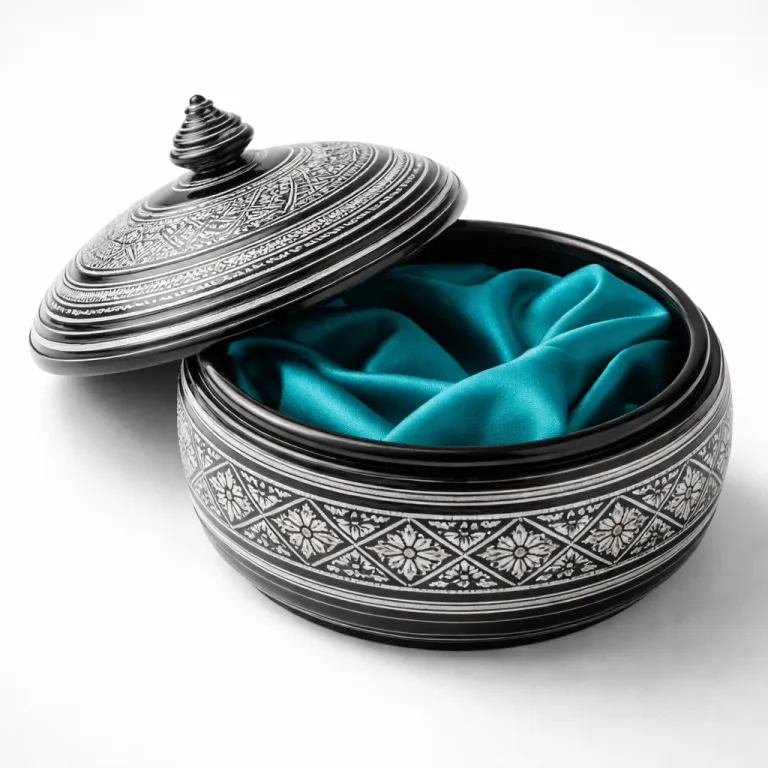
Liye Laajehun, the traditional Maldivian lacquerwork, is not a generic souvenir but a precise traditional craft that has shaped royal gifts, dowry chests and ceremonial objects for centuries. The technique is deceptively simple to describe yet demanding in practice; turned wood, usually coconut or breadfruit, is coated in successive layers of coloured lacquer, then hand incised so that each cut reveals a different shade beneath. What visitors see as a smooth, glossy surface is in fact a topography of decisions, where every line, curve and motif reflects the maker’s training, their island’s motifs and the wider heritage Maldives narrative. The Maldives Department of Heritage describes Liye Laajehun in its intangible cultural heritage inventory as an “intangible cultural heritage practice centred on Thulhaadhoo,” a reminder that these objects sit within a documented national tradition rather than a vague resort aesthetic.
On Thulhaadhoo island in Baa Atoll, this lacquer work is still produced by a small community of about ten active artisans who carry the responsibility of cultural heritage on their shoulders. Local council records and recent Department of Heritage surveys both point to a handful of family workshops, many of them multi-generational. In a 2023 interview for a council newsletter, one senior maker estimated that “fewer than fifteen people now work full time on lacquer in the island,” a figure that aligns with those surveys. Here, Maldivian lacquerware is not a marketing phrase but a daily practice, shaped by prayer times, family rhythms and the realities of a working reef economy. When you hold a finished piece, you are holding the compressed labour of days, sometimes weeks, and a lineage that runs parallel to other traditional Maldivian crafts such as mat weaving, dhoni building and calligraphy.
From reef to lathe: how Thulhaadhoo’s artisans actually work
Step into a Thulhaadhoo workshop and the first surprise is scale; the room is small, the tools minimal, the focus absolute. A single lathe anchors the space, flanked by chisels, hand mixed lacquer and blocks of local wood waiting to become bowls, boxes or slender vases. This is where the island’s lacquer tradition moves from abstract heritage to something intensely physical, as the artisan leans into the turning wood and lets muscle memory guide each cut.
The process begins with selecting the right wood, often coconut trunk or breadfruit from local islands, chosen for density and grain that will hold the lacquer. Layers of coloured lacquer are applied in careful succession, each layer drying before the next, building a depth that will later echo the gradients of the nearby reef and the shifting blues of the bay. Only once the surface is perfectly smooth does the artisan begin the incising, cutting through the lacquer work to reveal contrasting colours in patterns that reference traditional Maldivian geometry, marine life and sometimes the curve of a dhoni prow. In some workshops, such as long-running family studios near the harbour, older masters still sketch motifs freehand before cutting, while younger makers increasingly experiment with contemporary patterns requested by resorts.
In this context, the quote from local guidance is literal and grounded: “What is Liye Laajehun? Traditional Maldivian lacquerwork involving woodturning and lacquer application. Where can I buy authentic Maldivian lacquerware? Thulhaadhoo workshops and select Malé craft shops. How is Maldivian lacquerware made? Wood is shaped, lacquered, and hand-etched with designs.” These lines summarise information published by the Department of Heritage and echoed in council visitor leaflets. As you watch, you understand why Department of Heritage officials and cultural organizations treat Thulhaadhoo artisans as a living archive rather than a tourist show. One maker explained during a recent field visit that a medium-sized lidded box can take “five to seven days of stop–start work, depending on drying time and how fine the pattern is.” The rhythm of the lathe sits in counterpoint to the distant sound of waves on the reef, and the work feels closer to a slow ceremony than to production.
Choosing the right resort base for a Thulhaadhoo craft day
For a solo traveller booking a premium stay in Baa Atoll, the difference between a quick shop stop and a real Thulhaadhoo lacquer experience lies in how your resort handles excursions. Some properties treat Thulhaadhoo island as a retail detour, dropping visitors at a single storefront for thirty minutes before returning to the overwater bar. Others build a half day that respects the community, the prayer times and the slow pace of traditional craft, allowing you to sit with artisans, ask questions and see the full arc from raw wood to finished piece.
When you compare resorts in Baa Atoll, ask explicitly whether the Thulhaadhoo visit includes workshop time, translation support and a capped group size. A thoughtful property will coordinate with the local community so that your arrival does not clash with Friday prayer times or school hours, and will brief you on dress, photography and tipping etiquette. The best itineraries pair the cultural visit with a marine segment, perhaps a late afternoon snorkel on a nearby reef or a sunset cruise across the bay, so that your day holds both the tactile world of lacquer and the fluid world of manta and fish. Some resorts publish sample day plans that show a morning boat to Thulhaadhoo, two to three hours in the village and workshops, then a return in time for an evening marine biology talk.
Because Baa Atoll is an atoll UNESCO Biosphere Reserve, many high end resorts here already work closely with marine biologists and conservation NGOs. That same respect for the UNESCO biosphere framework should extend to cultural heritage, ensuring that Thulhaadhoo offers are structured as fair exchanges rather than extractive shopping runs. When you see a resort marketing “heritage Maldives” experiences, read the fine print; the properties that matter will name Thulhaadhoo, explain Liye Laajehun and be transparent about how much of your excursion fee reaches the artisans. A few have begun publishing revenue-sharing percentages in their sustainability reports and third-party audits, a useful benchmark when you are choosing where to stay.
Ethical buying, fragile packing and the lobby markup problem
Once you have watched Thulhaadhoo lacquerwork unfold at the lathe, the price tags in resort shops look different. A small lidded box that sells on Thulhaadhoo island for a modest sum can reappear in a glass case on a private island with a four or five times markup. The economics are predictable, but if you care about where your money lands, buying directly from the maker on the island is the most effective way to support the community.
Ask the artisan how long the piece took, whether the wood is local and which colours sit beneath the surface, because each answer deepens your relationship with the object. You can also request small customisations, from a particular motif referencing manta rays to a pattern echoing the curve of Hanifaru Bay, something no lobby display case can offer. Typical prices at the time of writing, based on interviews with Thulhaadhoo shop owners and recent council tourism briefings, range from roughly USD 20–40 for small bangles and pen holders to USD 80–150 for larger boxes and vases, with museum-quality pieces costing more. When you pay, remember that cash in Maldivian rufiyaa is often easier for the workshop than card payments, and that a respectful conversation about price is welcome, but aggressive bargaining is not.
Transport is the final, unglamorous step that many visitors underestimate, especially after a domestic flight or public ferry back to Malé and then a long haul sector home. Lacquer is durable but not indestructible; sudden pressure or sharp impacts can crack the surface, particularly on fine rims and lids. Wrap each piece in soft clothing, then in a rigid box if possible, and keep your most precious Liye Laajehun in cabin baggage rather than checked luggage, where shifting suitcases and rough handling can undo centuries of craft in a single jolt. If you are transiting through multiple airports, consider carrying a small foldable tote specifically for fragile Maldivian handicrafts so they never need to be checked in.
Weaving a craft route through Baa Atoll and beyond
For travellers who already plan a stay in Baa Atoll for manta season at Hanifaru Bay, adding a Thulhaadhoo lacquer visit to the itinerary turns a marine pilgrimage into a fuller cultural journey. You might spend one morning with a resort marine biologist tracking manta rays along the reef, then the next day on Thulhaadhoo island tracing lacquer patterns that echo the same fluid arcs. The atoll UNESCO status is not only about marine life; it is also a reminder that human craft and natural systems are intertwined.
From Thulhaadhoo, a wider craft route across the Maldives begins to suggest itself, especially for solo explorers who prefer purpose over pool time. In Raa Atoll, the working boatyards of Alifushi show the Maldivian dhoni as another pinnacle of traditional Maldivian design, its long prow shaped by hand and guided by generations of tacit knowledge. Further south, mat weaving on islands known for kunaa, jewellery workshops on Hulhumeedhoo and small studios in Malé extend the thread of heritage, each community adding its own texture to the national story. The Department of Heritage and local councils often list active craftspeople and training programmes in public reports and social media updates, so checking their latest information before you travel can help you build a route that feels current rather than nostalgic.
Instead of treating lacquer as a stand-alone attraction, you can also pair a Thulhaadhoo workshop visit with other meaningful cultural experiences, such as an evening of bodu beru drumming or a talk with a local historian about heritage Maldives. In each case, the aim is the same; to move beyond passive consumption and into a relationship with place that feels both authentic and sustainable.
Planning the logistics: ferries, flights and respectful timing
Turning the idea of a Thulhaadhoo lacquer day into a real day trip requires a little logistical discipline, especially if your luxury base sits on a private island. Most travellers will reach Baa Atoll by domestic flight from Malé to Dharavandhoo, followed by a speedboat hop to their resort, while a smaller number still use a public ferry to move between local islands. Your concierge should map the options clearly, but it helps to understand the skeleton of the transport network yourself.
If you are staying on a local island guesthouse rather than a resort, you may be able to reach Thulhaadhoo by scheduled public ferry or a chartered dhoni, which adds another layer of traditional Maldivian texture to the day. Build in slack time for delays, especially during rough seas, and remember that the community’s schedule is shaped by prayer times, school hours and fishing runs, not by your spa appointment. A respectful visit means arriving when artisans are ready to host, not when your Instagram feed needs a new frame. As a rule of thumb, mid-morning and mid-afternoon slots outside Friday prayers tend to be the most practical windows for workshop visits.
Before you travel, read up on the work of the national Department of Heritage and the way it frames Liye Laajehun within the broader heritage Maldives agenda. This context helps you see Thulhaadhoo offers not as isolated curiosities but as part of a coordinated effort to keep traditional craft economically viable in a marine economy dominated by high end tourism. UNESCO’s biosphere reserve documentation for Baa Atoll also highlights the link between cultural practices and reef conservation, and the Baa Atoll Biosphere Reserve Office regularly publishes summaries of this work. When you finally stand in that small workshop, with the biosphere reserve waters of Baa Atoll just beyond the jetty, you will understand why Liye Laajehun belongs in your suitcase, carrying the weight of real connection, rather than in a lobby display case, reduced to background décor.
FAQ
What is Liye Laajehun in the Maldives ?
Liye Laajehun is the name for traditional Maldivian lacquerwork, centred on Thulhaadhoo island in Baa Atoll. Artisans turn local wood on a lathe, apply multiple layers of coloured lacquer and then hand incise designs to reveal contrasting colours. The result is a durable, high gloss surface used for boxes, bowls and ceremonial objects that form a key part of Maldivian cultural heritage. The Maldives Department of Heritage lists Liye Laajehun among the country’s important traditional crafts, and many museum collections in Malé include historic examples.
Where should I buy authentic lacquer pieces during my trip ?
The most authentic place to buy Liye Laajehun is directly from workshops on Thulhaadhoo, where a small community of artisans still practice the craft daily. Some reputable craft shops in Malé also stock genuine pieces, usually sourced from the same makers at a fair margin. Resort gift shops often resell similar items at significantly higher prices, so buying at source supports the artisans more directly. If in doubt, ask where the piece was made, whether the maker is from Thulhaadhoo and how long the workshop has been operating.
How fragile is Maldivian lacquerware when flying home ?
Well made lacquerware from Thulhaadhoo is robust in normal use but vulnerable to sharp impacts and crushing during travel. For flights, wrap each piece in soft clothing or bubble wrap, place it inside a rigid box if possible and carry your most valuable items in cabin baggage. Avoid stacking heavy objects on top of lacquer pieces in checked luggage, as pressure can crack the surface. If you are changing planes, keep your lacquer in a bag you can easily lift into overhead lockers yourself.
Can I visit Thulhaadhoo from any resort in Baa Atoll ?
Most resorts in Baa Atoll can arrange a private or small group excursion to Thulhaadhoo, though the quality of the experience varies. When booking, ask whether the visit includes time inside real workshops, translation support and clear information about how much of your fee goes to the local community. If you are staying on a local island, you may also have the option of using a public ferry or chartered dhoni to reach Thulhaadhoo. Checking current ferry timetables through your guesthouse or the island council before you arrive will help you avoid last-minute surprises.
How does a Thulhaadhoo visit fit with manta trips to Hanifaru Bay ?
Baa Atoll is both a UNESCO Biosphere Reserve for marine life and the cultural home of Liye Laajehun, so combining the two makes sense. Many travellers schedule a morning or afternoon snorkel with manta rays at Hanifaru Bay, then spend another half day on Thulhaadhoo learning about lacquerwork. This pairing gives your stay a balance between natural spectacle and human craft, deepening your understanding of the atoll beyond its reefs. Resorts that take sustainability seriously increasingly present these experiences together, framing them as two sides of the same biosphere story.