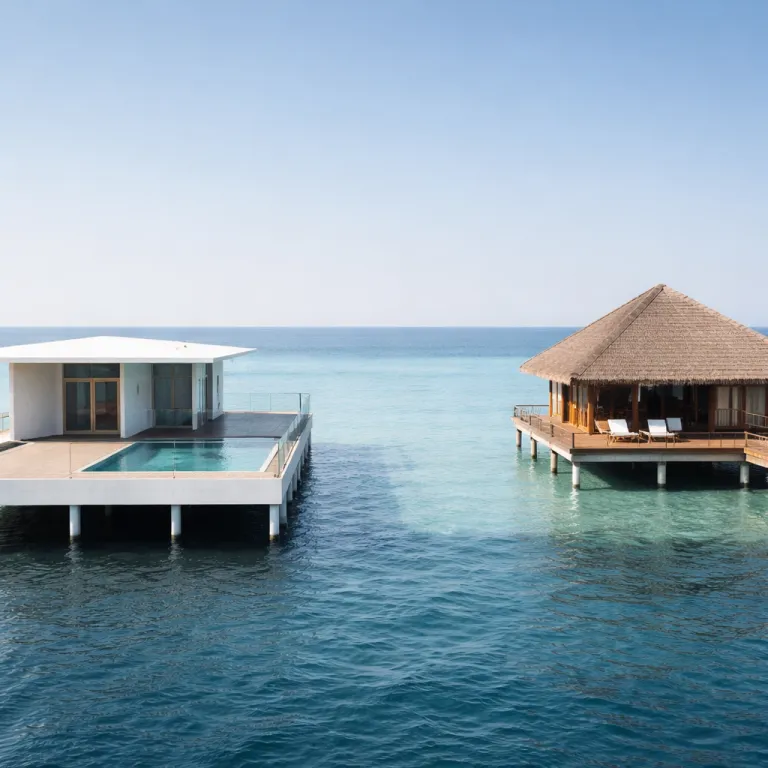
Why maldives lifestyle vs traditional luxury hotel finally matters
On a Maldivian private island, the phrase “maldives lifestyle vs traditional luxury hotel” is no longer just marketing language. Traditional luxury in the Maldives optimises for service consistency, material quality and a near invisible équipe that keeps every room, villa and spa ritual running like clockwork. Lifestyle-oriented luxury, by contrast, optimises for atmosphere, design language and the social reality of where you are, from the music by the pool to who is at the next overwater bar stool.
Think of it this way: classic five-star hospitality is about how perfectly your beach villa is made, while lifestyle luxury is about how the resort makes you feel part of a curated island scene. Neither camp is objectively the best, but each suits a different kind of trip and a different kind of traveller extending a business stay into leisure. The maldives lifestyle vs traditional luxury hotel question becomes sharper when you add seaplane transfers, overwater villas, fragile house reef systems and the need to check real time availability for specific room types and private pools.
On the traditional side, Aman’s planned resort in Baa Atoll represents the purest expression of Maldivian understatement, with around 35 villas on a protected ocean lagoon inside a UNESCO Biosphere Reserve. Bvlgari’s Ranfushi project in Raa Atoll leans into jewellery house glamour on a 20 hectare private island, promising marble, bespoke joinery and a high staff to guest ratio that defines maldives luxury at the top end. In the lifestyle corner, Mondrian Maldives brings a design led, music forward energy, while Six & Six Private Islands talks about presence, authenticity and meaningful connection rather than thread count, yet still plays in the best luxury price bracket.
When you browse hotels in the Maldives now, you are not just choosing a resort; you are choosing a philosophy of time. Do you want the quiet choreography of a butler who anticipates your preferred ocean beach jogging route, or the low key buzz of a DJ set by the water villa jetty at sunset? The broader lifestyle vs traditional luxury divide is about that choice, and it shapes everything from the design of the villas to how the kids club is programmed on a rainy afternoon.
Five operational dividers that define your stay
The cleanest way to understand maldives lifestyle vs traditional luxury hotel differences is to look at operations, not adjectives. First, staff to guest ratios: traditional luxury in the Maldives still pushes towards three team members per guest, while lifestyle resorts are comfortable closer to one and a half, relying on smart design and technology to keep service fluid. That means an Aman or a Cheval Blanc style property will feel more cocooned, with someone always ready to check on your next spa treatment or arrange a private ocean excursion before you even ask.
Second comes food and beverage identity, where the split is obvious the moment you walk into the main dining room. Traditional luxury refuses pop music at dinner, favouring soft live jazz or silence, while lifestyle properties like Mondrian Maldives will happily programme a DJ by the pool and build a social calendar around brunches, mixology classes and design focused pop ups. Third is villa hardware: traditional houses like Cheval Blanc Randheli or the future Aman Maldives pay for marble, custom carpentry and vast beach villa footprints, while lifestyle brands invest in narrative design, colour, art and lighting that make even a smaller water villa feel like part of a story.
Fourth is the service register, which you will feel from the first room night. Traditional luxury is formal, with structured butler service, precise turndown rituals and a clear hierarchy that keeps the backstage invisible, whereas lifestyle luxury leans peer to peer, with hosts who chat about the house reef conditions or the best ocean beach for a morning swim as if you were friends. Fifth is the age skew: traditional properties in the Maldives still draw a core audience aged forty five and above, while lifestyle resorts tend to attract thirty to fifty year old guests, often mixing remote work with leisure and asking detailed questions about Wi Fi, spa menus and how quiet the villas are during evening events.
These operational dividers play out differently across the atolls. On Fari Islands, for example, you already see a cluster of properties where maldives lifestyle vs traditional luxury hotel philosophies sit almost side by side, from design forward concepts to more classic ocean facing villas with private pools and white sand paths. In contrast, on more remote islands like Laamu, a property such as Six Senses Laamu — often shortened to Senses Laamu in traveller conversations — blends lifestyle energy with deep sustainability, using its house reef and marine biology programme as the real luxury hardware.
Even within one brand, the lines blur. Cheval Blanc in the Maldives is a textbook traditional luxury resort in terms of service and build quality, yet it borrows a lifestyle veneer through art collaborations and a more relaxed ocean beach dress code. Velaa Private Island and Rangali Island, meanwhile, show how traditional villas and overwater suites can still feel contemporary when the design is quietly updated and the spa, pool and dining concepts evolve faster than the architecture.
Stress testing lifestyle and traditional luxury in Maldivian reality
The maldives lifestyle vs traditional luxury hotel debate only becomes meaningful when you stress test both models against Maldivian realities. Start with the seaplane transfer: traditional luxury tends to insulate you from the chaos, with private lounges, meticulous baggage handling and a butler waiting on the island jetty, while lifestyle resorts may accept a little more friction in exchange for a livelier arrival scene. If you are landing after back to back meetings, that difference in service choreography can define your first impression of maldives luxury more than the thread count on the bed.
Next comes the overwater constraint, because not every island can support endless rows of water villas without damaging the house reef. Traditional luxury brands with strong conservation teams, such as Aman or the more established names like Cheval Blanc Randheli, will often cap the number of overwater villas and push guests towards beach villas with private pools set back from the ocean beach to protect coral. Lifestyle brands sometimes lean harder into the overwater fantasy, but the smartest of them now use design and marine science to keep both the water and the white sands healthy, proving that maldives lifestyle vs traditional luxury hotel choices can align with sustainability.
Marine biology programming is the third stress test. A traditional resort might offer structured snorkel tours, detailed reef briefings and a resident marine biologist who treats the lagoon like a living library, while lifestyle properties may frame the same content as an ocean experience with a social twist, pairing reef snorkels with sunset cocktails or underwater photography workshops. Either way, the best luxury experiences in the Maldives now put the house reef at the centre, because guests have become more reef literate and will check not just room availability but also coral health before committing to a room night.
Six & Six Private Islands is where the categories start to bend. The brand speaks the language of lifestyle — presence, authenticity, meaningful connection — yet its planned villas run to 1 500 square metres and beyond, which is firmly traditional luxury territory in terms of scale, privacy and service expectations. That tension makes Six & Six a fascinating case study for maldives lifestyle vs traditional luxury hotel thinking, especially for business leisure travellers who want the emotional looseness of a lifestyle stay with the operational rigour of a classic resort.
Aman, by contrast, is traditional luxury full stop, but with an emotional intelligence that softens the formality and keeps the service from feeling stiff. Mondrian Maldives stands clearly on the lifestyle side, with design led public spaces, music programming and a social pool deck that turns the island into a low key stage. Between them sit crossover cases like Soneva, which feels lifestyle in spirit but traditional in service hierarchy, and Cheval Blanc, which is traditional at heart yet wears a lifestyle jacket when it suits the guest mix.
For travellers comparing hotels in the Maldives, this stress test lens is more useful than any marketing label. It helps you read between the lines when a resort promises a private island feel, or when a property on Fari Islands markets itself as both a design hub and a sanctuary. It also explains why some guests leave Velaa Private Island or Rangali Island feeling deeply rested, while others prefer the energy of a place like Mondrian, where the pool, spa and dining venues are designed as social connectors rather than quiet retreats.
Choosing your side as a business leisure traveller
For an executive turning a Malé meeting into a long weekend, the maldives lifestyle vs traditional luxury hotel choice is not theoretical. It decides whether your villa becomes a quiet satellite office with a reliable desk, or a backdrop to a more social, design driven stay where the pool bar is as important as the spa. The honest answer is that neither lifestyle nor traditional luxury is automatically better for business leisure; it depends on whether you are travelling solo, with a partner or with family in tow.
If you are travelling alone and need to work, traditional luxury often wins. A resort in the Aman or Cheval Blanc mould will give you a beach villa or water villa with strong sound insulation, disciplined housekeeping schedules and service that respects your calendar, with breakfast on the ocean beach terrace arriving exactly when requested. Lifestyle properties can still work for solo travellers, but you need to check how close your villa is to the main pool, how late the dining venues run music and whether the kids club or family pool sits under your room balcony.
For couples, lifestyle luxury can be the better fit, especially on islands like Fari where you can walk between different resorts and share dining scenes. Mondrian Maldives, or a Six & Six style private island, will give you design rich villas, social public spaces and a sense that the resort is as much about people watching as it is about white sand and water clarity. Traditional properties such as Velaa Private Island or Rangali Island, on the other hand, deliver a more inward facing experience, where the best luxury is the feeling that the entire ocean horizon belongs to just the two of you.
Families sit somewhere in between. A traditional resort with a strong kids club, generous beach villas and calm ocean beach entries will make life easier for parents who still need to check emails between snorkels, while lifestyle properties may offer more flexible dining and playful design that keeps teenagers engaged. When you browse hotels in the Maldives on a platform like mymaldivesstay.com, look beyond the headline photos and read how each resort talks about service, design and daily rhythm; that language usually reveals whether you are in lifestyle or traditional territory.
To make the choice practical, ask yourself five questions. One, do you want staff to feel like discreet guardians or like peers you might have a drink with after a night snorkel on the house reef? Two, is your ideal evening a quiet ocean facing dinner or a DJ set by the pool with a design conscious crowd? Three, would you trade a larger villa footprint and ultra private pools for a more social island layout with shared spaces that feel like a members club?
Four, are you more excited by marble bathrooms and white sands framed by classic architecture, or by bold interiors, art and lighting that turn your room night into a narrative? Five, when you think of maldives lifestyle vs traditional luxury hotel options, do you picture Aman’s meditative calm or Mondrian’s curated energy as your default? Your answers will not just tell you which side you are on; they will tell you which specific island, resort and villa type will turn a simple extension of a business trip into a stay that actually matches how you live.
As you refine that choice, remember the industry’s own definitions. “Traditional luxury emphasizes opulence, exclusivity, and classic service standards.” “Lifestyle luxury focuses on personalized experiences, contemporary design, and cultural integration.” “Resorts like Six & Six and Aman integrate both luxury concepts.” Those three statements, drawn from current expert analysis of Maldivian hospitality, are the clearest working definition of maldives lifestyle vs traditional luxury hotel thinking you will find right now.
When you are ready to move from theory to booking, use those definitions as filters rather than slogans. On a curated platform such as mymaldivesstay.com, you can compare properties like Shoreline Grand Thoddoo, which offers refined island comfort, against more overtly maldives luxury addresses, and see how each balances service, design and sense of place. The goal is not to chase the single best resort in the Maldives, but to match your own rhythm to the right island, whether that means a quiet spa focused retreat or a design led, socially charged stay where the pool deck is your second office.
Key figures shaping luxury hospitality in the Maldives
- The Maldives currently hosts around 150 luxury resorts across its atolls, according to the Maldives Ministry of Tourism, which means travellers face a genuinely complex maldives lifestyle vs traditional luxury hotel choice rather than a simple short list.1
- Annual tourist arrivals to the Maldives stand at approximately 1 500 000 people, based on recent Maldives Ministry of Tourism statistical releases, and a growing share of these guests are business leisure travellers extending work trips into resort stays.1
- The average occupancy rate of luxury resorts in the Maldives is close to 80 percent, which keeps pressure on travellers to check availability early, especially for specific villa categories such as beach villas with private pools or limited overwater suites.2
- Industry reports now identify lifestyle luxury as the fastest growing segment of high end hospitality globally, and the Maldives is part of that trend, with brands like Mondrian and Six & Six expanding alongside traditional anchors such as Aman and Bvlgari.3
- With more than 20 private island style developments either operating or in the pipeline, including projects on Fari Islands and in Baa and Raa Atolls, the spectrum from classic maldives luxury to design led lifestyle concepts will only widen over the coming seasons.2
1 Figures referenced from recent statistical releases by the Maldives Ministry of Tourism. 2 Occupancy and development pipeline estimates compiled from current regional hospitality performance summaries. 3 Segment growth observations drawn from contemporary global luxury travel and hotel industry analyses.