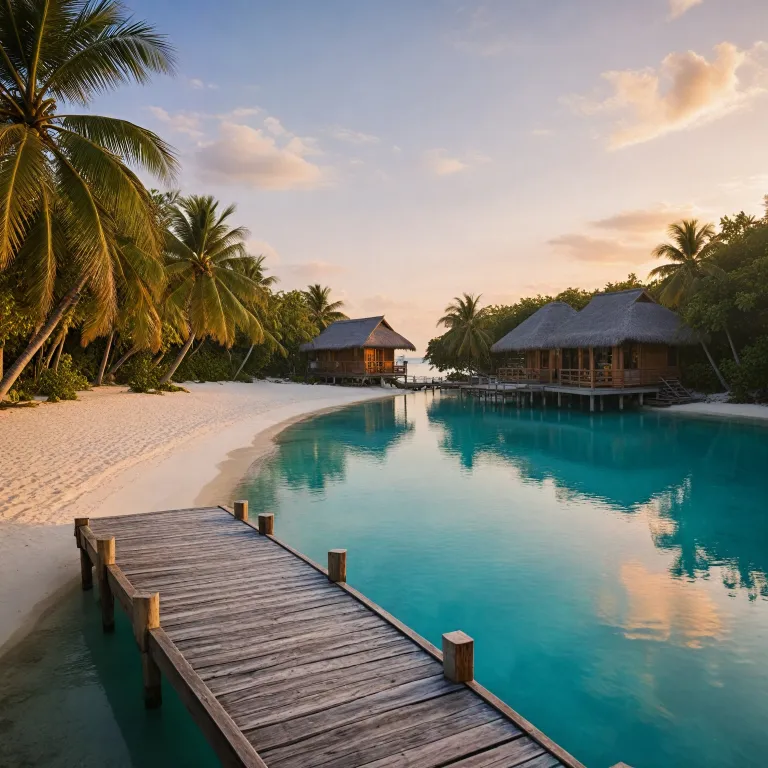
Maldives islands beaches and the art of choosing your location
The Maldives islands beaches form a necklace of coral atolls scattered across the Indian Ocean. For travelers seeking a luxury or premium resort, the choice of island shapes every moment, because distance, lagoon depth, and house reef access all influence daily life. Selecting the best island for your stay means balancing privacy, transfer time, and the character of nearby local islands.
Many guests focus first on the beach, yet the surrounding waters and coral reefs are just as decisive. Some islands in Malé Atoll offer a short minute speedboat transfer, while others in remote atoll chains require a seaplane but reward you with quieter sand beaches and clearer waters. When you compare resorts, look at aerial maps to understand the curve of each beach, the position of villas, and how the white sand meets the lagoon.
On the ground, the feel of the sand underfoot can vary subtly between islands Maldives wide. Coralline sand beaches in the Maldives are famously soft and pale, shaped over millennia by marine life and gentle waters. The sand is composed of coralline material, primarily produced by parrotfish consuming coral and excreting fine, white sand.
These natural sand producers help maintain the beautiful beaches Maldives travelers admire today. When you walk along a quiet beach at low tide, you are literally stepping on the work of countless parrotfish and other reef species. Understanding this natural process adds depth to any visit and reinforces why responsible travel choices matter.
Understanding seasons, time to visit, and transfer logistics
Planning the right time to visit the Maldives islands beaches is essential for a seamless luxury stay. Weather patterns influence water clarity, wave height, and the comfort of speedboat ride transfers between Malé Atoll and outer islands. While the Maldives is a year round destination, subtle shifts in wind and rain can affect how you experience each beach and lagoon.
During calmer months, clear waters often enhance snorkeling over coral reefs and the visibility of marine life. At certain periods, bioluminescent plankton can create the celebrated Sea of Stars effect on specific beaches, turning the shoreline into a luminous spectacle at night. Seasonal changes also shape when manta rays and whale sharks are more frequently seen near particular atoll channels.
Transfer logistics are another crucial factor when you choose a resort on islands Maldives travelers love. Resorts close to Malé Atoll usually rely on a short minute speedboat journey, which is convenient after a long international flight. More remote resorts may require a domestic flight followed by a speedboat ride, extending travel time but often leading to quieter beaches and more natural surroundings.
When evaluating the best beaches and resorts, consider how much time you want to spend in transit versus on the sand. Some guests prefer a quick arrival to maximize relaxation on their chosen island beach. Others value the sense of remoteness that comes with longer transfers across the Indian Ocean and less developed local islands.
Beach quality, house reefs, and marine life around luxury resorts
Not all Maldives islands beaches offer the same combination of lagoon depth, reef proximity, and sand quality. For many luxury travelers, the best beaches balance shallow, clear waters for swimming with easy access to a vibrant house reef. When a resort is encircled by healthy coral reefs, guests can step from white sand directly into a world of marine life.
House reefs vary widely between resorts, even within the same atoll. Some islands Maldives wide have drop offs just a short swim from the beach, where manta rays occasionally glide past and schools of reef fish shimmer in the blue. Other resorts feature broader lagoons with sand beaches ideal for families, where calm waters are perfect for gentle snorkeling and relaxed floating.
Marine life is a central reason many guests choose the Maldives over other Indian Ocean destinations. Encounters with whale sharks, turtles, and eagle rays are possible in certain regions, especially near deeper channels. Dedicated excursions often take guests beyond the local island environment to outer reefs where currents bring nutrient rich waters and larger pelagic species.
When comparing resorts, ask detailed questions about the house reef, including entry points, typical visibility, and the presence of coral restoration projects. Properties that invest in reef conservation usually offer more meaningful snorkeling experiences and healthier beaches Maldives travelers can enjoy long term. This attention to natural detail often distinguishes a truly premium resort from a merely scenic island stay.
Water sports, lagoon experiences, and the character of local islands
For guests who enjoy active days, the Maldives islands beaches provide a refined playground for water sports. Calm lagoons with clear waters are ideal for stand up paddleboarding, kayaking, and gentle sailing around the curve of each island. Resorts with wider beaches and protected waters often host a full range of non motorized and motorized activities.
Beyond the resort, visiting a local island offers insight into daily life in the Maldives. Organized excursions allow guests to walk along modest sand beaches, visit community mosques, and see how residents interact with the sea. These visits highlight the contrast between private resort islands and inhabited local islands, while still respecting cultural norms and dress codes.
Many premium resorts curate itineraries that combine relaxation on the best beaches with guided cultural experiences. A short speedboat ride can transport you from a secluded resort to a nearby local island market, where fishermen bring in their catch from surrounding waters. Such experiences deepen your understanding of how the Indian Ocean shapes livelihoods, traditions, and food culture across the atoll chain.
When planning water sports and excursions, consider how much structure you prefer in your travel days. Some guests favor spontaneous swims from the beach and leisurely paddles over the house reef. Others appreciate scheduled outings to snorkel with manta rays, explore coral reefs, or photograph the curve of islands Maldives wide from the deck of a traditional dhoni.
Choosing between private islands, resort styles, and premium services
One of the most nuanced decisions for travelers is choosing between different types of private islands and resort concepts. Some Maldives islands beaches host intimate properties with a strong focus on wellness, while others feature larger resorts with extensive dining and water sports facilities. The best choice depends on how you balance privacy, activity, and service expectations.
On a fully private island resort, every element of the experience is curated for seclusion and calm. Villas often open directly onto white sand or over turquoise waters, with only a short walk to the nearest beach access. These resorts typically emphasize personalized service, discreet staff presence, and tailored experiences such as private sandbank dinners or guided snorkeling on the house reef.
Larger resorts on bigger islands Maldives wide may offer more varied facilities, including multiple pools, kids clubs, and several restaurants. They can still provide beautiful beaches Maldives travelers appreciate, but with a livelier atmosphere and more structured activities. Families and groups often value this diversity, especially when planning longer stays with different interests to satisfy.
When comparing premium properties, look closely at how each resort describes its beaches, coral reefs, and proximity to Malé Atoll. Some highlight quick minute speedboat transfers, while others emphasize remoteness and untouched sand beaches. For deeper planning insights on seasonal light and lagoon conditions, resources such as why the Maldives in December is the best time for a luminous island escape can help refine your ideal time to visit.
Environmental realities, bioluminescent beaches, and responsible luxury
The Maldives islands beaches are not only beautiful; they are also fragile environments shaped by complex natural processes. Coralline sand, produced in part by parrotfish and other reef dwellers, forms the white sand that defines many best beaches. Rising sea levels and warming waters, however, place pressure on both sand beaches and coral reefs across multiple atoll systems.
Bioluminescent plankton occasionally transform certain beaches into glowing shorelines, especially on islands with calm, clear waters. The 'Sea of Stars' is caused by bioluminescent plankton that emit light when disturbed, creating a glowing effect in the water at night. Resorts sometimes organize gentle night walks along the beach when conditions are favorable, allowing guests to witness this natural spectacle without disturbing marine life.
Responsible luxury travel in the Maldives means choosing resorts that actively protect their surrounding waters and local communities. Many premium properties now use reef safe sunscreen recommendations, support coral restoration, and partner with local island councils on waste management. These efforts help safeguard marine life, from tiny reef fish to manta rays and whale sharks that draw travelers from around the world.
When evaluating a resort, ask about its environmental certifications, marine biologist programs, and partnerships with local islands. Properties that invest in conservation usually offer richer experiences on and off the beach, including educational snorkeling tours over coral reefs. This approach ensures that the Maldives islands beaches remain a place where natural beauty and refined hospitality coexist for future travelers.
Practical booking strategies for premium stays on Maldives islands beaches
Securing the right luxury or premium resort on Maldives islands beaches requires more than simply choosing a famous name. Start by clarifying your priorities around beach type, house reef quality, and proximity to Malé Atoll. Then match these preferences with your ideal time to visit, considering both weather patterns and your flexibility on travel dates.
For travelers who value quick access, focusing on resorts reachable by a short minute speedboat transfer can be wise. This approach reduces overall travel time and allows you to step onto white sand beaches soon after landing. Guests who prioritize remoteness and untouched sand beaches may instead favor islands Maldives wide that require longer transfers but offer quieter surroundings.
When comparing offers, look beyond headline rates to understand what is included in each package. Some resorts bundle water sports, snorkeling equipment, and selected excursions, while others charge separately for many lagoon and reef experiences. Clarifying these details in advance helps you evaluate the true value of each resort and avoid surprises once you arrive on the island.
Finally, consider how each property integrates local island culture, marine life education, and environmental stewardship into its guest journey. Resorts that highlight their connection to nearby local islands, coral reefs, and the wider Indian Ocean often provide more meaningful stays. By aligning your booking with these values, you help ensure that the Maldives islands beaches remain both beautiful and livable for generations.
Key statistics about Maldives islands beaches
- Approximately 5 % of the world’s beaches are coralline, a category that includes many Maldives islands beaches shaped by reef ecosystems.
- The average elevation of the Maldives above sea level is around 1.5 meters, underscoring the vulnerability of its sand beaches to rising waters.
Essential questions about Maldives islands beaches and luxury stays
Why is the sand in the Maldives so white?
The sand in the Maldives is predominantly coralline, created as marine life such as parrotfish graze on coral and excrete fine particles. Over time, these particles accumulate to form the white sand that defines many best beaches across the atoll chain. This process is ongoing, which makes healthy coral reefs vital for the long term preservation of Maldives islands beaches.
What causes the 'Sea of Stars' phenomenon in the Maldives?
The Sea of Stars effect on certain Maldives islands beaches is caused by bioluminescent plankton present in the surrounding waters. When waves or footsteps disturb these organisms, they emit a soft blue glow that outlines the shoreline. This phenomenon is seasonal and location dependent, so travelers should consult their resort about the likelihood of witnessing it during their chosen time to visit.
Are the Maldives' beaches at risk due to climate change?
Maldives islands beaches are indeed at risk because the country’s average elevation is extremely low. Rising sea levels and ocean warming threaten both sand beaches and coral reefs, which in turn affects marine life and coastal protection. Choosing resorts that invest in sustainability and reef conservation helps support long term resilience for islands Maldives wide.