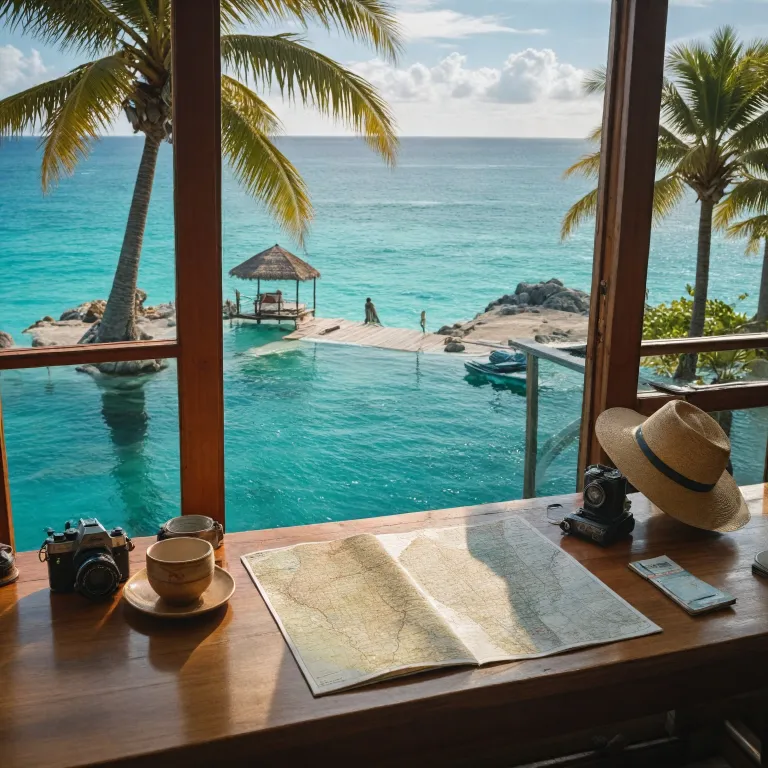
Understanding the map of the Maldives for luxury travel planning
Reading a map of the Maldives is the first refined step toward a successful luxury stay. This archipelagic country stretches across the Indian Ocean as a chain of islands and atolls, and understanding this geography helps you match each island to your travel style. When you study any maldives map or map maldives, you immediately see how distance, transfers, and privacy are written directly into the geography.
The Maldives is composed of around 1,200 islands grouped into distinct atolls, and these atolls form the administrative divisions of the republic Maldives. On a detailed location map, you will notice Malé in Kaafu Atoll near the centre of the country, which is the main hub for seaplanes and speedboats serving luxury and premium hotels. The capital’s coordinates, 4.1755° N and 73.5093° E, help you understand maldives location within south Asia, just south of sri lanka and south of india.
For travellers, a good vector maldives map or illustration maldives with clear atoll names is more than background art. It becomes a practical tool to compare islands in the north and south, evaluate transfer times, and visualise how remote your chosen island resort will feel in the vast indian ocean. When you zoom into a maldives detailed map, you see how some islands sit close together within atolls, while others stand alone in the ocean, which strongly influences exclusivity and excursion options.
Many premium booking platforms now integrate interactive map countries layers that show each island resort as a precise point. These tools often use GIS technology to create a high resolution vector illustration, allowing you to filter by transfer type, price range, and atoll. When a map sticker or map flag icon marks each property, you can quickly compare the background maldives setting, from lagoon facing villas to ocean facing suites, and align your choice with your expectations of privacy and convenience.
How atolls, islands, and transfers shape premium hotel choices
On any detailed map of the Maldives, the ring shaped atolls are the key to understanding how your journey will unfold. Each atoll contains multiple islands, and these islands host either inhabited communities or private resort properties, which are clearly separated on a maldives map. When you compare several atolls on a location map, you immediately see why transfer logistics are central to luxury and premium hotel booking decisions.
Resorts close to Malé in Kaafu Atoll usually rely on speedboat transfers, which you can visualise easily on a map maldives that highlights distances in kilometres. Further north and south, many islands require seaplane transfers, and this is where a maldives detailed vector illustration becomes invaluable for planning. By checking the exact maldives location of your chosen island within its atoll, you can anticipate transfer duration, potential waiting times, and how this affects the first and last days of your trip.
Premium travellers often compare islands in the north and south of the country to balance remoteness and convenience. On a high quality vector maldives map, the northern atolls appear closer to india and sri lanka, while the southern atolls stretch deep into the indian ocean, offering a stronger sense of isolation. This geographical spread, clearly visible on any illustration maldives or background maldives graphic, helps you decide whether you prefer quick access to Malé or a more distant, tranquil setting.
When evaluating luxury properties, pay attention to how each resort presents its own map sticker or map flag within the broader maldives map. Some hotels highlight nearby uninhabited islands, sandbanks, and reefs, which you can cross check on an independent location map for accuracy. This careful reading of maps, atolls, and islands supports better decisions about overwater villas, house reef quality, and the overall design of your stay, especially if you are travelling with family or planning multi island itineraries.
Reading the maldives flag and map as signals of identity and safety
For many travellers, the maldives flag is simply a colourful emblem on a brochure, yet it also anchors your understanding of place. When you see the flag maldives on a map of the Maldives, it marks the country’s sovereignty across a wide ocean area, which is important for safety, regulations, and environmental protection. The green rectangle, white crescent, and red background together appear on many map flag graphics, reinforcing that your resort operates within the legal framework of the republic Maldives.
On premium booking websites, you will often notice the maldives flag or a small map sticker beside each property description. This visual cue, combined with a maldives map or map maldives graphic, reassures guests that the hotel is officially recognised and located within the correct administrative divisions. When you zoom into a vector maldives illustration, you can see how each island sits within national maritime boundaries, which matters for activities such as diving, fishing, and private yacht charters.
Some luxury travellers appreciate map countries comparisons that show the Maldives alongside sri lanka and india within south asia. These comparative illustrations, often created as clean vector art, place the islands in a wider regional cooperation context, including aviation routes and shared environmental challenges. When you read that “The Maldives is an archipelagic nation in the Indian Ocean, consisting of numerous islands and atolls.”, you can connect the maldives flag to a very specific geography and culture.
Understanding how the maldives flag appears on official charts, safety documents, and resort pier signage also builds trust. When you arrive at your island, the flag maldives usually flies near the jetty, matching what you saw on the location map during booking. This continuity between illustration maldives graphics online and real life symbols on the island reinforces that you have reached the correct destination and that local regulations, customs, and environmental rules apply throughout your stay.
Using detailed maps to match islands with luxury travel styles
A detailed map of the Maldives can help you align each island with your preferred style of luxury. On a maldives detailed vector illustration, you can distinguish long narrow islands from compact circular ones, and this shape often influences resort layout and villa design. When you compare several islands within the same atoll on a maldives map, you start to see how beach orientation, lagoon depth, and reef proximity vary significantly.
For travellers seeking family friendly premium hotels, a clear location map is essential to evaluate proximity to Malé and medical facilities. Resources such as this guide to Maldives premium hotels for families become even more useful when read alongside a map maldives that shows transfer routes and neighbouring islands. By combining narrative reviews with illustration maldives graphics, you can judge whether an island offers calm lagoons, wide white beaches, and sheltered swimming areas suitable for children.
Couples or honeymooners may prefer smaller islands in remote atolls, which appear as tiny dots on a vector maldives map deep in the indian ocean. These islands often provide more privacy, fewer day trip boats, and darker night skies, all of which you can infer from the background maldives setting on a maldives map. When you see only a handful of islands within many kilometres on the location map, you can expect a quieter atmosphere and more personalised service.
Adventurous travellers might focus on islands with strong house reefs or channels visible on maldives detailed charts. On such maps, darker blue areas indicate deeper ocean, while lighter turquoise suggests shallow lagoons and sandbanks, creating a natural design that shapes snorkelling and diving experiences. By reading these visual cues carefully, you can select islands and atolls that match your expectations, whether you prioritise marine life, spa rituals, or curated culinary journeys across multiple countries’ cuisines.
Climate change, regional cooperation, and what maps reveal to guests
When you examine any comprehensive map of the Maldives, the low elevation of the islands becomes immediately apparent. Most islands rise only a few metres above sea level, and this vulnerability is central to discussions about climate change and long term tourism planning. Rising sea levels affecting low lying islands are not abstract concepts when you see how thin the white sand rims appear on a maldives map or map maldives vector.
Many modern illustration maldives graphics now include layers that show erosion zones, protected marine areas, and climate adaptation projects. These maldives detailed maps, often produced as high resolution vector maldives files, help travellers understand how resorts participate in conservation and regional cooperation initiatives. When you compare several atolls on a location map, you may notice areas designated as marine reserves, which influence where hotels can build jetties, overwater villas, and dive sites.
The Maldives works closely with neighbouring countries such as sri lanka and india within south asia forums to address shared environmental challenges. On some map countries overviews, you will see the Maldives highlighted alongside these neighbours, emphasising joint efforts in climate change research, disaster preparedness, and sustainable tourism. For guests, this context explains why certain islands limit motorised water sports or restrict access to sensitive reefs, policies that are easier to accept when you have seen the broader background maldives geography.
Premium booking platforms increasingly integrate location map tools that show sea level projections and reef health indicators as part of their design. When you view a map sticker or map flag overlaid on such data, you can choose hotels that invest in coral restoration, renewable energy, and coastal protection. This informed approach respects the delicate balance between enjoying white sand beaches today and supporting the long term resilience of the republic Maldives for future travellers.
Practical map reading tips for premium hotel booking in the Maldives
To use any map of the Maldives effectively, start by locating Malé and then tracing the main atolls north and south. This simple step on a maldives map or map maldives illustration helps you orient distances and understand how far each island sits from the capital. Once you have this framework, you can zoom into specific atolls and compare islands based on transfer times, resort density, and surrounding ocean features.
Look for maldives detailed maps that label both resort islands and local inhabited islands, as this distinction affects cultural experiences and excursion options. On a high quality vector maldives file, resort islands are often marked with a special map sticker or map flag icon, while local islands use a different symbol. This design choice, combined with clear administrative divisions boundaries, allows you to plan day trips, cultural visits, and private cruises with realistic expectations.
When evaluating premium hotels, pay attention to how illustration maldives graphics show villa placement relative to prevailing winds and sunset views. On many maps, the west facing side of an island is ideal for evening light, while the east may offer calmer morning conditions, especially in certain seasons of the tropical monsoon climate. By reading these subtle background maldives cues, you can request specific villa zones that match your preferences for light, privacy, and proximity to facilities.
Finally, use map countries and location map tools to understand flight connections from india, sri lanka, and other south asia hubs into Malé. This regional cooperation in air routes shapes arrival times, which in turn influence whether you can connect to same day seaplane or speedboat transfers to distant islands. Combining these practical map insights with trusted information from the Maldives Tourism Board and the Maldivian Government ensures that your luxury or premium hotel booking aligns beautifully with the geography, culture, and environmental realities of this remarkable island nation.
Key geographical statistics for reading a map of the Maldives
- Total land area of the Maldives is approximately 298 square kilometres, spread across a vast section of the Indian Ocean.
- The country consists of around 1,200 islands grouped into multiple atolls, many of which host luxury and premium resorts.
- The population of the Maldives is roughly 530,953 people, with a significant concentration in the capital.
- Malé, the capital city located in Kaafu Atoll, has an estimated population of about 100,000 residents.
Essential questions about the map of the Maldives for travellers
What is the capital of the Maldives and where is it on the map ?
The capital of the Maldives is Malé, situated in Kaafu Atoll near the centre of the country. On any detailed map of the Maldives, you will find Malé marked as a densely populated island close to the main international airport. Its central location makes it the primary hub for seaplane and speedboat transfers to luxury and premium island hotels.
How many islands appear on a typical map of the Maldives ?
A comprehensive maldives map usually shows approximately 1,200 islands distributed across multiple atolls. Not all islands are inhabited or developed, and only a portion host resort properties, which are often highlighted with specific symbols. When reading a location map, you can distinguish resort islands, local islands, and uninhabited sandbanks, which helps you understand the diversity of possible stays.
What kind of climate should travellers expect when reading a Maldives location map ?
The Maldives has a tropical monsoon climate with warm temperatures throughout the year. While a map of the Maldives cannot show weather directly, it helps you understand exposure to seasonal winds and ocean currents across different atolls. Combining climate information with a detailed location map allows you to choose islands and travel dates that align with your preferences for sunshine, calm seas, and outdoor activities.