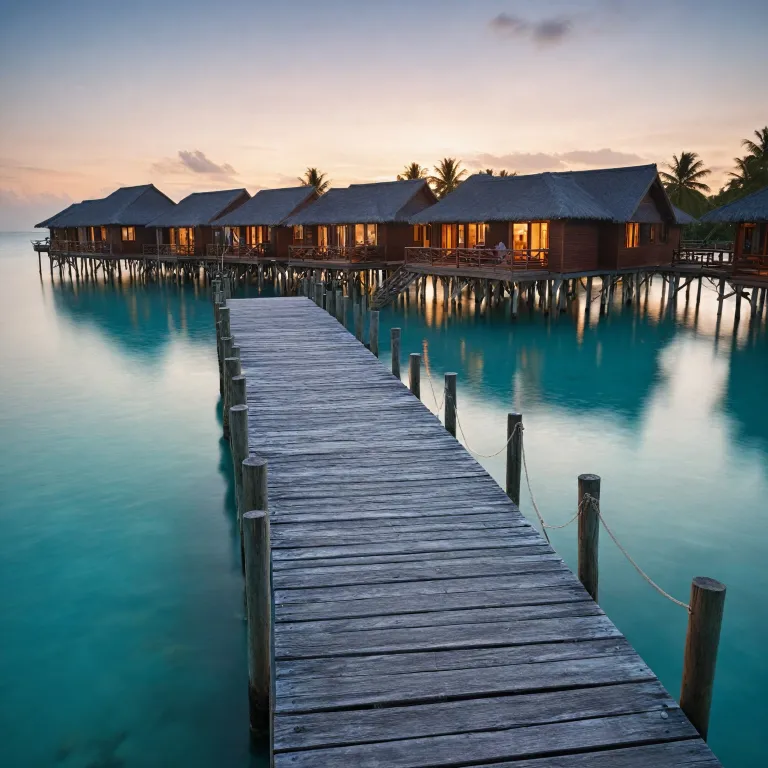
Maldives pole homes as the signature overwater escape
Maldives pole homes have become the emblem of refined island stays. These raised houses are built on sturdy stilts above clear lagoons, creating a sense of shelter and seclusion that feels effortlessly luxurious. For travellers comparing luxury and premium hotel booking options, these structures define what an overwater escape truly means.
Across the islands, resort developers treat each house as a standalone project with its own character and architectural story. Overwater structures are carefully built using piling systems that respect the shallow area of the reef, while advanced wastewater treatment protects the surrounding water. This balance between comfort and conservation is central to how people now evaluate high end accommodation in the Maldives.
The architecture of these pole homes is shaped by both traditional house references and contemporary design. Many houses echo Maldivian wooden construction, with raised decks, generous storage under the building, and shaded outdoor spaces that act as natural shelter. Inside, long sightlines frame the horizon, while the layout keeps the bedroom area oriented toward sunrise or sunset.
For guests booking online, understanding how these structures are built helps explain price differences between categories. A house positioned at the far end of a jetty often offers more privacy and quieter water, while those closer to the main island provide faster access to restaurants and the dive store. Reading each resort’s privacy policy also reveals how they manage guest data alongside the physical privacy designed into every raised home.
Architecture, construction and the evolution of raised lagoon living
The architecture of Maldives pole homes has evolved from simple wooden shelters to sophisticated overwater residences. Early houses were built as modest structures raised just above the water, but today’s versions integrate advanced construction methods and refined interior design. This evolution mirrors the broader shift in luxury and premium hotel booking expectations across the islands.
Resort developers and international hotel chains now treat each project as a long term investment in both architecture and marine stewardship. Many pole homes are built using prefabricated construction modules, which reduce time spent working in sensitive reef area zones. These modules are then raised on piles that minimise seabed disturbance, while environmentally friendly materials help protect the water and surrounding ecosystems.
For travellers researching where to stay, it is helpful to understand how a traditional house on land inspired many of these overwater houses. Wide eaves, ventilated roofs, and shaded verandas echo traditional architectural forms that kept people cool in the tropical climate. The same principles now appear in raised structures above the lagoon, where airflow and shade reduce energy use and enhance comfort.
When comparing resorts, look for detailed explanations of building methods and sustainability commitments on each website. Some properties highlight their architectural story in dedicated articles about the architectural marvels of luxury and premium hotel booking websites in the Maldives. Reading these pages, along with the resort’s privacy policy, helps guests align their stay with values around responsible construction, data protection, and long term care for the islands.
How pole home design shapes guest experience and comfort
In Maldives pole homes, architecture is not only visual ; it choreographs how guests move, rest, and connect with the water. A well designed house uses long, linear layouts to separate sleeping, bathing, and lounging areas without feeling closed in. This creates a natural flow from sheltered bedroom to open deck, where the lagoon becomes an extension of the living space.
Many raised houses feature direct steps into the water, turning the sea into a private swimming area. Under deck storage and cleverly integrated furniture keep the building uncluttered, while glass floor panels reveal the marine life below. These architectural details transform simple shelter into an immersive experience that justifies premium pricing on booking platforms.
Privacy is another defining element of these structures, especially for couples and honeymooners. The spacing between houses, the angle of each deck, and the height of railings are all part of a carefully planned project to shield guests from view. Even when houses are built close together, thoughtful construction ensures that people can relax without feeling overlooked.
When browsing luxury and premium hotel booking websites, pay attention to floor plans, orientation, and references to traditional house influences. Resorts that explain how their structures are raised, how the building interacts with the water, and how the area around each villa is screened often provide a more tranquil stay. Always review the resort’s privacy policy as well, since digital discretion should match the architectural privacy offered by these overwater houses.
Booking strategies for luxury and premium pole homes in the Maldives
Securing the right Maldives pole homes requires more than simply choosing the most photogenic house. Start by mapping how each resort’s structures are built along the jetty, noting distance from the main island and the depth of water beneath. This helps you match your expectations for quiet, lagoon colour, and access to facilities with the actual layout of the islands.
Luxury and premium hotel booking websites increasingly provide interactive maps and detailed architectural descriptions. Use these tools to compare how raised houses are grouped, whether storage and service areas are hidden, and how the building orientation captures sunrise or sunset. A long jetty with fewer houses often signals more seclusion, while a compact area can be better for families who value quick access to the dive store or kids’ club.
Pricing often reflects subtle differences in architecture and construction quality. Houses at the end of the jetty may cost more because the structures sit over deeper, clearer water, with fewer passing people. Mid jetty houses can offer a balance between privacy and convenience, especially when the project design keeps service traffic away from guest decks.
Before confirming any booking, read the resort’s privacy policy and sustainability statements carefully. These documents reveal how guest data is stored, how long it is retained, and how the resort manages environmental impact from building and operations. Aligning your stay with a property that treats both digital information and physical shelter responsibly adds an extra layer of reassurance to your Maldives experience.
Sustainability, floating city innovation and the future of raised structures
The future of Maldives pole homes is closely tied to sustainability and climate resilience. With rising sea levels and fragile reef systems, every new house or cluster of houses must be built as part of a carefully modelled project. Resort developers now collaborate with local construction companies and regulators to ensure that each building respects the carrying capacity of the area.
Many properties use advanced wastewater treatment and environmentally conscious construction materials to protect the water. Overwater structures are raised on piles that minimise seabed contact, while storage and service zones are consolidated to reduce boat traffic around sensitive islands. These measures help ensure that the architectural charm of pole homes does not come at the expense of marine health.
Innovation is also reshaping what a traditional house might mean in the Maldivian context. Concepts such as floating cities extend the idea of raised shelter into entire neighbourhoods of modular structures, designed to adapt to changing sea levels. In this landscape, Maldives pole homes act as both luxury retreats and prototypes for future coastal living.
Travellers can support these efforts by choosing resorts that clearly explain their construction practices, environmental monitoring, and privacy policy. Look for transparent reporting on how buildings are maintained, how long infrastructure is expected to last, and how people working on the project are trained in sustainable methods. “Many resorts implement sustainable practices, such as using eco-friendly materials and advanced wastewater treatment, to minimize environmental impact.”
Integrating Maldivian culture into pole home architecture and guest journeys
Beyond aesthetics, the most memorable Maldives pole homes weave local culture into every raised structure. Architects often reinterpret the traditional house forms of the islands, using timber, thatch, and open truss roofs to echo village shelters. These design cues give guests a sense of place that pure international minimalism cannot match.
Inside the houses, craftsmanship appears in carved panels, woven headboards, and hand finished storage units. The building layout may reference communal Maldivian houses, with long living areas that encourage conversation and shared meals. Even the way decks step down toward the water can mirror how people historically moved between land, lagoon, and fishing boats.
Resorts that highlight these cultural elements on their booking websites help guests understand the story behind each project. Detailed descriptions of architecture, construction techniques, and the role of local artisans show how the structures are more than simple shelters. This transparency also supports a sense of respect between visitors and the communities who call the islands home.
When reviewing options online, look for mentions of cultural programming, local materials, and partnerships with Maldivian designers. A clear privacy policy, written in accessible language, further signals that the resort values openness in both digital and physical spaces. In such environments, people can appreciate the raised houses not only as luxurious buildings over water, but as living expressions of Maldivian identity.
Key statistics on Maldives pole homes and overwater stays
- Number of overwater resorts in the Maldives : 60 resorts currently offer raised houses and overwater structures across multiple islands and atolls.
- Timeline of overwater construction : the first modern pole style bungalows at Baros Maldives marked the beginning of large scale overwater architecture in the country.
- Projected opening for Maldives Floating City : this ambitious project aims to extend the concept of raised shelter and modular building into a full scale floating urban area.
Questions people also ask about Maldives pole homes
What are overwater bungalows and how do they relate to Maldives pole homes ?
Overwater bungalows are luxury accommodations built on stilts over the water, offering direct access to the ocean. In the Maldives, these raised houses are often referred to as Maldives pole homes, emphasising the construction on piles above the lagoon. Both terms describe structures that function as private shelters, combining architecture, storage, and outdoor living space in a single building.
Why are overwater bungalows and Maldives pole homes so popular in the Maldives ?
The Maldives’ shallow, calm lagoons provide ideal conditions for constructing overwater bungalows, offering unique and exclusive lodging experiences. This geography allows houses to be built as raised structures with minimal impact on the seabed, while still giving people direct access to clear water. As a result, Maldives pole homes have become a signature feature of luxury and premium hotel booking across the islands.
Are Maldives pole homes environmentally friendly ?
Many resorts implement sustainable practices, such as using eco friendly materials and advanced wastewater treatment, to minimise environmental impact. Responsible projects ensure that each house and its supporting structures are built with careful attention to reef health and long term resilience. Guests can review sustainability sections and the resort’s privacy policy on booking websites to understand how environmental and operational data are managed.
Trustful expert sources
- Overwater Bungalows – industry data on overwater resort numbers and trends.
- Maldives Ministry of Tourism – regulatory information on resort development and environmental guidelines.
- UN Environment Programme – resources on sustainable coastal construction and marine protection.