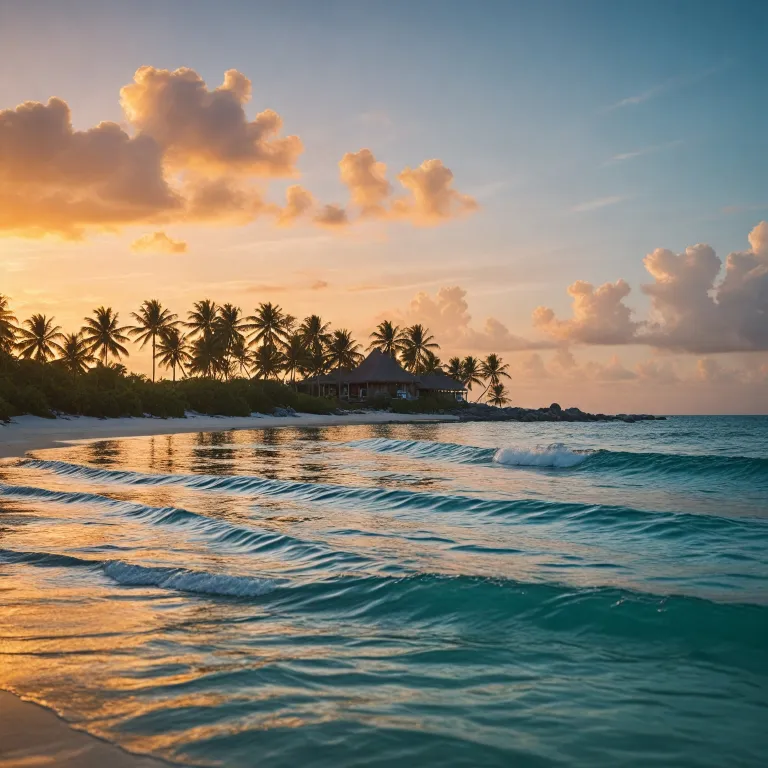
Why surfing Maldives islands pairs so well with luxury stays
Surfing Maldives islands appeals to travelers who want both refined comfort and serious waves. In this Indian Ocean nation, each island resort sits close to reef passes where a clean wave peels over coral, creating a rare blend of indulgent hospitality and world class surf. For guests who value privacy, service and style, the Maldives surf scene offers an elegant alternative to more crowded surf travel hotspots.
The country’s atolls form natural amphitheatres that focus swells into long, predictable waves. Average wave height during peak season reaches around 6 feet, which suits confident intermediates while still thrilling advanced surfers seeking the best waves on a longer surf trip. Because many surf resorts control access to nearby surf breaks, surfers often share the line up with only a handful of guests instead of large groups arriving by every boat charter.
For luxury focused travelers, the main decision is whether to base the trip in a single island resort or to book one of the growing number of surf charters. Resort based surfing in Maldives islands suits couples and families who want spa treatments, fine dining and calm lagoons alongside daily surf. Liveaboard surf trips, by contrast, appeal to surfers chasing remote surf spots across north Malé Atoll, central atolls and even the southern atolls where fewer crowds and powerful swells reward more committed surf travel.
Key surf regions from north Malé to the southern atolls
Most first time visitors start their surfing Maldives islands experience in the north Malé region. Here, the proximity of Malé atoll to the international airport keeps transfer times short, while a dense cluster of surf spots delivers consistent waves for a week long surf trip. Well known surf breaks in the north Malé atolls include left and right reef passes that handle a range of swells, making this area ideal for mixed ability groups.
South Malé atoll lies just beyond, linked by speedboat and often included in combined surf trips that sample both regions. A typical boat trip or surf charter will anchor near several breaks, allowing surfers to chase the best waves according to wind and tide. Because south Malé has slightly fewer surf resorts than the north, line ups can feel quieter, especially outside the peak swell window when many surfers focus on the most famous surf spots.
Further afield, the central atolls and southern atolls attract experienced surfers willing to travel longer distances for uncrowded waves. These zones are usually accessed by multi day surf charters rather than day boats from a single island resort. When a solid swell lines up with favorable winds, surfers on these remote surf charters often enjoy long, glassy waves with only their own group in the water, creating some of the most memorable surf Maldives experiences available.
Choosing between surf resorts and liveaboard surf charters
For travelers planning surfing Maldives islands holidays, the main structural choice is between surf resorts and surf charters. A surf resort such as Naladhu Private Island Maldives, Niyama Private Islands or Cinnamon Dhonveli offers fixed accommodation with direct access to nearby surf breaks. These properties combine refined villas, attentive service and curated dining with guided surfing, making them ideal for couples or families where not everyone surfs.
Liveaboard surf charters, by contrast, prioritize mobility and wave count over spa menus and expansive wine lists. A typical surf charter or series of surf trips will roam across the Malé atolls, central atolls or even down to the southern atolls, adjusting the route to follow incoming swells. On board, surfers share cabins, meals and daily briefings about wind, tide and which surf spots are likely to deliver the best waves for the next session.
Many guests now blend both styles within a single surf trip, starting with a boat trip to explore remote surf breaks before finishing with several nights in a high end island resort. This approach suits surfers who want the adventure of a roaming surf travel itinerary plus the restorative calm of a private villa at the end. When comparing options, consider how much time you want to spend on the water, how important spa and wellness facilities are, and whether non surfing companions will feel more comfortable on a stable island base than on surf charters.
Signature luxury surf resorts and their standout waves
Several properties have become benchmarks for surfing Maldives islands by pairing polished hospitality with exceptional waves. Cinnamon Dhonveli is renowned for exclusive access to Pasta Point, a long left hand wave that peels along the reef and rewards smooth, flowing turns. Guests staying at this resort benefit from controlled numbers in the lineup, which helps maintain both safety and a relaxed atmosphere for surfers of varying levels.
Niyama Private Islands offers direct access to Vodi, another left hand break that works on a range of swells and suits confident intermediates and advanced surfers. The resort’s twin island layout allows surfers to head out early while partners enjoy breakfast, spa rituals or lagoon snorkeling, creating a balanced surf trip for mixed interest groups. Further south, Senses Laamu has become a reference point for eco conscious luxury, with nearby surf spots that combine playful sections and more powerful walls when larger swells arrive.
Naladhu Private Island Maldives focuses on tailored experiences, arranging private coaching, small group sessions and custom boat transfers to nearby surf breaks in the Malé atoll. This level of personalization appeals to surfers who value privacy and flexible timing over a rigid schedule of group departures. When evaluating these surf resorts, look beyond headline waves and consider villa design, dining philosophy and how each property manages access to its local wave to protect both guest experience and reef health.
Planning a seamless surf trip around Malé and beyond
Thoughtful logistics can transform surfing Maldives islands from a good holiday into an exceptional one. Start by aligning your travel dates with the March to October surf season, then refine timing if you specifically want the larger swells that often arrive between June and August. Once dates are set, choose whether to focus on north Malé, south Malé, the central atolls or a more ambitious route that includes the southern atolls via extended surf charters.
Transfers from the international airport to your chosen island resort or surf charter are usually by speedboat or seaplane. For example, travelers comparing different speedboat options often research what to expect from the Kurumba Maldives speedboat transfer price and experience to benchmark comfort and value. Similar considerations apply when booking a boat trip to reach more distant surf spots, where the quality of the vessel, safety equipment and crew experience all influence how enjoyable your surf travel days will feel.
Pack with reef environments in mind, including boards suited to fast, hollow waves and protective gear such as reef booties and high zinc sunscreen. Many surf resorts and surf charters offer board rental, but experienced surfers often prefer their own equipment for consistent performance across multiple surf trips. Finally, respect local customs and surf etiquette in the Malé atolls and beyond, as courteous behavior in the water helps maintain positive relationships between visiting surfers, local communities and resort teams.
Safety, sustainability and making the most of Maldives surf
Safety and sustainability are central to a refined surfing Maldives islands experience, especially for guests staying in luxury properties. Reef passes can be shallow, so understanding entry and exit points at each wave is essential, whether you are surfing near Malé atoll or in more remote central atolls. Many surf resorts now provide detailed briefings and require guests to surf with local guides, which reduces risk while also supporting community employment.
Environmental stewardship is equally important, as the same coral reefs that shape perfect waves also protect island shorelines and marine life. Resorts and surf charters increasingly promote reef safe sunscreen, responsible waste management and respectful interaction with local communities during every boat trip. Visitors can support these efforts by choosing operators with clear sustainability policies and by limiting their own impact, from avoiding coral contact to minimizing single use plastics during surf travel.
To maximize enjoyment, match your ability to the character of each wave and the prevailing swells, rather than chasing only the most powerful surf breaks. Beginners and early intermediates may prefer softer waves near sheltered islands, while advanced surfers can target the best waves during peak swell pulses in the Malé atolls or further south. By combining informed planning, respect for local conditions and a willingness to adapt daily plans, surfers can enjoy the full range of surf Maldives experiences while helping preserve this remarkable destination for future generations.
Key statistics for surfing Maldives islands
- Average wave height during peak season is approximately 6 feet on many reef breaks.
- There are around 20 regularly surfable breaks spread across the Maldivian atolls.
Essential questions about surfing Maldives islands
When is the best time to surf in the Maldives?
The prime surfing season is from March to October, with the largest swells occurring between June and August.
Are there surf spots suitable for beginners in the Maldives?
Yes, several resorts offer surf schools and access to gentler breaks ideal for beginners.
Do I need to bring my own surfboard to the Maldives?
Many resorts and surf charters provide board rentals, but bringing your own is recommended for experienced surfers.
References
- https://www.naladhu.com/en/surfing
- https://www.amaldives.com/activities/surfing
- https://www.luxuryyachtmaldives.com/activity/surf/