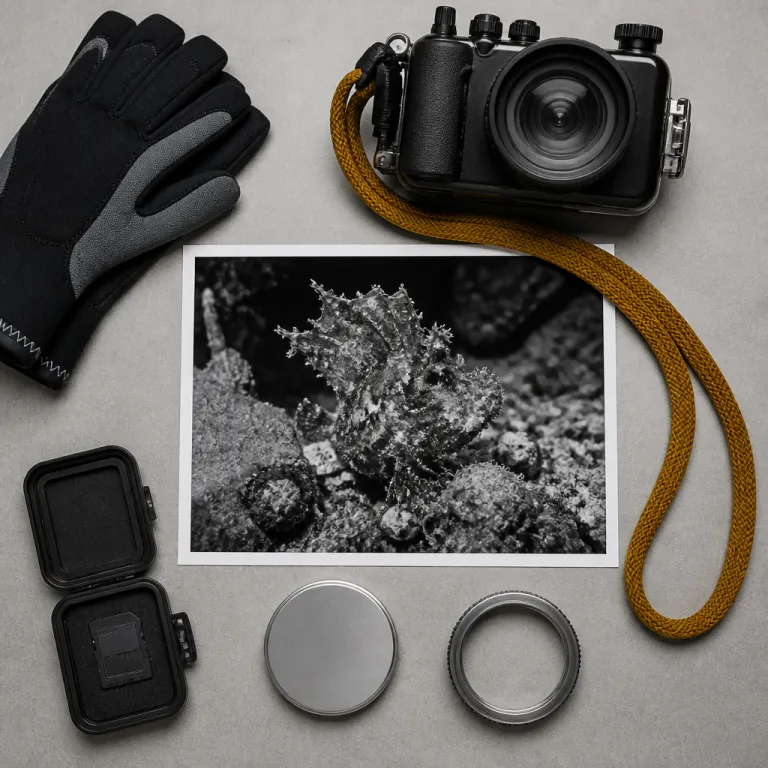
Why a Maldives night diving experience belongs on your family itinerary
When the sun slips behind the Indian Ocean, a different Maldives reef wakes up. For many divers, the first maldives night diving experience becomes the memory that defines their entire trip, long after the overwater villa photos fade. Families who already enjoy snorkeling or day diving in the maldives often find that a carefully guided night dive turns a good holiday into a genuinely transformative marine experience.
Underwater after dark, the senses recalibrate and every sound feels amplified. You hear your own breathing, notice the crackle of shrimp on the reef and watch beams of light carve through the night as divers move in slow, deliberate formation. This is where children who are already certified for diving maldives learn that the same reefs and atolls they saw by day host a completely different cast of marine life at night.
On a typical guided night dive, dive guides brief you on light signals, buddy checks and how to move calmly around resting marine life. Once you descend, the reef reveals hunting moray eels, reef octopus changing colour as they stalk prey and parrotfish sealed in delicate mucus cocoons for protection. A short torch flick off often reveals bioluminescent plankton swirling like underwater stars, turning even shallow night dives into a cinematic maldives night diving experience that feels far removed from a standard resort activity.
Families staying in the central atolls such as North and South Malé atoll have easy access to well mapped dive sites with gentle currents. Resorts here work with experienced dive guides who understand how to pace a first night dive for mixed experience groups, including confident teenagers and parents who may not have dived for several years. The result is a shared experience that feels adventurous yet controlled, with the maldives night diving experience carefully calibrated to suit both new and seasoned divers.
What you actually see on a night dive: sharks, mantas and glowing reefs
Daytime dives in the maldives showcase bright coral gardens, schooling reef fish and the occasional cruising turtle. Once night falls, the same dive sites shift into hunting mode, and your torch beam picks out reef sharks, nurse sharks and eagle rays gliding silently along the reef edge. For families used to gentle snorkeling, this first close encounter with sharks on a night dive can feel intense, yet in the maldives these reef sharks are generally shy and far more interested in small fish than in divers.
Some atolls are famous for manta rays that gather after dark to feed on plankton attracted by dive lights. Resorts in areas such as Ari atoll and parts of South Malé atoll schedule specific manta night dives when conditions align, often during plankton rich monsoon periods. Here, divers kneel on the sand while manta rays loop overhead in tight, balletic turns, creating a maldives night diving experience that many guests describe as more moving than any whale sharks encounter or dolphin cruise.
Not every family wants sharks and manta rays on the first night, and that is where sheltered house reefs come into their own. On these calmer night dives, dive guides focus on smaller marine life such as decorator crabs, hunting lionfish and sleeping turtles tucked into coral overhangs. When the torches go off for a moment, bioluminescent plankton often ignites in the water column, and children can wave their hands to create glowing trails, turning the maldives night diving experience into something playful rather than purely adrenaline driven.
Many premium resorts now pair night diving with other soft adventure activities to appeal to active families. If your children are old enough for a controlled night dive, they are usually also ready for carefully supervised experiences such as a lagoon zipline or guided kayak under the stars. Properties near Vahmaafushi, for example, can combine a day on the Maldives’ first adventure island zipline described in this Kaafu lagoon adventure feature with an evening reef dive, creating a full day of structured, age appropriate thrills.
Resort or liveaboard: choosing the right base for night dives
For most families, a high quality resort with a strong house reef offers the most comfortable entry into night diving in the maldives. You step from your villa or family suite to the dive centre, board compact dive boats for short hops to nearby dive sites and return to familiar cabins or rooms within minutes of surfacing. This style of maldives night diving experience suits younger divers, parents who value predictable routines and guests who want to balance dives with kids’ clubs, spa time and relaxed dinners.
More experienced divers sometimes prefer maldives liveaboards, which are dedicated dive yachts that move between atolls to reach more remote reefs and southern atolls. A maldives liveaboard typically offers en suite cabins, camera tables, shaded decks and a dedicated tender for shuttling divers to and from dive sites, allowing multiple dives and night dives each day. Families with older teenagers who already love diving maldives often find that a week on a well run liveaboard delivers more varied marine life, from whale sharks in Ari atoll to reef sharks in the deep channels of the south.
Life on a liveaboard is more immersive, and it suits divers who are comfortable with the rhythm of early starts, detailed briefings and several dives per day. Parents should consider whether younger children will enjoy this focused dive life or whether a resort with a strong house reef and flexible activity programme is more appropriate. For a deeper sense of what extended liveaboard dives can teach you about the maldives beyond any resort, the long form feature on ten days on a Maldives liveaboard offers useful context.
Whichever base you choose, ask specific questions about how the operator runs night dives. A credible resort or maldives liveaboard will limit group sizes, match divers by experience level and ensure that at least one dive guide is in the water for every small group. This is especially important in southern atolls and channels where currents can be stronger, and where the reward for careful planning is often spectacular marine life including eagle rays, reef sharks and, in the right season, passing whale sharks.
The house reef advantage: where luxury hotels excel after dark
Not all maldives resorts are equal when it comes to night diving, and the difference often lies in the quality of the house reef. A strong house reef means you can walk from your villa to the dive centre, attend a focused briefing and enter the water from a jetty or beach for a night dive without ever boarding dive boats. For families, this simplifies logistics, shortens the overall duration of the activity and makes the maldives night diving experience feel less daunting for younger or less confident divers.
Properties in South Malé atoll and Ari atoll are particularly well placed, with many reefs dropping quickly to 15–25 metres just off the shore. Here, dive guides can tailor night dives to Open Water certified divers by keeping to shallower profiles while still offering rich marine life, from hunting octopus to patrolling reef sharks. Parents can often wait at the dive centre lounge or nearby bar, watching the lights of the night dives below while younger family members complete their underwater adventure.
Luxury hotels that take marine life seriously usually employ resident marine biologists who dive the house reef daily and monitor coral health, fish populations and seasonal changes. These experts often join night dives or pre dive briefings, explaining how coral polyps feed after dark, why certain sharks prefer the outer reef and how bioluminescent plankton responds to movement. When you combine this scientific context with a carefully paced maldives night diving experience, even a simple shore dive can feel as rich as a more complex excursion to distant dive sites.
One subtle indicator of a resort’s overall seriousness about the underwater world is often found above water. A thoughtful wine list, for example, can signal the same attention to detail that appears in the dive operation, from well maintained equipment to well trained staff. For a deeper look at how to read these cues when choosing where to stay, the guide on what the wine list tells you about a Maldives resort pairs neatly with evaluating the quality of the house reef and night diving offer.
Safety, certification and how resorts manage night dives for families
Many parents considering a maldives night diving experience ask whether an Open Water certification is enough for a first night dive. In most cases, resorts and maldives liveaboards allow Open Water divers with recent experience to join guided night dives after a detailed briefing, while also offering a dedicated night diving specialty course for those who want extra training. The key is honest communication about your comfort level, recent dives and any concerns, so that dive guides can adjust the plan and group composition accordingly.
Before any night dive, expect a thorough briefing covering hand and light signals, maximum depth, expected marine life and emergency procedures. Reputable operators in Malé, South Malé and the wider atolls will also explain how they manage surface support, from staff on the dive boats tracking bubbles to shore teams monitoring return times. Families should feel comfortable asking about oxygen availability, first aid training and how many dives the guides have logged in those specific dive sites, especially in more remote southern atolls.
Underwater, safety revolves around staying close to your buddy, maintaining neutral buoyancy and keeping your torch beam slightly ahead rather than directly on marine life. Dive guides usually set conservative depth limits for family groups, often keeping night dives within 12–18 metres, which suits both Open Water divers and more experienced guests who are happy to trade depth for extended time with manta rays or reef sharks. If anyone feels uneasy, a simple signal to the guide is enough to begin a calm, controlled ascent, and no reputable operator will pressure divers to continue.
For children and teenagers, the sensory shift of being underwater at night can feel intense yet rewarding. Colours narrow to the cone of your torch, peripheral vision fades and sound becomes more pronounced, which is why pre dive conversations about expectations matter as much as the technical briefing. When handled with care, the maldives night diving experience becomes less about chasing sharks or whale sharks and more about learning to move slowly, respect marine life and trust both your training and the professionalism of the crew on the dive boats.
Planning your night dives: seasons, atolls and choosing the right operator
Good planning turns a single maldives night diving experience into a coherent part of your wider trip rather than a last minute add on. Start by looking at which atoll you will stay in, because different atolls and southern atolls offer different strengths, from manta focused night dives in Ari atoll to shark rich channels in the far south. If your family is new to diving maldives, a central location such as Malé atoll or South Malé atoll with shorter boat rides and gentler conditions is usually the most comfortable choice.
Seasonality matters, especially if manta rays or whale sharks are on your wish list. Operators in Ari atoll and certain eastern atolls track plankton movements and monsoon patterns to predict when manta night dives are most likely to deliver consistent sightings, while liveaboards may adjust routes to follow marine life. When you book, ask specifically how often they run manta focused night dives at that time of year and what percentage of dives typically include manta rays, so you can set realistic expectations for the family.
Choosing between resort based diving and maldives liveaboards comes down to how central you want diving to be in your holiday. If you plan only a handful of dives, including one or two night dives, a resort with a strong house reef and well reviewed dive centre is usually ideal, offering a balanced mix of marine life, comfort and flexibility. If your family already structures vacations around dives and liveaboard life, then a maldives liveaboard with comfortable cabins, experienced dive guides and a track record of safe night dives across multiple atolls may be worth the commitment.
Finally, remember that the most memorable maldives night diving experience is rarely the deepest or the most extreme. It is the one where the briefing felt clear, the group size felt manageable, the dive boats and equipment felt well maintained and the marine life behaved naturally around calm, respectful divers. When those elements align, even a simple shore based night dive over modest coral gardens can feel as rich as any headline grabbing encounter with sharks, manta rays or bioluminescent plankton in the open ocean.
FAQ: maldives night diving experience for luxury travelers
Can Open Water certified divers join a night dive in the Maldives ?
Most reputable resorts and liveaboards in the maldives allow Open Water certified divers to join guided night dives, provided they have logged at least a few recent dives. Before the dive, instructors deliver an extended briefing that covers light signals, buddy procedures and how night changes your perception underwater. If you feel unsure, many centres offer a short night diving orientation or a full specialty course to build confidence before joining deeper or more advanced night dives.
Is night diving suitable for teenagers and family groups ?
Night diving can work very well for confident teenage divers who already enjoy day dives and are comfortable in the water. Operators in Malé atoll, South Malé and other family focused atolls often run shallow night dives on house reefs with minimal current, which are ideal for mixed experience groups. Parents should discuss expectations with both children and dive guides in advance, ensuring that depth limits, group size and marine life encounters match everyone’s comfort level.
What marine life is most commonly seen on Maldives night dives ?
On a typical maldives night diving experience, you can expect to see hunting moray eels, active crustaceans, sleeping parrotfish and often several species of reef sharks. In areas such as Ari atoll, manta rays sometimes appear on dedicated manta night dives when plankton levels are high, while some southern atolls offer chances to see larger sharks in channels. Even on quieter nights, bioluminescent plankton, octopus and the subtle behaviour of smaller reef creatures make the dives feel very different from daytime experiences.
How do resorts manage safety on night dives ?
Resorts and maldives liveaboards follow strict protocols for night diving, including detailed briefings, conservative depth limits and mandatory buddy systems. Dive boats or shore teams track entry and exit times, carry oxygen and first aid kits and ensure that at least one experienced guide is in the water with each small group. Guests are encouraged to signal any discomfort early, and professional operators will always prioritise a calm, early ascent over pushing anyone beyond their comfort zone.
Should I choose a resort or a liveaboard for the best night diving ?
Resorts with strong house reefs are ideal for families or travelers who want to mix a few night dives with broader holiday activities. You benefit from easy logistics, short boat rides and the comfort of returning to spacious rooms or villas after each dive. Liveaboards suit divers who want multiple dives and night dives across several atolls, trading some on land amenities for access to more remote reefs, southern atolls and a wider range of marine life encounters.