Why raa atoll manta dive sola corner matters for luxury trip planning
Raa Atoll sits quietly north of Baa Atoll, yet its manta cleaning stations now shape how serious travelers should book high end stays in the Maldives. Where Hanifaru Bay in Baa Atoll answers the question “How many mantas can I see while snorkelling ?”, the raa atoll manta dive sola corner question is “How long can I stay down with them at a working cleaning station while the reef breathes around me ?”. For solo explorers choosing between luxury resorts, that difference in dive site style, depth profile and crowd level matters more than any infinity pool.
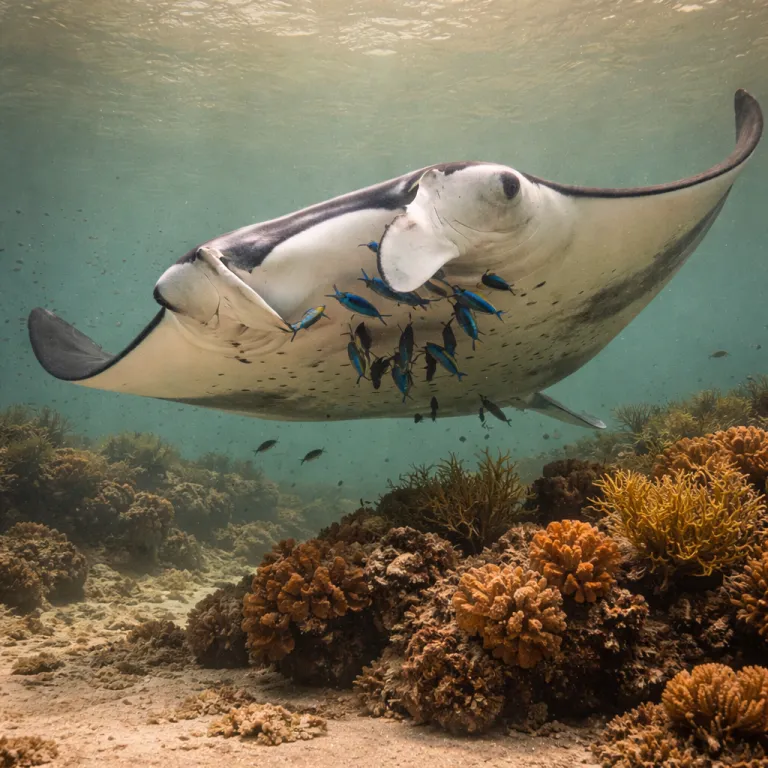
Sola Corner is the signature manta ray cleaning station of Raa Atoll, a compact dive site on the west side of the atoll where a shallow plateau drops to around 15 metres and then steps deeper along the reef. Here the current funnels plankton rich water across the cleaning station, and manta rays circle slowly above the coral blocks while cleaner fish, wrasse and shrimp work methodically over their wings. Because this is a scuba only site rather than a snorkel bowl, the number of divers is naturally limited, which keeps encounters calm and lets you focus on the reef, the fish species and the choreography of the mantas rather than on other guests.
For a luxury or premium hotel booking, that means you should treat raa atoll manta dive sola corner as a core filter, not a side activity. Ask every resort in Raa Atoll how many minutes their boat needs to reach the dive site, how often they schedule dives there during both monsoon directions and whether Nitrox is standard for extending bottom time at the cleaning station. As a benchmark, several west side properties report typical boat rides of 15 to 30 minutes to Sola Corner in normal sea conditions, with at least two scheduled trips per week in peak season. Then compare that with properties in Baa Atoll that lean on Hanifaru Bay, where access is snorkel only, strictly timed and often crowded, and decide whether your Maldives stay is about surface level sightings or deep, extended encounters.
Inside sola corner: how the cleaning station actually works
On a typical raa atoll manta dive sola corner briefing, your guide will sketch the reef like a horseshoe, with the main cleaning station sitting around 15 metres on the outer side and a secondary patch slightly deeper. You drop in up current, descend along the reef edge and then hook in or settle on the sand, keeping a respectful distance from the coral heads where the cleaner fish operate. The goal is to stay low, calm and still, letting the manta rays choose their own approach while you watch the cleaning station behaviour unfold above the soft corals and overhangs.
Field reports from local dive centres such as DivePoint Raa and Euro-Divers Raa are clear about what you can expect underwater, and one line deserves to be quoted exactly once here for context : “What is a manta ray cleaning station? A site where mantas get cleaned by smaller fish.” At Sola Corner that definition becomes three dimensional, as you watch a manta ray glide in from the blue, circle once to test the current, then hover motionless while cleaner wrasse and shrimp move across its gills and cephalic fins. Encounters often last the full dive, with a steady number of manta rays rotating through the site, and when the current is right you may see up to eight individuals using the station in a single session according to long running logbooks from these operators.
Depth here is friendly for most experience levels, with the main action between 12 and 20 metres and the deepest sand patches dropping a little further along the reef. That makes Sola Corner accessible to Advanced Open Water divers and confident Open Water divers under guidance, especially when using Nitrox to extend no decompression time at the cleaning station. Because the dive site is compact, guides manage small groups carefully, spacing teams along the reef so that everyone has clear lines of sight to the manta rays, the schooling fish and the occasional reef shark or moray eel that patrols the edges of the action. Many centres use a simple GPS reference in their briefings, noting Sola Corner as a west Raa plateau around 5°40’N, 72°55’E, which helps you understand how it sits in the wider atoll layout.
Comparing sola corner, Hanifaru Bay and Fushifaru Thila for manta focused stays
When you plan a luxury Maldives trip around mantas, you are really choosing between three different ways of being in the water : the snorkel vortex of Hanifaru Bay in Baa Atoll, the scuba focused raa atoll manta dive sola corner experience in Raa Atoll and the year round reliability of Fushifaru Thila in Lhaviyani Atoll. Hanifaru Bay is famous for sheer numbers, with peak season often bringing dense schooling fish and dozens of manta rays feeding in tight spirals, but access is snorkel only, capped at short time slots and shared with lots of boats. For some travelers that intensity is thrilling, yet many solo divers find the surface chaos at odds with the calm, deep focus they seek from a manta cleaning station.
Sola Corner offers the opposite mood, with fewer people, more time and a working reef under your fins, where reef sharks, moray eels and big fish move through the current while the mantas hover above the cleaning station. Because this is a true dive site rather than a snorkel bowl, you can settle at depth, watch individual fish species interact with the mantas and feel the pulse of the atoll’s ecosystem rather than just counting sightings. For guests booking premium resorts in Raa Atoll, that makes Sola Corner a powerful anchor experience, especially when combined with other sites in Raa where soft corals, overhangs and small thila structures hold lots of life.
Fushifaru Thila in Lhaviyani Atoll deserves more attention than it gets in most hotel brochures, as it is one of the few manta cleaning stations in the Maldives that works reliably in both monsoon directions according to long running local dive logs. The thila itself rises from deeper water to a plateau where cleaning station blocks sit in the current, and when conditions align you can have long, unhurried dives with manta rays circling above the reef. If you are building a multi stop itinerary, pairing a Raa Atoll resort with access to Sola Corner and a Lhaviyani property that runs regular trips to Fushifaru Thila gives you two very different, yet complementary, manta encounters in one trip, and our guide to hidden gems and under the radar experiences in the Maldives on mymaldivesstay.com is a useful companion when you start sketching that route.
Choosing the right Raa Atoll resort for sola corner access
For a luxury traveler, the smartest way to use the raa atoll manta dive sola corner insight is to reverse engineer your hotel shortlist from the dive sites, not the other way around. Start by asking which properties sit closest to Sola Corner on the west side of Raa Atoll, then check how many weekly trips their dive centre runs to the cleaning station during peak manta season. Resorts with strong in house dive teams will usually publish a map of their core dive sites in Raa, including Sola Corner, nearby thila formations and channels where reef sharks and schooling fish gather.
Look closely at the dive centre details before you commit to a villa, especially if you are a solo explorer. You want a centre that pairs solo divers thoughtfully, keeps group sizes small and offers Nitrox as standard for Sola Corner and other deep or current exposed dive sites in Raa Atoll. As a practical example, several established operations in the atoll cap groups at four to six divers per guide on manta cleaning station dives and state this clearly in their pre arrival information. Ask about rental gear quality, the number of instructors on staff, and whether they run regular trips to other manta focused sites Raa wide, such as Kottefaru Bodu Thila or fenfushi giri near Fenfushi, where soft corals, overhangs and big fish often share the reef with reef sharks and the occasional grey reef shark.
Seasonality matters too, even in a destination marketed as year round. Local operators consistently report that Sola Corner performs particularly well from December to April, with increased manta sightings in Raa Atoll during that window, while other sites in Raa, including Kottefaru Bodu Thila, tend to shine from June to November when the south west monsoon shifts the plankton. If you are travelling in May, you sit in a sweet overlap where water temperatures are warm, plankton density is rising and both Raa Atoll and Baa Atoll can deliver strong manta numbers, which is why we recommend pairing this guide with our Hanifaru Bay piece and our southern atolls calendar when you plan a multi week route.
Beyond mantas: how sola corner fits into a wider Raa and Maldives dive circuit
Even if raa atoll manta dive sola corner is your headline reason for booking a Raa Atoll resort, it should not be your only underwater story. The atoll holds a quiet network of thila, giri and channel dive sites where reef sharks, moray eels, schooling fish and a wide range of fish species move through the current, and a good dive centre will build a weekly schedule that balances manta cleaning station dives with more exploratory reef days. Around Fenfushi and fenfushi giri, for example, you can expect lots of small overhangs, soft corals and sandy patches where big fish cruise in from the blue, giving you a very different feel from the focused stillness of Sola Corner.
Raa Atoll also works well as part of a broader Maldives circuit that includes Baa Atoll for Hanifaru Bay, Lhaviyani for Fushifaru Thila and perhaps a southern atoll where whale shark encounters are more common. While whale shark sightings are never guaranteed, some liveaboard routes link Raa, Baa and central atolls into a single itinerary, using Sola Corner as the Raa highlight before heading south west towards channels known for grey reef sharks and other pelagic species. If you prefer to stay land based, consider splitting your time between two or three resorts, and use our guide to multi generational stays in the Maldives for ideas on properties that can handle both serious divers and non diving family members without compromise.
Looking ahead, the opening of ultra luxury brands such as Bvlgari in Raa Atoll will inevitably increase boat traffic across the atoll’s key dive sites, including Sola Corner and nearby thila structures. That projection is already reflected in planning documents and resort announcements, which highlight diving as a core draw. That is another reason to prioritise Raa Atoll now, while the number of daily boats at the cleaning station remains manageable and the reef still feels like a working ecosystem rather than a theme park. For solo travelers who value quiet, current swept reefs, long manta sessions and honest, conservation minded dive operations, Sola Corner and its neighbouring sites in Raa offer one of the best balances of access, comfort and authenticity in the Maldives.
Practical tips for solo divers and serious snorkellers booking around sola corner
Solo travelers planning a raa atoll manta dive sola corner focused trip should think like divers first and hotel guests second. Before you lock in a villa, email the dive centre with specific questions about Sola Corner, other manta cleaning station options in Raa Atoll and how they handle solo diver pairings on deeper or current affected dive sites. Ask whether they brief the cleaning station etiquette clearly, limit the number of divers per guide and adjust dive times to avoid peak boat traffic from neighbouring resorts.
Certification level and comfort with current are more important here than raw experience hours. While Sola Corner’s main cleaning station sits at a relatively modest depth, the site is still exposed to atoll currents, and you will enjoy the dive more if you are relaxed with negative entries, quick descents and holding position near the reef without damaging soft corals or spooking the manta rays. If you are a serious snorkeller rather than a diver, remember that Sola Corner is not a snorkel site, so you may want to combine a Raa Atoll stay with a Baa Atoll resort that offers structured Hanifaru Bay trips, giving you both the deep manta cleaning station perspective and the surface level feeding frenzy in one itinerary.
Finally, pack and plan for long days on the water. Bring your own mask, computer and reef safe sunscreen, and consider a lightweight DSMB if you are used to independent safety gear, even though Maldivian dive centres generally provide surface markers. Book key manta dives early in your stay in case weather or current shifts force rescheduling, and leave space for repeat visits to Sola Corner or other favourite sites Raa wide, because the best Maldives trips are rarely about a single perfect dive but about a sequence of encounters that build a deeper relationship with the atoll, its reefs and its resident species. A simple one day template that many solo divers use is a pre breakfast briefing, a first morning dive at Sola Corner, a relaxed surface interval back at the resort, then an afternoon trip to a contrasting site such as Kottefaru Bodu Thila or fenfushi giri, finishing with logbook time and manta ID matching after dinner.
FAQ
What certification do I need to dive Sola Corner in Raa Atoll ?
Sola Corner is suitable for most certified divers, as the main cleaning station sits around 15 metres with the reef sloping gently deeper. Advanced Open Water certification is ideal, but confident Open Water divers can usually join under close supervision from a qualified guide. Because the site can have moderate current, recent experience in similar conditions will make the dive more comfortable and let you focus on the manta behaviour rather than on basic skills.
When is the best time to plan a manta focused trip to Sola Corner ?
The most reliable manta encounters at Sola Corner typically occur from December to April, when visibility is often higher and plankton movements favour the cleaning station. During these months, many Raa Atoll resorts schedule regular trips to the site, sometimes several times per week. Outside this window, mantas may still appear, but dive centres often shift emphasis to other sites in Raa where seasonal conditions are stronger.
How does Sola Corner compare with Hanifaru Bay for manta encounters ?
Hanifaru Bay in Baa Atoll is a snorkel only site known for high density feeding events, where many manta rays may gather in a relatively small area for short, intense sessions. Sola Corner, by contrast, is a scuba dive on a working cleaning station, with fewer people in the water and longer, calmer encounters as mantas circle above the reef to be cleaned by smaller fish. Your choice should depend on whether you prefer surface level action with large numbers or deeper, more observational time on the reef.
Can solo travelers easily join dives to Sola Corner from Raa Atoll resorts ?
Most established dive centres in Raa Atoll are well set up for solo divers and will pair you with a buddy or integrate you into a small guided group for Sola Corner. You can expect thorough briefings on the site layout, current direction and cleaning station etiquette before each dive. It is worth emailing ahead to confirm minimum numbers, typical group sizes and whether they run Sola Corner trips even when only a few guests sign up.
Is Nitrox recommended for diving Sola Corner and other Raa Atoll sites ?
Nitrox is strongly recommended for Sola Corner, as it allows longer bottom times at the 12 to 20 metre range where most manta cleaning station activity occurs. Many Raa Atoll resorts now offer Nitrox as a standard option, especially on manta focused dives and deeper thila or giri sites. If you are not yet Nitrox certified, consider completing the course before your trip or during your first days at the resort to maximise your time with the mantas.