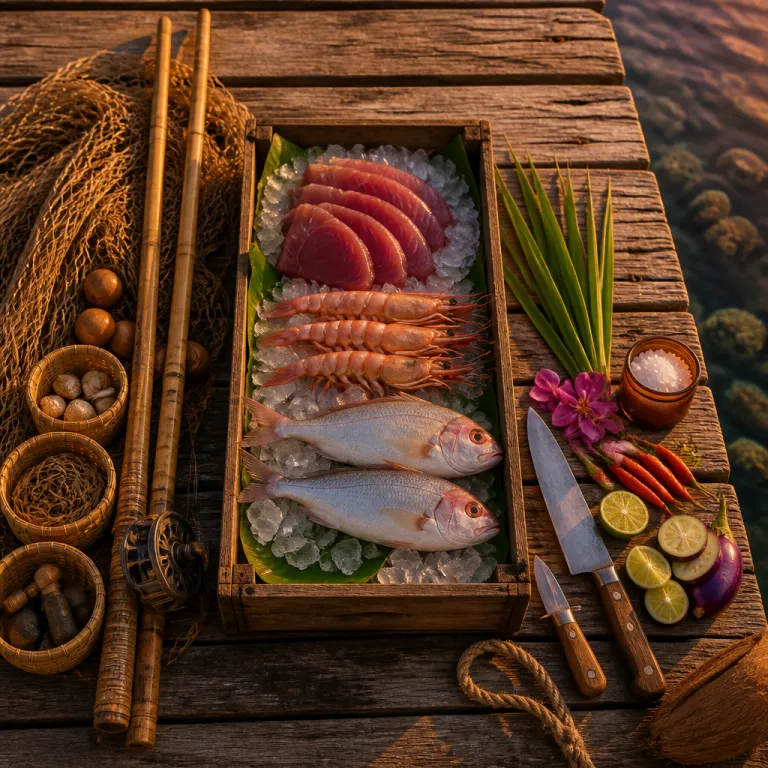
What short-supply dining really means in the Maldives
In the Maldives, a serious maldives resort dining restaurant is defined less by chandeliers and more by the morning radio call between chef and skipper. Short-supply dining here means the restaurant kitchen is only a 30 minute dhoni ride away from the reef, where local Maldivian fishermen land freshly caught tuna, reef fish and maldivian lobster before the sun climbs too high. For guests used to global hotel chains, this kind of dining experience feels almost radical in its simplicity and precision.
When you book a resort that treats sourcing as part of its fine dining philosophy, you are entering a culinary journey shaped by geography rather than marketing. Local partners use traditional pole and line methods around each atoll Maldives, while resort chefs translate that catch into multi course menus that balance international cuisine with regional flavours. The main content of any serious restaurant Maldives programme is not the décor but the supply chain, and the best properties are transparent about which boats, which families and which reefs they rely on.
Short-supply does not mean rustic or limited, because a refined Maldives resort dining restaurant can still offer an elegant bar, a polished restaurant bar and a curated wine cellar. It does mean the menu seafood section changes when the ocean is rough, and that breakfast lunch and lunch dinner services are planned around what the fishermen can safely bring in. Guests who learn to read these signals quickly find the most rewarding restaurant and dining options, whether they prefer barefoot beach grill lunches or private villa dining under a blood orange sunset.
Named boats, real people: resorts where the chef knows the fisherman
Some resorts in the Maldives now publish the names of the boats and captains who supply their restaurant seafood, turning anonymous sourcing into a visible partnership. At properties like Dusit Thani Maldives and Amilla Maldives, chefs speak openly about working with specific local Maldivian fishermen who land freshly caught skipjack and reef fish using low impact methods. This is where a maldives resort dining restaurant stops being a generic luxury venue and becomes part of the island’s working economy.
Resorts surveyed on seafood sourcing now include Dusit Thani Maldives, Amilla Maldives, COMO Maalifushi, Kuredu Island Resort and Four Seasons Resorts Maldives, and they are frequently asked to explain how they balance sustainability with guest expectations. In the dataset used for this article, one answer is explicit : “They source seafood directly from local fishermen using traditional, low-impact methods.” When you learn that a resort has on site gardens for herbs and salad greens alongside these fishing partnerships, you can be confident that its dining experience is more than a brochure line.
For business leisure travellers planning private dining or villa dining events, these relationships matter because they affect reliability, menu seafood depth and even the dress code for more relaxed beach events. A chef who knows the fisherman can design a multi course fine dining menu around a single exceptional catch, then pivot to a casual grill at the beach when the ocean turns. If you plan to book incentive dinners or executive lunches, ask direct, frequently asked questions about which atoll Maldives fishing communities the resort supports and how often the chef visits the harbour rather than the import warehouse.
Underwater restaurants: theatre, tasting menus and the cost of spectacle
Underwater venues like Ithaa at Conrad Maldives Rangali Island and 5.8 Undersea at Hurawalhi have turned the Maldives into a global reference point for aquatic fine dining. Ithaa is often described as an undersea restaurant Maldives icon, yet its most interesting detail is not the glass tunnel but the way its kitchen integrates reef fish from surrounding waters into a tightly edited menu seafood sequence. Hurawalhi’s 5.8 Undersea seats only 16 guests, which means every lunch dinner or dinner only service becomes a carefully choreographed multi course performance.
For executives extending a business trip, the question is whether these underwater experiences are primarily dining or theatre, and whether the premium is justified. A useful starting point is this in depth guide to which Maldives underwater restaurants truly merit the tasting menu markup, which evaluates not only the view but also sourcing, technique and service style. When the chef can point to specific fishermen and explain which part of the atoll Maldives the fish came from that morning, the spectacle gains substance.
Dress code expectations in these venues are usually smart resort style rather than formal, though some properties quietly relax the code for exclusive private dining buyouts. Guests should learn to ask how much of the menu seafood is freshly caught and how much arrives by cargo flight, especially when paying for a premium fine dining experience. If the main content of the pitch is the aquarium like view rather than the relationship between kitchen and ocean, you may want to skip main spectacle and focus your budget on a more grounded restaurant bar or beach grill elsewhere on the island.
From reef to villa: how short-supply works for private events
For business leisure travellers, the most strategic use of a maldives resort dining restaurant is often a private event rather than a table for two. Short-supply sourcing can be a powerful narrative tool for incentive groups, especially when the chef introduces the fishermen who caught the tuna or maldivian lobster being served at a beach grill dinner. Guests remember the story of the boat and the reef long after they forget the floral centrepieces.
Residential luxury trends in the Maldives now favour villa dining formats where a chef team turns a private deck into a temporary restaurant, complete with bar, grill and tailored dress code guidance. This is where the phrase “residential luxury” becomes meaningful, because the villa becomes a flexible restaurant Maldives space that can host breakfast lunch meetings, relaxed lunch dinner negotiations or late night tasting menus. When the kitchen works with short supply lines, the menu seafood can be finalised only hours before service, based on what the fishermen land and what the on site garden yields.
From a planning perspective, you should learn to ask frequently asked questions about capacity, sourcing and timing before you book any private dining or villa dining experience. Clarify whether the resort can guarantee freshly caught fish for your dates, or whether the ocean conditions around that atoll Maldives might limit certain species. If sustainability is part of your corporate message, choose a resort whose main content on events highlights direct work with local Maldivian fishermen, not just generic references to international cuisine and imported luxury products.
What local sourcing can and cannot do in an island nation
Even the most committed maldives resort dining restaurant cannot escape the realities of an island nation that imports almost all of its dry goods. Local sourcing in the Maldives is strongest for seafood, coconuts, breadfruit, moringa and some vegetables grown in on site gardens, while dairy, flour and much of the wine list still arrive by cargo flight. Guests who understand this balance can enjoy the best of both worlds without falling for over simplified marketing.
Resorts like Dusit Thani Maldives and Amilla Maldives have invested in garden to table programmes that reduce dependence on imports for herbs, salad greens and some fruit, which subtly changes the flavour profile of their dining experience. When a restaurant Maldives team can walk from kitchen to garden in minutes, the freshness of a breakfast lunch salad or a fine dining garnish is immediately noticeable. These efforts also reduce the carbon footprint of each resort, supporting the broader sustainability goals that many guests now expect as standard.
At the same time, a serious restaurant bar will still pour European wines and a beach grill will still use imported olive oil, because certain elements of international cuisine simply are not produced locally. The most honest properties are transparent about this mix and encourage guests to learn which parts of the menu seafood and produce are genuinely local. When you read the main content of a menu, look for specific references to atoll Maldives fishing grounds, named farms or island cooperatives rather than vague phrases about the ocean or the land.
Why your best Maldivian meal might be off the resort
For all the precision of a maldives resort dining restaurant, some of the most memorable meals in the Maldives still happen on residential islands. A simple restaurant bar on a local island might serve grilled freshly caught tuna with rice and coconut sambal, eaten in flip flops as the sunset drops behind the harbour. There is no dress code beyond basic respect, and the kitchen often doubles as a family living room.
Travellers who are willing to skip main resort comforts for an evening can learn a great deal about Maldivian food culture in these settings. You might find a small restaurant Maldives venue where breakfast lunch means hedhikaa snacks and sweet tea, while lunch dinner brings out curries, reef fish and perhaps a maldivian lobster special when the catch allows. The dining experience is informal but intensely local, and the connection between fisherman, cook and guests is visible rather than curated.
Back at your resort, you can balance this authenticity with wellness focused venues and spa side cafés, especially at properties highlighted in this guide to Maldives luxury spa resorts with strong wellness and ocean views. A thoughtful Maldives resort dining restaurant will sometimes invite local cooks for guest chef nights, blending international cuisine technique with island recipes in a multi course format. When you book your stay, ask frequently asked questions about such collaborations and whether the resort organises guided visits to nearby atoll Maldives communities for guests who want to enjoy both sides of the culinary journey.
Key figures behind Maldivian short-supply dining
- Thirty resorts were recently surveyed on seafood sourcing practices in the Maldives, indicating a measurable shift toward transparency in how restaurant and dining teams work with local fishermen (source : Maldives Resilient Reefs).
- Dusit Thani Maldives publicly redefined its sustainable dining approach in the mid 2020s, signalling that high end resorts now see ethical sourcing as a core part of their fine dining identity rather than an optional extra (source : Hotelier Maldives).
- The Maldivian tuna industry relies heavily on pole and line fishing, a method widely recognised as one of the most sustainable ways to catch skipjack tuna, which directly supports many local Maldivian fishermen who supply resort kitchens.
- Underwater venues such as Hurawalhi’s 5.8 Undersea restaurant seat only 16 guests per service, creating scarcity that pushes chefs to justify every multi course menu seafood choice with clear sourcing stories and precise technique.
- Resorts investing in on site gardens report reduced dependence on imported herbs and greens, which lowers freight related emissions and strengthens the link between kitchen, garden and guests in each dining experience.
Frequently asked questions about Maldives resort dining and sourcing
Which Maldives resorts currently lead in sustainable dining practices ?
Resorts frequently cited for serious sustainable dining programmes include Dusit Thani Maldives, Amilla Maldives, COMO Maalifushi, Kuredu Island Resort and Four Seasons Resorts Maldives. These properties combine direct work with local Maldivian fishermen and on site gardens to support a more grounded dining experience. When you book, ask each resort restaurant how these initiatives shape their menu seafood and fine dining offerings.
How do Maldives resorts typically source their seafood ?
Many leading resorts source seafood directly from local Maldivian fishermen who use traditional, low impact methods such as pole and line fishing for tuna. This approach shortens the supply chain between ocean and kitchen, allowing a maldives resort dining restaurant to serve freshly caught fish within hours of landing. Guests can learn more by asking which atoll Maldives fishing grounds the resort relies on and how often chefs visit the harbour.
What is garden to table dining in the Maldivian context ?
Garden to table dining in the Maldives refers to resorts that grow herbs, salad greens and some vegetables on site, then integrate them into restaurant menus. This reduces reliance on imported produce and gives chefs more control over freshness and flavour in both casual dining and fine dining settings. When a resort highlights its garden in the main content of its culinary journey, it usually signals a more thoughtful approach to sourcing overall.
Do underwater restaurants in the Maldives prioritise sourcing or spectacle ?
Underwater venues vary widely, with some focusing heavily on the view and others investing equal effort in sourcing and technique. Ithaa at Conrad Maldives Rangali Island and Hurawalhi’s 5.8 Undersea are notable for combining theatre with carefully structured multi course menus that often feature locally sourced fish. Before you book, review independent assessments and ask the restaurant about its relationships with local Maldivian fishermen.
How should business leisure travellers plan private dining events around short-supply sourcing ?
Executives planning private dining or villa dining events should start by clarifying how much of the proposed menu seafood can be freshly caught during their stay. It is wise to ask frequently asked questions about backup options in case of rough seas, as well as any dress code expectations for beach grill or restaurant bar formats. Resorts that work closely with local Maldivian fishermen and maintain flexible kitchens are usually best placed to deliver memorable, resilient events.