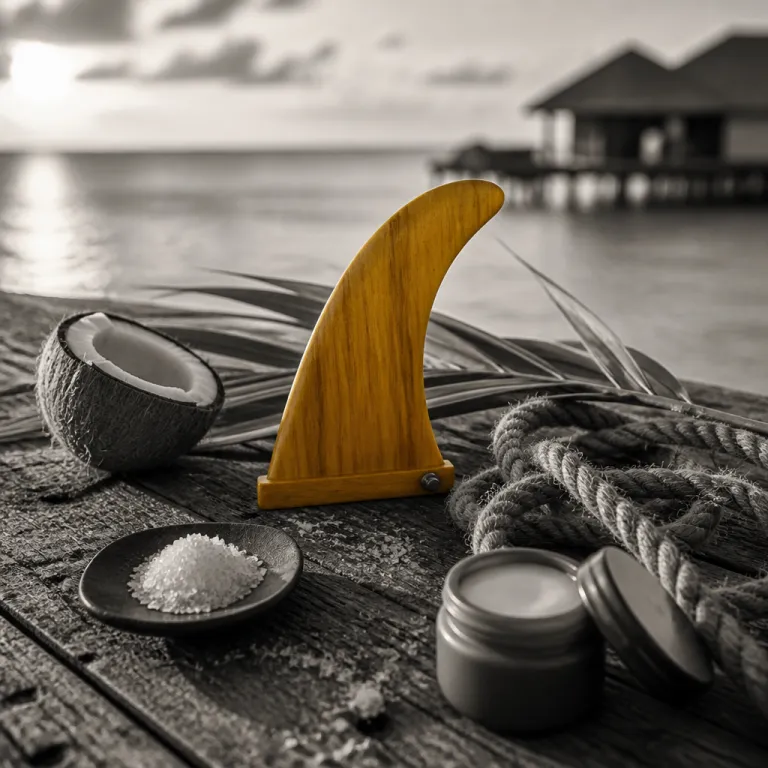
What makes a Maldives surf resort truly exceptional
A refined Maldives surf resort balances world class waves with polished service and thoughtful design. In the Maldives, the best properties for surfing sit on reef fringed islands where the ocean feels close yet the atmosphere remains calm and elegant. Guests arrive for the surf and stay for the sense of time slowing down in warm water that averages about 28 °C (around 82 °F) according to long term climate data from the Maldives Meteorological Service.
Luxury surfing here is defined by easy access to consistent waves and by well considered details on land. Many surf resorts operate dedicated surf charter style boats that shuttle surfers to nearby reef breaks, while non surfers relax by the pool or in tranquil overwater villas. This creates an experience where advanced surfers, intermediate advanced riders, and complete beginners can share the same trip without compromise, with most resorts offering at least two guided surf sessions per day when conditions allow.
In the central atolls and the southern atolls, the best waves peel over coral reefs that are surprisingly forgiving at higher tides. A serious Maldives surf traveller looks for resorts that limit surfer numbers at key surf spots, which protects the quality of the surf and the natural beauty of the reef. When a resort manages capacity well, both solo surfers and family surf travellers enjoy uncrowded lineups, shorter waits between sets, and a more personal connection with the Indian Ocean.
Choosing between Malé atolls, central atolls, and southern atolls
Location shapes every surfing holiday in the Maldives, so your first decision is which atolls to target. Resorts in the Malé atolls offer the shortest transfers and the most famous surf spots, which suits shorter surf trips or a first time surf trip with limited days. Properties in the central atolls and southern atolls trade quick access for quieter breaks, longer swell windows, and a more remote feel, often with fewer boats in the lineup.
In the Malé atolls, Cinnamon Dhonveli stands out because it controls access to Pasta Point, one of the best waves for intermediate advanced surfers who want long left hand walls. Nearby, Cokes Surf Camp sits beside the Cokes and Chickens surf breaks, giving surfers a simple but focused surf experience with powerful waves just a short paddle from shore. Anantara Dhigu Maldives works with Tropicsurf to guide guests to a range of surf spots by boat, which is ideal for mixed ability groups and family friendly holidays that combine lagoon swimming with outer reef sessions.
Further south, COMO Maalifushi in Thaa Atoll is the only resort in its atoll with direct access to several uncrowded surf breaks, making it a strong choice for advanced surfers seeking longer surf trips. EQ Surf Retreat in Meemu Atoll adds an eco luxury angle, pairing high quality surf with sustainability focused operations in one of the quieter central atolls. To compare these regions in more depth, use an atoll by atoll guide for where to stay in the Maldives, such as the detailed regional breakdown available in this atoll focused travel resource.
Signature luxury surf resorts and what they really offer
Several names consistently appear when travellers search for the best Maldives surf resort options, and each one serves a slightly different style of trip. Holiday Inn Resort Kandooma Maldives partners with Perfect Wave to offer exclusive surf packages, which means guided sessions, structured surf trips, and logistics handled by a specialist surf équipe. Typical inclusions range from two to three boat trips per day to nearby breaks to shared or private guiding, which suits family surf travellers who want a full service environment with a generous pool, kids activities, and easy boat access to consistent waves.
EQ Surf Retreat positions itself as an eco luxury surfing retreat in Meemu Atoll, where the focus is on small groups, mindful travel, and low impact operations. Here, surfers split their time between chasing swell on a dedicated surf charter style boat and unwinding in minimalist villas that face the open ocean. COMO Maalifushi blends high end wellness with surfing, so a guest might surf powerful but playful waves in the morning and then spend the afternoon in the spa or by a quiet infinity pool, with yoga or massage scheduled around the best tides.
Cinnamon Dhonveli and Anantara Dhigu Maldives both cater to surfers who want structure and comfort without losing a sense of adventure. Cinnamon Dhonveli controls access to Pasta Point, which keeps surfer numbers low and the wave quality high for both advanced surfers and confident intermediates. Anantara Dhigu Maldives, working with Tropicsurf, offers tailored coaching for intermediate advanced guests and complete beginners, while food focused travellers can explore more local flavours through resorts that highlight Maldivian cuisine, as described in this in depth look at resort kitchens that cook local.
Planning the timing of your surf trip and reading the swell
Timing matters as much as choosing the right resort, because the Maldives sit in the path of Indian Ocean swell that shifts through the year. March to November is the peak surf season in many atolls, while surfing remains possible year round if you are flexible with conditions and atoll choice. During the main season, the best waves tend to arrive from long period swells that wrap into the atolls and create clean, mechanical lines over the reefs, especially when winds are light or offshore.
For a first surfing holiday, aim for shoulder months when the swell is still consistent but crowds are lighter, which can mean more waves per surfer and a calmer atmosphere in the water. Families often prefer these periods because the ocean is slightly less intense, making it easier to balance family friendly lagoon time with focused surf sessions. Resorts like Holiday Inn Resort Kandooma Maldives and Anantara Dhigu Maldives can advise on the most suitable weeks for family surf trips, especially when you want both gentle inside waves for children and more powerful outside peaks for experienced surfers.
Travellers curious about the so called green season should understand that rain showers often pass quickly, leaving glassy conditions and dramatic light over the ocean. Some luxury surfing guests deliberately book during these months to enjoy quieter lineups and better value, and a detailed analysis of booking the Maldives in July explains what green season travellers actually get in terms of surf and resort experience here. Whether you choose peak season or shoulder months, confirm with your resort how they handle variable swell, including backup surf spots, flexible boat schedules, and options for non surf days.
How to match your surfing level with the right resort
Not every Maldives surf resort suits every level, so honest self assessment is essential before you book. Advanced surfers usually want faster, hollower waves and are comfortable over shallow reef, which makes places like Cokes, Chickens, and Pasta Point appealing when conditions line up. Intermediate advanced surfers often prefer longer, more forgiving walls where they can refine turns without worrying about heavy closeouts or sharp coral just below the surface, and they may value coaching more than sheer power.
Resorts that partner with experienced operators such as Perfect Wave, Tropicsurf, or established local surf schools tend to manage this matching process well. They group surfers by ability, choose appropriate surf spots for each boat, and adjust the schedule when the swell changes, which protects both safety and enjoyment. Many surf resorts also provide or rent boards, and one of the most common questions from guests is answered clearly in the expert guidance that states, “Do I need to bring my own surfboard? Many resorts provide or rent surfboards; check with your resort.”
Families should look for family friendly properties that explicitly mention family surf or surfing holiday packages, because these usually include lessons in protected water and flexible childcare. A good resort will offer gentle inside reform waves for children and beginners, while still running surf trips by boat to more powerful outer reef breaks for confident surfers. When this balance is right, everyone shares the same ocean based experience, but each person surfs at a level that feels challenging yet safe.
Beyond the waves: elevating your Maldivian surf stay
The most memorable surf trips in the Maldives blend time in the water with thoughtful experiences on land. After long sessions chasing swell across the atolls, returning to a quiet villa, a shaded pool, and attentive service turns a simple surf trip into a restorative escape. Many luxury surfing properties now emphasise sustainability, supporting local communities and protecting the natural beauty of the reefs that create the best waves.
Eco conscious travellers should pay attention to how a resort manages water use, waste, and energy, because these choices directly affect the health of the surrounding ocean. EQ Surf Retreat, for example, builds its identity around eco luxury, while other resorts integrate coral gardening, reef monitoring, and partnerships with Maldivian marine biologists into their daily activity. When you choose a resort that invests in the environment, your surfing holiday contributes to the long term health of the surf breaks and the broader Indian Ocean ecosystem.
Finally, remember that a Maldives surf journey is also about culture and connection, not only about counting waves. Take time to talk with local staff about island life, sample Maldivian dishes that go beyond international buffets, and watch the sunset from a quiet sandbank after the last boat returns from the surf spots. These small moments turn a technically excellent resort stay into an amazing, human centred experience that lingers long after the final flight home.
Key figures for Maldives surf resorts and tourism
- According to the Maldives Ministry of Tourism, there are now more than 170 resort islands across the country, and a focused subset of these market themselves as dedicated surf resorts or surf friendly properties for travellers planning a surfing holiday.
- Average water temperature in the Maldives sits near 28 °C (about 82 °F) based on Maldives Meteorological Service climate normals, creating warm conditions that allow comfortable, year round surfing without thick wetsuits.
- Annual tourist arrivals reached approximately 1.8 million visitors in 2023 according to Maldives tourism statistics, and a growing share of these travellers now book surf trips or combine surfing with general leisure stays.
- Peak surf season from March to November in many atolls aligns with the most consistent Indian Ocean swell, so surf charter style operations often increase boat schedules during these months to maximise wave counts for guests.
- Increased demand for eco friendly surf resorts has encouraged more properties to adopt sustainable practices, which supports both reef health and long term return on investment for the national tourism strategy.
FAQ about booking a Maldives surf resort
When is the best time to surf in the Maldives ?
March to November is the peak surf season in many atolls, when Indian Ocean swell is most consistent and the best waves wrap into the reefs. Outside these months, surfing remains possible year round, but conditions vary more between regions. Travellers who value quieter lineups sometimes choose shoulder or green season windows for their surf trips, accepting more variable swell in exchange for fewer people in the water.
Do I need to bring my own surfboard ?
Many surf resorts in the Maldives provide or rent surfboards, including shortboards, funboards, and longboards. Performance focused surfers with specific preferences often bring their own boards, especially for powerful surf breaks in the Malé atolls and central atolls. Always confirm quiver availability, sizes, and rental costs with your resort before finalising your trip so you know whether to travel with one board or a full quiver.
Are there surf spots suitable for beginners and families ?
Yes, several resorts offer lessons and gentle surf spots for beginners, often inside protected lagoons or at softer reef breaks. Family friendly properties design family surf programmes that combine coaching, safety briefings, and gradual exposure to deeper water. This allows children and new surfers to gain confidence while more experienced family members chase larger waves nearby, often on separate boats or at different times of day.
How far are the surf breaks from most resorts ?
Distance to the surf spots varies by atoll and by individual resort, ranging from a short paddle out front to a 10–40 minute boat ride. Resorts that market themselves as dedicated surf resorts usually include multiple daily boat transfers to nearby breaks in their packages. When comparing options, ask how many surf trips per day are included, whether dawn patrol or sunset sessions are possible, and how they adjust schedules when the swell changes.
Is surf tourism in the Maldives environmentally sustainable ?
Many leading resorts now integrate eco friendly practices, such as waste reduction, renewable energy, and reef conservation projects. Eco focused properties like EQ Surf Retreat and COMO Maalifushi emphasise low impact operations and support for local communities. When booking, review each resort’s sustainability policy and marine conservation work to ensure your surfing holiday aligns with your environmental values.