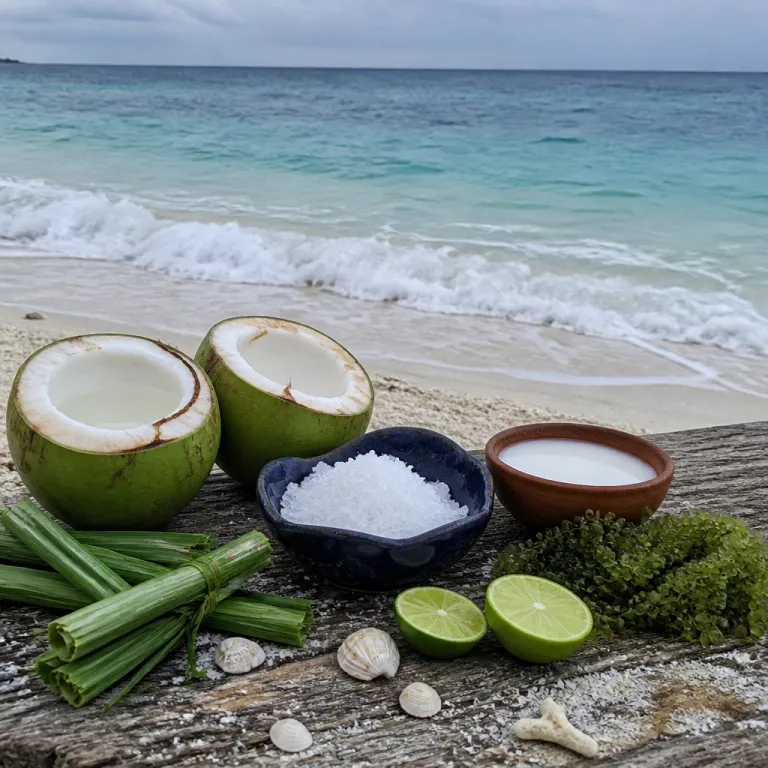
Why maldives green season August September travel suits the executive traveller
For a business traveller stretching a board meeting into a long weekend, Maldives green season August September travel quietly offers the best arithmetic. Room rates at serious luxury properties across the Maldives often fall by 30 to 60 percent in this low season, turning top villa categories into rational rather than indulgent choices. When you visit the Maldives in this window, you trade a slightly rainier season for warmer service, emptier islands and a calmer pace that suits a jet lagged executive.
The weather in these months is shaped by the southwest monsoon, which brings a mix of warm sunny spells and short rainy bursts rather than a continuous wall of water. Data from the Maldives Meteorological Service (Malé climate normals, 1991–2020) and regional summaries such as Weather Atlas show average daytime temperatures around 28 °C, with the air feeling hot but rarely oppressive thanks to the ocean breeze. The Maldives Marketing and Public Relations Corporation, which oversees the official tourism portal, summarises it clearly in its green season guidance; “Is August a good time to visit the Maldives? Yes, for fewer crowds and lower prices.”
On a typical day in August or September, you might wake to a brief rainy squall, watch it clear in twenty minutes, then spend the rest of the time between meetings in bright, filtered light that flatters the lagoon. This is not the classic dry season of December to April, yet the islands remain warm, the sea stays inviting and the sky delivers drama that photographers chase. For travellers who usually default to the so called best time of November to April, this late monsoon period can feel like a private version of the Maldives, with the same overwater villas and better value.
Weather reality in August and September: what the forecasts do not tell you
Forecast apps often paint August and September in the Maldives as a solid block of rainy icons, which scares off first time visitors. The reality on the islands is a pattern of passing showers, with around seventeen rainy days in August but many of those delivering only short, intense bursts. September sees roughly 243 millimetres of rainfall, yet the warm weather and quick clearing skies mean you still enjoy long stretches of beach time.
Think of this green season as a cinematic backdrop rather than a washout, with clouds stacking over the atolls while the lagoon stays warm and glassy. When you visit the Maldives during August and September, you will often watch a dark band of rain sweep across a neighbouring island while your own deck remains dry and sunlit. Resorts quietly plan around this, shifting yoga from the jetty to a breezy pavilion for one session, then returning you to the sand the next day when the weather swings back to warm sunny conditions.
For executives used to rigid city schedules, this slightly unpredictable rainy season can feel liberating, because the resort team flexes the day around the sky. A morning snorkel might move to late afternoon, when manta rays and whale shark silhouettes glide under your villa, while a working lunch shifts indoors for twenty minutes of rain and then back out. If you are curious about how local life adapts beyond the resort bubble, a side trip to Maafushi on a local island cruise shows how residents treat a rainy day as just another part of the year, a perspective captured in depth in this guide to local island travel in the Maldives.
Marine life in green season: manta rays, whale sharks and serious diving
The strongest argument for Maldives green season August September travel is underwater, not on the balance sheet. From June through November, plankton rich currents turn certain atolls into feeding arenas, making this the best time of the year to swim with manta rays and, in specific channels, whale sharks. Hanifaru Bay in Baa Atoll is the headline act, where on the right day more than one hundred mantas spiral through a single bay while a few whale sharks cruise the edges.
August and September sit at the heart of this marine spectacle, with many dive teams quietly calling these months best for serious encounters. When you visit the Maldives in this period, you trade the postcard flat seas of the dry season for slightly livelier water, but the reward is a higher probability of seeing manta rays barrel roll above you. This is also a strong time to visit if you care about conservation, because many of the leading islands work closely with marine biologists who use the low season to run research dives with guests.
For executives flying in from major hubs, the calculation is simple; the same flight time, the same resort, yet a richer underwater agenda. If you are planning how many days to stay, factor at least three full days on the islands purely for diving or snorkelling, separate from any meetings or laptop time. To understand how long the journey will take from your nearest luxury gateway, this practical guide to flight times to the Maldives helps you decide whether a long weekend or a full week makes sense for your schedule.
Pricing, value and the executive ROI of travelling in low season
From a pure numbers perspective, Maldives green season August September travel is the most efficient way to experience high end islands. Between May and November, many resorts quietly reduce rates by 30 to 60 percent compared with the peak dry season of December to April, with September often emerging as the cheapest month of the year. For a seven night stay in a pool villa, that can mean savings of several thousand dollars, which you can redirect into seaplane transfers, private cruises or extended spa time.
Executives used to reading ROI tables will appreciate how this low season pricing reshapes the decision. The same villa that feels extravagant in November April suddenly becomes a rational choice in August September, especially when you factor in the enhanced marine life and fewer guests. You are not compromising on service either; with lower occupancy, the staff to guest ratio quietly improves, and the team has more time to personalise each day.
There is also a strategic advantage in booking during this time of year if your calendar is flexible outside school holidays. You can often secure last minute upgrades, better positions on the sunset side of the islands and more favourable cancellation terms. For those comparing months best for a first visit, July and the surrounding July August period can still be attractive, but the sweet spot for value and manta activity usually sits between September October, with August September often delivering the best balance of price, weather and wildlife.
Choosing the right island: atolls, surf breaks and resort character in green season
Not every island in the Maldives behaves the same way during the green season, so your choice of atoll matters. In the central atolls near Malé, such as North and South Malé Atoll, August and September bring consistent surf on the outer reefs, making this the best time for executives who want to pair meetings with morning waves. Properties near established breaks like Sultans and Honkeys often run dawn patrol boats, allowing you to surf for two hours and still be back at your desk by nine.
Further north in Baa Atoll, the focus shifts from surf to manta rays and whale shark encounters, especially around Hanifaru Bay. Here, Maldives green season August September travel aligns perfectly with the feeding season, and many resorts design their daily schedule around the tide and plankton forecasts. If you prefer a quieter island with a strong house reef rather than a heavy activity programme, look for properties that highlight their marine biology team and reef access rather than only their villa hardware.
For a deeper sense of how the luxury landscape is evolving across the islands, this analysis of the next wave of Maldivian luxury shows which brands are investing in design, sustainability and service. When you visit the Maldives in low season, you often experience these new openings before the peak crowds of November December and October November arrive. That early access, combined with softer pricing and more attentive service, makes this time visit window particularly appealing for travellers who value discretion over scene.
On island rhythm in August and September: service, space and cultural notes
Life on the islands during Maldives green season August September travel feels subtly different from the high season months. With fewer arrivals each day, the pace slows, and you will notice staff taking more time to chat about the weather, the reef and local life between tasks. Restaurant teams can often accommodate off menu requests, and spa therapists may have same day availability, which is rare in December April when every slot is booked weeks ahead.
This is also a more intimate time of year to connect with Maldivian culture, especially around national events. Independence Day falls in mid July, and while that sits just before the core August September window, the sense of pride and celebration often lingers in the stories staff share about their home islands. Visiting in this broader July August period or slightly later in September October allows you to see how the country balances tourism with its own rhythms, from school terms to fishing seasons.
For executives who value privacy, the lower occupancy of the rainy season means more empty beaches, quieter pools and less competition for the best sunset spots. You can schedule a private cruise at short notice, secure a late checkout without drama and enjoy a working day on your deck without hearing the next villa. The weather may shift between warm sunny spells and brief rainy showers, but the overall experience feels more spacious, more personal and, for many, closer to the best version of the Maldives.
Planning your itinerary: months, routes and practical green season strategy
When you plan Maldives green season August September travel, think in terms of months and micro seasons rather than a single block. July often marks a slightly wetter phase, yet it can still be a good time to visit if your priority is surf and you are comfortable with more frequent rainy spells. By August September, the pattern usually settles into a rhythm of short showers and long warm sunny intervals, with strong manta activity and softer pricing.
As you move towards September October and then into October November, the weather gradually transitions towards the drier pattern that defines the classic best time of November April. Rates begin to climb again as you approach November December and then peak around December, when the combination of holidays and the start of the dry season drives demand. For many executives, the rational window sits squarely in late August and September, when the islands are quieter, the weather remains warm and the marine life is at its most theatrical.
On the practical side, pack light rain gear for boat transfers and seaplane days, because a brief rainy squall can sweep through even on an otherwise clear day. Build at least one buffer day into your itinerary in case weather delays a domestic flight or cruise, especially if you are connecting directly back to a long haul route. If you structure your time visit carefully, this time of year allows you to experience the Maldives with fewer compromises, better value and a sense that the islands are operating at a pace that suits you rather than the other way around.
Key figures for green season travel in the Maldives
- Average daytime temperatures in August and September sit around 28 °C across the Maldives, keeping the sea warm enough for long snorkelling sessions without a wetsuit (Maldives Meteorological Service, climate normals for Malé, 1991–2020; Weather Atlas, regional climate data for Malé, accessed March 2024).
- September records roughly 243 millimetres of rainfall on average, yet this is spread across short, intense showers rather than continuous rain, allowing for many usable beach hours each day (Maldives Meteorological Service, monthly rainfall statistics for Malé, 1991–2020; Weather Atlas, climate overview, accessed March 2024).
- August typically sees around seventeen days with some rain, but many of these involve brief squalls that clear quickly, which is why resorts still market this as a viable beach season (Maldives Meteorological Service, historical observations for the southwest monsoon period, 1991–2020 baseline).
- Green season rates between May and November often run 30 to 60 percent below peak pricing, translating into savings of several thousand dollars on a seven night stay in a high end villa at leading resorts (aggregated resort pricing comparisons compiled in 2023 from publicly available rate data).
- Manta ray and whale shark encounters peak between June and November in key atolls such as Baa and South Ari, making August and September statistically strong months for in water sightings compared with the drier months of December to April (Maldivian marine research organisations and Hanifaru Bay monitoring programmes, seasonal reports 2019–2023).
FAQ about August and September travel in the Maldives
Is August a good time to visit the Maldives for a first trip ?
Yes, August is a good time to visit the Maldives if you value fewer crowds, lower prices and rich marine life more than guaranteed blue skies every day. You should expect warm weather with short, sometimes heavy showers that usually clear quickly. For many travellers, the trade off between occasional rain and significant savings makes this one of the best time windows of the year.
What is the weather like in September in the Maldives ?
September in the Maldives is warm, humid and changeable, with a mix of sunshine and brief, intense rain showers. Average temperatures hover around 28 °C, and the sea remains comfortably warm for swimming and diving. This month sits in the heart of the green season, so you should pack light rain gear but still plan for plenty of outdoor time.
Are resorts cheaper during the green season in August and September ?
Resorts across the islands generally offer lower rates during the green season, which includes August and September. Discounts of 30 to 60 percent compared with peak dry season pricing are common, especially for longer stays and higher villa categories. These months are often the most cost effective time of year to experience premium properties without compromising on service.
Will rain ruin my trip if I travel in August or September ?
Rain is part of the experience in August and September, but it rarely ruins a well planned trip. Showers tend to be short and intense, with long warm sunny gaps between them, so most days still allow for beach time, snorkelling and cruises. Resorts are used to this rainy season pattern and adjust activities flexibly, moving yoga, dining and excursions around the passing squalls.
Is August or September better for seeing manta rays and whale sharks ?
Both August and September are strong months for manta rays and whale sharks, especially in atolls like Baa and South Ari. Many marine biologists and dive centres consider this period among the months best for reliable sightings, thanks to plankton rich currents. If your priority is the most intense manta aggregations, late August into September often offers an excellent balance of conditions, though exact timing can vary from year to year.