Maldives Climate in February for Luxury Hotel and Resort Stays
Maldives climate in February for luxury hotel stays
The Maldives climate in February is at its most stable and indulgent for high-end travellers. During this dry-season month, the average daytime temperature usually sits around 28 to 30 °C, with the average night temperature only a few degrees lower and the Maldives weather typically calm and bright. For guests planning a premium resort stay, this is often considered the best time to visit because each day feels made for lagoon swimming, private pool relaxation, and effortless island transfers.
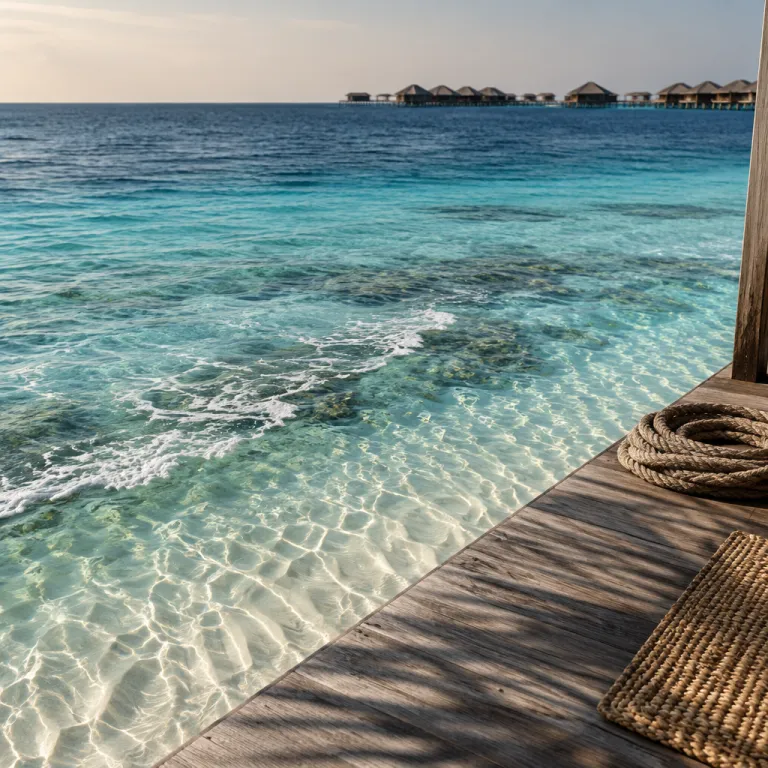
Across the Maldives, February brings long hours of sunshine and low rainfall, so conditions are ideal for uninterrupted beach time and overwater villa stays. The sea water temperature generally hovers near 28 °C, which means that water sports such as paddleboarding, jet skiing, and sailing feel comfortable from morning to evening throughout the month. When you visit the Maldives in this period, you can usually expect light breezes, gentle seas, and clear horizons, which all help seaplane and speedboat transfers run on time and keep luxury itineraries smooth.
For travellers comparing the Maldives climate in February with other times of the year, this month sits firmly in the dry northeast monsoon, unlike the wetter spells that can appear from October to November or from July to August. While November to December can still be pleasant, showers are more frequent, and the sea can be choppier for long-distance travel between atolls. By contrast, February in the Maldives offers some of the best weather of the year, and many repeat guests plan their visit around this window because it balances comfortable temperature, low humidity, and excellent visibility for snorkelling and scuba diving.
Choosing the best places to stay in February
When you plan to visit the Maldives in February, choosing the right island and resort is as important as understanding the climate. Calm seas and predictable Maldives weather make it easier to reach more remote atolls, so this is a great time to consider private island retreats with longer seaplane transfers. Many luxury travellers look for the best places to stay where every villa faces the sunset, the water is shallow and clear, and the average distance from reef to shore is short enough for effortless snorkelling.
In the capital region around Malé, February brings clear skies and warm temperatures, but the atmosphere is busier, with more domestic travel and day trips. Guests who prefer quieter places to visit often look to South Ari Atoll, where islands such as Dhigurah combine local culture with access to premium resorts and world-class marine life. For a refined local island experience with easy access to whale shark excursions and water sports, many travellers research a Dhigurah island escape in South Ari, pairing it with a few nights in an ultra-luxury private island for the best of both worlds.
Because February conditions are so favourable, many high-end properties introduce curated tour packages that combine several islands in one itinerary. You might start with a resort close to Malé for a short first day, then transfer to a more distant island once you are rested and ready for longer boat or seaplane travel. This month is also ideal for guests arriving from India, as flight schedules from major Indian cities such as Mumbai, Delhi, and Bengaluru align well with check-in times, reducing waiting time at the airport and allowing you to reach your chosen places to visit before sunset.
Water, marine life and activities in February Maldives
For lovers of the ocean, February offers some of the clearest water conditions of the year. Light winds and low rainfall mean that the sea stays calm, visibility is excellent, and the average water temperature remains inviting for long swims and snorkelling sessions. Many luxury resorts schedule their signature water sports programmes around this period, knowing that guests can comfortably spend most of the day in or on the water.
Maldives February water temperature for snorkeling and diving is especially appealing. The combination of warm water and stable Maldives weather in February creates ideal conditions for exploring marine life on both house reefs and outer reefs. Scuba diving operators often highlight this month as one of the best times to see reef sharks, turtles, and schooling fish, with early morning dives offering especially clear views. If you plan to visit the Maldives for manta ray or whale shark encounters, South Ari and certain atolls in the central region are prime places to visit, and expert guides will tailor each tour to the day’s currents and visibility.
Guests who prefer surface-level water sports also benefit from February Maldives conditions, as kayaking, stand-up paddleboarding, and sailing are usually possible from sunrise to sunset. To structure your stay, consider alternating active days with slower ones, using one day for scuba diving or a full-day tour and the next for spa treatments and private dining. One guest described a favourite rhythm as “dive at dawn, nap after breakfast, then a slow sunset sail,” a pattern many travellers adapt after consulting a refined guide to essential things to do in the Maldives and tailoring the suggestions to the specific island and resort they have chosen.
Comparing February with other months of the year
When evaluating the Maldives climate in February, it helps to compare this month with other key periods of the year. The dry season generally runs from late November to April, but conditions vary between months, and each window suits a different style of luxury travel. February and March usually offer the most consistent sunshine, while late March and April can feel slightly warmer and more humid, with a higher average temperature but still excellent beach weather.
By contrast, July and August fall within the wetter southwest monsoon, when showers are more frequent and seas can be rougher, which may affect seaplane schedules and long boat transfers. Some travellers still choose July and August for lower rates and a softer light for photography, but if your priority is flawless weather and calm water, February Maldives conditions are usually superior. The shoulder periods of October and November and again in November and December can bring a mix of sunshine and showers, which suits flexible travellers but may not be the best time for once-in-a-lifetime honeymoons.
For guests arriving from India, aligning your travel month with school holidays and long weekends is also important, especially when booking premium tour packages. Many Indian cities have peak outbound travel during late April and May, which can make flights busier even if the Maldives weather is shifting towards the wetter season. By choosing February dates instead, you often secure better flight times, smoother connections through Malé, and a higher chance that every day of your stay delivers the kind of climate that justifies a luxury investment.
Planning luxury tours, packages and daily rhythms
Because the Maldives climate in February is so reliable, luxury travellers can design more ambitious itineraries that combine several islands and experiences in a single trip. High-end tour operators and resort concierges often curate multi-stop tour packages that include private seaplane charters, yacht transfers, and personalised excursions. When the weather in February is calm, these complex journeys become smoother, and the average travel time between remote atolls feels shorter and more comfortable.
To make the most of each day, consider structuring your time around the natural rhythm of light and temperature. Early morning is usually the best time to schedule scuba diving or longer water sports sessions, when the sun is softer and marine life is most active around the reefs. Midday, when the temperature peaks, is ideal for spa rituals, shaded pool cabanas, or in-villa dining, while late afternoon and early evening are perfect for sunset cruises, sandbank picnics, or a gentle tour of nearby islands.
Many premium resorts in the Maldives offer tailored packages for guests arriving from India, often bundling flights, transfers, and curated experiences into seamless tour packages. These arrangements can include special rates for longer stays in February and March, when the Maldives weather is at its best and the sea is calm enough for extended yacht charters. When you plan your time to visit, speak with the resort’s concierge team about your priorities, whether that is marine life encounters, wellness, gastronomy, or privacy, so they can align each day and each island stop with the climate advantages of this particular month.
Choosing the right atoll and resort for February stays
Selecting the right atoll is crucial when you are investing in a luxury stay during the Maldives climate in February. While the overall weather is excellent across the archipelago, subtle differences in currents, reef orientation, and distance from Malé can shape your experience. Guests who value quick access after a long-haul flight may prefer North or South Malé Atoll, where speedboat transfers keep total travel time short and allow you to be in the water within hours of landing.
Travellers seeking more seclusion often look to outer atolls such as Gaafu Alifu, where properties like The Residence Maldives at Falhumaafushi offer expansive lagoons and rich marine life. In February Maldives conditions, the long seaplane journey to such remote islands is usually smooth, and the reward is quieter beaches, less boat traffic, and some of the best places for uninterrupted stargazing and reef exploration. These islands often sit close to deep channels, which attract pelagic species and make scuba diving particularly rewarding during the dry season.
Typical seaplane transfer times Malé to Gaafu Alifu range from about 60 to 90 minutes, depending on routing and intermediate stops, and many flights operate only during daylight hours. When comparing options, consider how each resort uses the favourable Maldives weather in February to enhance guest experiences. Some focus on elaborate overwater dining, others on curated wellness programmes that blend sunrise yoga with sunset cruises, and many on tailored water sports that take advantage of calm seas. If you are travelling from India or other nearby countries, look for packages that include flexible check-in and check-out times, allowing you to align your arrival day, your departure day, and your chosen month with the most comfortable temperature and the least stressful connections through Malé International Airport.
Key figures on Maldives climate and travel patterns
- According to the Maldives Meteorological Service’s monthly climate summaries, the average daytime air temperature in February typically ranges from 28 to 30 °C across the central atolls, which is slightly cooler and less humid than April, when pre-monsoon heat begins to build.
- Climatological records from the Maldives Meteorological Service’s climate normals indicate that February is among the driest months, with average rainfall often below 75 millimetres, compared with more than 200 millimetres in some weeks of the southwest monsoon.
- Sea surface temperature data from the National Oceanic and Atmospheric Administration’s global SST monitoring show that the water around the Maldives usually remains close to 28 to 29 °C in February, providing ideal conditions for snorkelling and scuba diving without thermal discomfort.
- Tourism statistics from the Maldives Ministry of Tourism, such as the Monthly Tourism Highlights 2023, consistently rank February and March among the highest occupancy months for resorts, reflecting strong demand from long-haul markets and regional travellers seeking the best time to visit for stable weather.
- Flight schedule analyses from major Indian carriers and data summarised in the Maldives Ministry of Tourism’s Annual Tourism Yearbook 2023 indicate that routes from India to Malé experience increased frequency around peak holiday periods, but February often offers a balance of good availability and manageable fares for premium cabins.
FAQ about Maldives climate in February for luxury stays
Is February a good time to visit Maldives for a luxury holiday ?
February is widely regarded as one of the best times to visit the Maldives for high-end stays because it falls in the dry season, with low rainfall, calm seas, and an average temperature around 28 to 30 °C. These conditions are ideal for overwater villas, private yacht charters, and full-day excursions. Many luxury resorts report some of their highest guest satisfaction scores during this month.
How warm is the water in the Maldives in February ?
The sea water temperature around the Maldives in February usually stays close to 28 to 29 °C, which feels comfortably warm for long swims and snorkelling. This stable water temperature is perfect for water sports such as paddleboarding, kayaking, and sailing, as well as for extended scuba diving sessions. Visibility is often excellent, making this month particularly attractive for guests focused on marine life encounters.
Are there many rain showers in February in the Maldives ?
Rainfall in February is generally low compared with wetter months like July and August or October and November. Short showers can still occur, but they tend to be brief and are often followed by clear skies and strong sunshine. For luxury travellers who value uninterrupted beach days and reliable transfer schedules, this reduced rainfall is a major advantage.
How does February compare with March and April for Maldives travel ?
February, March, and April all fall within the dry season, but February usually offers slightly cooler and less humid conditions than late March and April. By April, the air temperature and humidity can feel higher, although the weather often remains suitable for beach holidays. Many repeat visitors choose February or early March as the best time to balance comfort, sunshine, and calm seas.
Is February a good month for scuba diving and snorkelling in the Maldives ?
February is an excellent month for scuba diving and snorkelling because the Maldives climate in February supports clear water, calm surface conditions, and good visibility on the reefs. Many dive centres highlight this period as prime time for seeing reef sharks, turtles, and schooling fish, especially on early morning dives. Snorkellers also benefit from gentle currents and warm water, making it easy to spend long periods exploring house reefs directly from their resort.
Practical logistics for luxury travellers in February
For high-end visitors, February is one of the busiest months, and resort occupancy can exceed 80 percent in many atolls, so advance booking is essential for top suites and private villas. Nightly rates at five-star properties are often at their seasonal peak, especially around Valentine’s Day, and premium all-inclusive packages, private yacht charters, and seaplane transfers can add significantly to the overall budget.
Most nationalities receive a 30-day visa on arrival when entering the Maldives for tourism, provided they hold a valid passport, confirmed accommodation, and proof of onward travel. Health and entry requirements can change, so it is wise to check official guidance shortly before departure. To streamline the journey, many luxury travellers arrange fast-track services at Malé International Airport, coordinate seaplane schedules with their international flights, and pre-book private lounges or speedboat transfers to match the predictable February weather.
