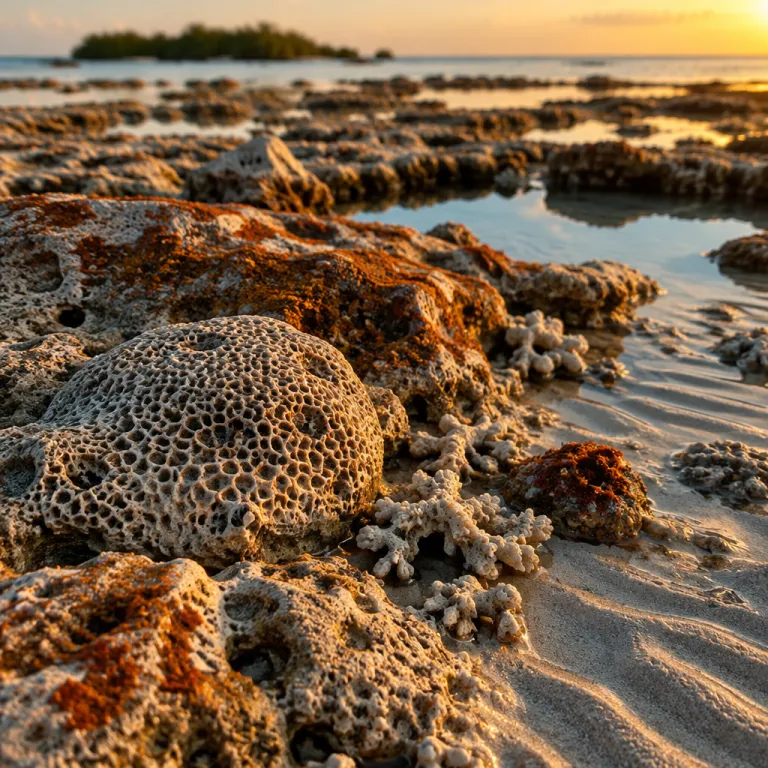
The essence of Baa Atoll in the Republic of Maldives
Baa Atoll in the Republic of Maldives is where serious travelers quietly raise their standards. This atoll in the heart of the Indian Ocean combines a protected UNESCO Biosphere Reserve with some of the most sophisticated Maldives resort addresses, creating a rare balance between barefoot ease and elevated service. Within this Maldivian setting, every island and resort feels curated rather than crowded.
The location of Baa Atoll places it on a migratory route for manta rays, making it one of the most reliable places on earth to swim alongside a manta or even several manta rays in a single outing. Its biosphere reserve status is not a marketing flourish; it is a formal recognition under the UNESCO Man and the Biosphere Programme that protects coral reefs, seagrass meadows, and the wider network of Indian Ocean biosphere reserves. When you book a Maldives resort stay here, you are entering a living laboratory of marine conservation rather than a generic beach destination.
Many travelers first hear of Baa Atoll through the name Hanifaru Bay, the most famous site within the UNESCO Biosphere Reserve. Here, plankton-rich currents attract manta rays and whale sharks in numbers that have made the bay a global reference for marine encounters in the Republic of Maldives. Strict rules govern access, and only a limited number of guests from each Maldives resort or high-end island property can enter at a time, which keeps the experience intimate and the environmental impact low.
From the air, the profile of Baa Atoll is a scatter of emerald islands ringed by pale sandbars and deep cobalt channels. On the water, the view shifts constantly as rays glide below your villa deck and reef fish flash through coral gardens that remain unusually healthy for the Maldives. For travelers comparing Baa with other atolls, this region stands out for how closely luxury, conservation, and high-level service are woven together.
Choosing the right island resort in Baa Atoll
Selecting an island resort in Baa Atoll, Republic of Maldives, starts with clarifying how you like to spend your days. Some islands focus on wellness, with a spa at the heart of the guest experience, while others lean into diving, manta encounters, and high-energy water sports. Because each resort typically occupies its own island, the character of your chosen property will define your entire stay.
On larger islands, you may find several beaches, multiple pools, and a wider choice of restaurants, which suits guests who enjoy variety and a more social atmosphere. Smaller private islands in this Maldivian region feel quieter and more exclusive, with fewer villas, more personalised service, and a stronger sense of retreat. When browsing a luxury booking platform, pay close attention to the island size in hectares, the number of villas, and whether the resort offers both beach and overwater categories.
Price is another key filter, and understanding how costs scale in the Republic of Maldives helps you avoid surprises. Before committing to a resort package in Baa Atoll, it is worth reading a detailed breakdown such as this guide on the true cost of a refined island escape in the Maldives, which explains how transfers, meal plans, and activities add up. In Baa Atoll, seaplane transfers are common, and while they add to the budget, they also deliver a spectacular view of the atoll’s reefs and lagoons from above.
Look for award-winning properties that reference the UNESCO Biosphere Reserve in their sustainability commitments, not just in their marketing language. Resorts such as those on Landaa Giraavaru or other islands in Baa Atoll often publish annual conservation reports, which can be a useful indicator of seriousness. When a property invests in marine biology teams, coral nurseries, and manta ray monitoring, you can expect a richer, more educational experience during your stay.
Where manta rays meet luxury: Hanifaru Bay and beyond
For many guests, the phrase Baa Atoll in the Republic of Maldives is synonymous with manta rays at Hanifaru Bay. This lagoon within the UNESCO Biosphere Reserve is one of the few places where you can reliably see dozens of manta rays feeding together when conditions align. The experience of entering the water as a manta ray glides past within a few metres is both humbling and unforgettable.
Access to Hanifaru Bay is tightly regulated to protect the biosphere reserve, and only licensed operators from selected Maldives resorts can bring guests. When comparing resorts in Baa Atoll, ask how often they run trips to the bay, what their typical group sizes are, and whether a resident marine biologist accompanies the excursions. A high-quality operator will brief you on manta behaviour, explain why flash photography is banned, and show how conservation rules shape the encounter.
Outside Hanifaru, the wider atoll offers many other manta and ray hotspots, often closer to your chosen island resort. Channels near Landaa Giraavaru and other islands in this region can host cleaning stations where manta rays circle above coral heads while small fish remove parasites. Some high-end properties schedule early morning or late afternoon snorkels to these sites, timing the tides and currents for the best chance of sightings.
If your travel dates are flexible, consider planning around the peak manta season rather than only school holidays. For nuanced timing advice and rate patterns, resources such as this analysis of shoulder season diving at lower rates in the Maldives can be particularly useful. In Baa Atoll, the interplay between plankton blooms, moon phases, and wind direction shapes manta encounters, so a specialist travel advisor or a well-curated booking website can help you align your stay with nature’s calendar.
Landaa Giraavaru and the art of high end conservation
Among the islands of Baa Atoll, Landaa Giraavaru has become a reference point for how luxury and conservation can reinforce each other. The island’s Maldives resort, often described as a seasons-style property, sits within the core of the UNESCO Biosphere Reserve and has invested heavily in marine science. Guests can visit on-site laboratories, coral nurseries, and turtle rehabilitation pools, turning a beach holiday into a meaningful learning experience.
The location of Landaa Giraavaru within Baa Atoll means that manta rays and other rays are frequent visitors to nearby reefs. Guided snorkels with marine biologists help guests understand how the UNESCO designation shapes fishing rules, anchoring policies, and reef protection measures. This level of interpretation transforms a simple manta ray sighting into a deeper appreciation of the atoll’s biosphere and its fragile balance.
On land, the resort’s spa and wellness facilities are designed to frame the natural view rather than compete with it. Treatment pavilions often sit above the lagoon, so you may see rays gliding below while enjoying a massage or a traditional therapy session. The combination of a high-calibre spa, a pristine beach, and serious conservation work has made Landaa Giraavaru one of the most award-winning names in the Republic of Maldives.
For travelers comparing islands within Baa Atoll, Landaa Giraavaru illustrates how an island resort can be both indulgent and responsible. The property’s participation in regional biosphere initiatives, including manta identification programs and coral spawning research, benefits the wider Maldivian ecosystem. When a booking website highlights such projects clearly, it becomes easier for guests to choose stays that align with their values without sacrificing comfort.
Designing a private island experience in Baa Atoll
One of the defining luxuries of Baa Atoll in the Republic of Maldives is the possibility of a genuinely private island experience. Because each resort occupies its own island, even larger properties can feel secluded, especially when villas are spaced generously along the beach or over the lagoon. For guests seeking privacy, the key is to look beyond headline photos and study villa layouts, jetty positions, and prevailing wind directions.
Beach villas in Baa Atoll often offer the most direct connection to the surrounding biosphere, with soft sand at your doorstep and mature vegetation providing natural screening. Overwater villas, by contrast, place you directly above the lagoon, where manta rays and other rays may occasionally pass beneath your deck. In both cases, the view and orientation matter; a west-facing villa in this Indian Ocean setting will deliver sunset colours, while an east-facing one offers softer morning light.
High-end resorts in Baa Atoll typically offer several levels of privacy, from standard villas to private-reserve-style residences with multiple bedrooms, pools, and dedicated staff. These larger units are ideal for families or groups who want to share an island holiday without sacrificing personal space. When browsing a Maldives resort listing, look for terms such as “residence”, “retreat”, or “private reserve”, and check whether the property offers separate arrival jetties or in-villa check-in for a smoother, more discreet arrival.
Service style also shapes the private island feeling. Some resort teams assign a dedicated butler or “host” to each villa, coordinating everything from manta excursions to spa bookings and beach picnics. Others rely on a more traditional concierge model, which can suit independent travelers who prefer to plan their own days within the UNESCO Biosphere Reserve environment of Baa Atoll.
What to expect from service, wellness, and dining in Baa Atoll
Service standards in Baa Atoll, Republic of Maldives, tend to sit at the upper end of the regional scale. Many properties here compete in the same space as globally recognised seasons-style brands, which raises expectations for training, language skills, and response times. Guests booking through a curated platform can usually expect pre-arrival questionnaires, personalised itineraries, and swift handling of special requests.
Wellness is a central pillar of the experience, with most Maldives resorts in Baa Atoll offering a spa that blends local traditions with international therapies. Treatment menus often reference the surrounding marine environment, using coconut, seaweed, and sand-based scrubs, while yoga pavilions are positioned to capture the best view of sunrise or sunset. Some award-winning resorts also integrate visiting practitioners, medical wellness programs, and multi-day retreats that align with the calm rhythm of the islands.
Dining in Baa Atoll reflects both the isolation of the Maldivian setting and the creativity of modern resort kitchens. Fresh seafood is a constant, but you will also find refined Middle Eastern, Japanese, and Mediterranean menus, often supported by serious wine cellars and skilled sommeliers. For a deeper understanding of how service nuances separate good from exceptional, resources such as this analysis of what truly defines a five star stay in the Maldives can help you interpret marketing language before you book.
Many Baa Atoll resorts now weave conservation into the guest journey, inviting you to join coral planting sessions, turtle releases, or manta ray identification workshops. These activities are not only enriching; they also support the wider UNESCO Biosphere Reserve objectives that protect Baa Atoll’s reefs and beaches. When a property can show tangible results from such programs, it signals a mature approach to sustainability rather than a superficial gesture.
Planning, transfers, and practical details for Baa Atoll stays
Reaching Baa Atoll in the Republic of Maldives usually involves a domestic hop after your international flight lands in Malé. Most high-end resorts arrange seaplane transfers directly to their islands, turning the journey into a scenic introduction to the atoll’s lagoons and reefs. Flight times vary with location and weather, but you can generally expect around 30 to 45 minutes in the air.
When planning, consider how your arrival and departure times align with seaplane operating hours, as these flights do not run late at night. If your long-haul flight arrives too late for a same-day transfer, you may need to overnight in the capital before continuing to Baa Atoll the next morning. A good booking website or travel advisor will flag these timing issues early, helping you avoid unnecessary stress at the start or end of your island holiday.
Packing for Baa Atoll is straightforward, but a few details can enhance your experience in this Indian Ocean setting. Lightweight clothing, reef-safe sunscreen, and a good underwater camera are obvious, yet many guests forget polarised sunglasses, which dramatically improve your view of rays and reef life from boats and jetties. If you plan to spend significant time with manta rays or exploring the biosphere reserve, consider bringing your own mask and snorkel for comfort and fit.
Finally, remember that you are entering a UNESCO Biosphere Reserve where conservation rules are taken seriously. Respect guidelines on drone use, reef touching, and wildlife interaction, and choose excursions that align with UNESCO principles rather than chasing the most dramatic photo. By doing so, you help ensure that Baa Atoll in the Republic of Maldives remains a place where high-end hospitality and thriving marine life can coexist for future travelers.
Key figures and statistics about Baa Atoll and the Maldives
- The Maldives consists of 26 natural atolls and more than 1,000 islands, with Baa Atoll designated as a UNESCO Biosphere Reserve since 2011 according to UNESCO, highlighting its global conservation importance.
- Hanifaru Bay in Baa Atoll has recorded aggregations of over 100 manta rays at a time during peak feeding events, based on data from the Manta Trust, making it one of the world’s densest known manta feeding sites.
- Tourism contributes over 25% of the Maldives’ GDP and around 60% of its foreign exchange earnings, according to the World Bank, which underlines how critical sustainable resort development is for the national economy.
- Average sea surface temperatures around the Maldives range between 27 °C and 30 °C year round, according to the Maldives Meteorological Service, providing consistently warm conditions for snorkeling and diving in Baa Atoll.
- Coral bleaching events in the Maldives have affected more than 60% of shallow-water corals during severe warming years, according to the International Union for Conservation of Nature (IUCN), which explains why coral restoration projects in Baa Atoll’s biosphere reserve are so prominent.
FAQ about Baa Atoll in the Republic of Maldives
Is Baa Atoll worth choosing over other atolls in the Maldives?
Baa Atoll is particularly compelling if you value marine life, especially manta rays, and want to stay within a UNESCO Biosphere Reserve. The concentration of high-end resorts, serious conservation programs, and reliable manta encounters sets it apart from many other atolls. Travelers seeking both luxury and environmental depth often find Baa a stronger fit than more developed, transit-heavy regions.
When is the best time to see manta rays in Baa Atoll?
Manta ray sightings in Baa Atoll peak when plankton levels are highest, typically between late May and October, though exact timing varies with winds and currents. Hanifaru Bay and nearby channels see the most activity when tidal flows concentrate plankton in the lagoons. For the best chances, coordinate your dates with a resort’s marine biology team, who track conditions in real time.
How long should I stay in Baa Atoll for a first visit?
A stay of five to seven nights usually allows enough time to adjust to the time zone, enjoy several manta or diving excursions, and still have unstructured days on the beach. Shorter trips can feel rushed once you factor in seaplane transfers and weather variability. If you are traveling long haul, leaning toward a full week provides better value for both money and effort.
Do I need to be an experienced diver to enjoy Baa Atoll?
No, many of Baa Atoll’s signature experiences, including Hanifaru Bay, are snorkel-based and accessible to confident swimmers. Resorts offer guided snorkeling, flotation aids, and shallow house reefs that suit beginners. Certified divers will find excellent channel and wall dives, but non-divers can still have a rich marine experience.
Are Baa Atoll resorts suitable for families with children?
Many Baa Atoll resorts are very family friendly, with kids’ clubs, shallow lagoon areas, and tailored activities such as marine biology workshops and gentle snorkeling trips. When booking, check minimum age policies for overwater villas and certain excursions, as safety rules vary. Families often prefer larger islands with more facilities, while couples may gravitate toward smaller, quieter properties.