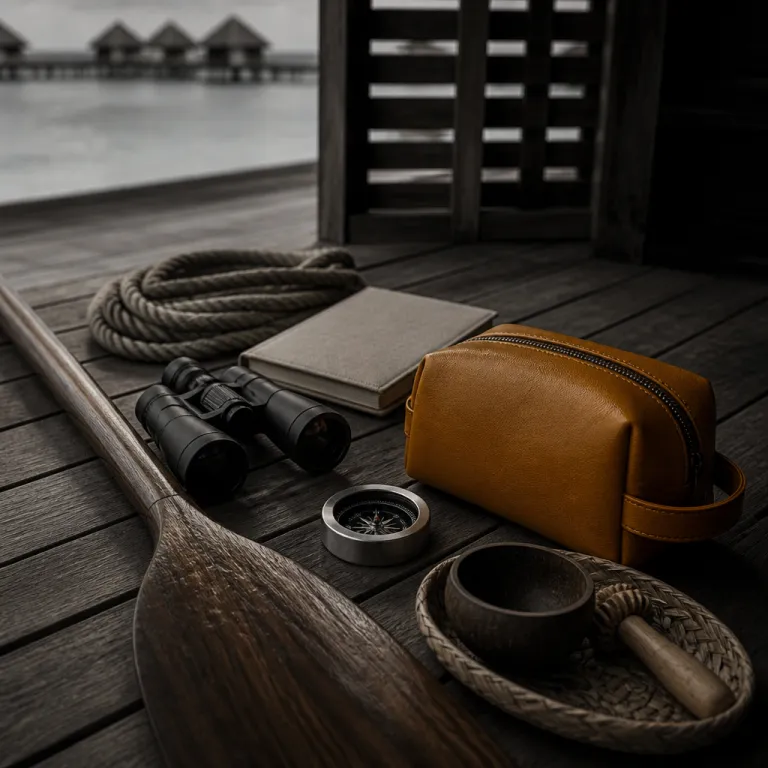
Laamu atoll luxury travel guide in the Maldives
Laamu atoll as a quiet luxury destination in the Maldives
Laamu Atoll lies just south of the central Maldives, a remote arc of islands in the Indian Ocean where lagoon blues shift subtly with every passing cloud. It forms part of the official Maldives administrative structure, and the Laamu Atoll Council oversees both inhabited islands and resort islands to balance development with cultural continuity. Travellers who value understated luxury rather than spectacle will find that this atoll offers rare calm, a strong marine character, and a genuine local welcome.
Geographically, Laamu Atoll stretches across 82 islands, of which only 12 are inhabited and the rest remain uninhabited sandbanks or resort islands wrapped in coral reefs. According to publicly available government statistics and summaries compiled on platforms such as Wikipedia (consulted in 2024), the resident population is just under 20,000 people, which keeps the atoll feeling spacious and uncrowded. This blend of resort islands and local island communities gives Laamu a layered identity that appeals to guests who want both polished hotels and authentic Maldivian life.
Laamu is also recognised internationally for its marine significance, and Mission Blue lists Laamu Atoll as a Hope Spot candidate for its relatively intact ecosystems and cultural heritage (as referenced on Mission Blue’s Hope Spots pages in 2024). That recognition underlines how the atoll’s marine life, seagrass meadows, and coral reefs are not just scenic backdrops for luxury resorts but critical Indian Ocean habitats. When you book hotels or a resort in Laamu Atoll, you are entering a destination where conservation, culture, and comfort are deliberately interwoven.
How to reach Laamu atoll and choose the right luxury resort
Reaching Laamu Atoll usually starts in Malé, the compact capital island of the Maldives where most international flights land. From Malé you connect to a domestic flight on a local carrier that links Malé and Kadhdhoo, flying south across several Maldivian atolls before landing at Kadhdhoo Airport in Laamu. This short hop over the Indian Ocean, typically taking around 35 to 45 minutes of flight time, gives a striking aerial view of reef rims, lagoon pools, and the scattered islands that will frame your stay.
Kadhdhoo Airport is the aviation lifeline for Laamu, and every resort and many local island guesthouses arrange a boat transfer from this location. For guests heading to Six Senses Laamu, one of the leading five star resorts in the atoll, staff meet you on arrival and escort you to a sleek speedboat for the final leg through Laamu’s marine channels, usually a 20 to 40 minute ride depending on sea conditions. Other resorts and hotels coordinate similar transfers, so when you book online always check whether the domestic flight and boat are included in the offer or priced separately, and confirm approximate transfer costs before you finalise payment.
When comparing luxury resorts in Laamu Atoll, focus on three pillars that shape your stay in the Maldives: the marine setting, the style of the resort islands, and the level of engagement with local communities. Six Senses Laamu is an award winning resort known for its overwater villas, strong sustainability ethos, and close partnership with Mission Blue on marine life research and protection, which makes it ideal for travellers who want both indulgence and purpose. For a broader view of experiences such as diving, spa rituals, and curated excursions across the Maldives, consult a dedicated guide to things to do for an unforgettable luxury stay before finalising your booking.
Marine life, Hope Spot status, and what this means for your stay
The marine life of Laamu Atoll is the defining reason many travellers choose this location over more crowded destinations. Laamu’s marine habitats include outer reef walls where pelagic species cruise, inner lagoon coral gardens, and seagrass meadows that shelter juvenile fish and turtles. Because the atoll sits slightly off the main tourist trail, dive sites and snorkelling reefs often feel uncrowded, which heightens the sense of immersion in the Indian Ocean.
Mission Blue’s Hope Spot recognition for Laamu reflects the atoll’s role as a refuge for sharks, rays, and other threatened marine species. Conservation efforts here rely on a combination of locally managed marine areas, research partnerships with Six Senses Laamu, and community engagement led by the Laamu Atoll Council and local schools. Guests who stay at a resort or on a local island can often join guided snorkelling with marine biologists, attend talks on reef ecology, or support citizen science projects that monitor coral health across the southern atoll region.
For travellers comparing Maldivian atolls, Laamu stands out because sustainable tourism is treated as a practical framework rather than a marketing slogan. The Maldives administrative structure gives the atoll council a formal role in planning, while resort islands like Six Senses Laamu translate that into low impact architecture, careful waste management, and education programmes for staff from inhabited islands. If you want to understand how different atolls balance luxury and authenticity, a broader atoll by atoll guide for travellers can help you compare Laamu with better known names such as North Malé or Ari.
Local islands, culture, and the quieter side of Laamu
Beyond the polished resort islands, Laamu Atoll has 12 inhabited islands where around 19,000 people live, work, and fish. These local island communities give the atoll its cultural depth, from traditional fishing practices to mosque architecture and evening gatherings on the harbour seawalls. When you step off a resort boat into a diving village or a small town like Fonadhoo, you encounter the everyday Maldives that most transit passengers in Malé never see.
Several local islands in Laamu now welcome guests in simple hotels and guesthouses, offering a different style of luxury based on time, connection, and access to authentic sites rather than on private pools. Stays on a local island usually cost less than a resort, yet they offer rich experiences such as joining a family for a reef fishing trip, visiting the atoll council offices, or watching boat builders shape traditional dhonis on the beach. One guest on Gan island recalled a sunset when a fisherman quietly handed over a still-warm coconut and said, “Here, this is how we cool down after the sea,” a small gesture that captured the warmth of Laamu’s hospitality.
Respecting local customs is essential when you move between resort islands and inhabited islands in Laamu, especially regarding dress codes, alcohol regulations, and behaviour near mosques. The Laamu Atoll Council and community leaders encourage visitors to dress modestly on local streets, swim in designated areas, and ask permission before photographing people or religious sites. This respectful approach strengthens trust between guests and hosts, and it ensures that the benefits of tourism in Laamu Atoll extend beyond the resort gates into schools, clinics, and small businesses.
Diving, reveries diving, and marine focused experiences in Laamu
Diving is one of the strongest reasons to choose Laamu Atoll over more developed destinations, because the reefs here still feel wild and relatively undisturbed. Channels cut through the atoll rim and funnel Indian Ocean currents, attracting sharks, rays, and schooling fish that thrill experienced divers and confident snorkellers. Inside the lagoon, coral gardens and seagrass beds support a different slice of marine life, from turtles grazing to macro species hiding among the rubble.
Resort based dive centres and independent operators such as Reveries Diving on Gan island offer structured programmes for all levels, from first time divers to technical specialists. A typical day might start with a morning boat to an outer reef site, continue with an afternoon drift dive through a channel, and end with a night dive that reveals hunting behaviour and bioluminescence in Laamu’s clear waters. Many centres also run marine life awareness sessions, teaching guests how to fin carefully above coral, respect cleaning stations, and log sightings that feed into regional databases for Maldivian atolls.
Snorkellers are not left out, because house reefs around resort islands and some local island beaches provide easy access to colourful fish and occasional turtles. Six Senses Laamu, for example, has a strong focus on guided snorkelling and citizen science, and its marine team works closely with Mission Blue to monitor reef health in Laamu Atoll. Whether you stay at an award winning resort or a modest hotel on a local island, prioritise operators who emphasise safety, environmental responsibility, and small group ratios when you book your underwater experiences.
Planning your Laamu atoll stay: booking strategies and practical details
Planning a stay in Laamu Atoll requires more forethought than booking in busier Maldivian destinations, because accommodation options remain limited and transfers are tightly scheduled. Start by deciding whether you want a single resort stay, a split itinerary between a resort and a local island, or a focus on hotels in inhabited islands. Each option offers a different balance of privacy, cultural immersion, and budget, and the right choice depends on how you define luxury for your Maldives holiday.
When comparing offers, pay close attention to what is included in the rate, especially regarding the domestic flight between Malé and Kadhdhoo Airport and the onward boat transfer. Some resort islands bundle these costs into a seamless package, while others list them separately, which can significantly change the final price for couples or families. Check also whether your resort or hotel includes guided activities such as reef snorkelling, Laamu marine conservation talks, or fishing excursions, because these inclusions can add both value and depth to your stay.
It is wise to book early for peak travel periods, because the combination of one major resort, a handful of smaller resorts, and a limited number of local island hotels means that Laamu Atoll can fill quickly. Travellers who want specific villa categories at Six Senses Laamu or particular room types in local guesthouses should secure reservations several months ahead, especially if they plan complex itineraries that link Malé–Kadhdhoo flights with onward international connections. As you refine your plans, remember the official guidance that “Laamu Atoll is known for pristine marine ecosystems, cultural heritage, and sustainable tourism,” because this simple statement captures what you are ultimately booking when you choose this atoll over more crowded alternatives.
Key figures and governance: how Laamu atoll is managed
Understanding how Laamu Atoll is governed helps luxury travellers appreciate the context behind polished resort experiences and well maintained marine sites. The Laamu Atoll Council functions as the governing body for the atoll, coordinating infrastructure, education, and environmental management across both inhabited islands and resort islands. This Maldives administrative framework is designed to ensure that tourism development aligns with local priorities, from harbour upgrades to waste management and reef protection.
Recent public data indicates that Laamu Atoll comprises 82 islands, with 12 inhabited islands and a population of around 19,468 people spread across the atoll, based on figures referenced in 2024 from official statistics and secondary compilations. These figures matter for travellers because they explain why the atoll still feels spacious and uncrowded, even as interest in luxury resorts and hotels grows. With only one major award winning resort, Six Senses Laamu, and a modest number of smaller properties, the ratio of guests to marine area remains low compared with more developed destinations.
Conservation and sustainable tourism in Laamu rely on collaboration between the Laamu Atoll Council, Six Senses Laamu, Mission Blue, and local communities who depend on fishing and small businesses. Tools such as marine protected areas, community engagement programmes, and education initiatives aim to preserve Laamu’s marine ecosystems while creating long term economic opportunities. As a guest, choosing operators who respect these frameworks and support local employment helps ensure that the atoll’s Indian Ocean beauty and cultural heritage remain intact for future travellers.
Key statistics for Laamu atoll travel planning
- Laamu Atoll consists of 82 islands, of which 12 are inhabited and the rest are uninhabited or resort islands, according to publicly available data from sources such as Wikipedia (consulted in 2024); this relatively low level of development explains the atoll’s quiet, uncrowded feel compared with central Maldives destinations.
- The resident population of Laamu is around 19,468 people, based on recent public figures from 2024, which means that local communities remain small and tightly knit, and tourism must be managed carefully to support rather than overwhelm existing social structures.
- Access to Laamu Atoll requires a domestic flight from Malé to Kadhdhoo Airport followed by a boat transfer, a two step journey that typically adds several hours to your travel day but rewards you with a more remote Indian Ocean setting.
- Laamu has been highlighted by Mission Blue as a Hope Spot candidate, recognising its relatively pristine marine ecosystems and cultural heritage, and this status places the atoll among a select group of global marine conservation priorities.
- Only one major five star resort, Six Senses Laamu, currently operates in Laamu Atoll, alongside a small number of additional properties, which keeps overall visitor numbers lower than in multi resort atolls across the Maldives and enhances the sense of exclusivity for guests.
FAQ: Laamu atoll luxury travel essentials
What is Laamu atoll known for?
Laamu Atoll is known for its pristine marine ecosystems, strong cultural heritage on inhabited islands, and a growing reputation for sustainable luxury tourism centred around Six Senses Laamu. The atoll’s remote location in the Indian Ocean keeps reefs relatively healthy and dive sites uncrowded. Its Hope Spot recognition from Mission Blue highlights the global importance of Laamu’s marine habitats.
How can I reach Laamu atoll from Malé?
Travellers reach Laamu Atoll by taking a domestic flight from Malé to Kadhdhoo Airport, the main aviation hub for the atoll. From Kadhdhoo, resorts and hotels arrange speedboat transfers to resort islands or local island harbours, usually taking between 15 and 45 minutes depending on the location. When booking, confirm whether the Malé–Kadhdhoo flight and boat transfers are included in your package or charged separately.
Are there luxury resorts in Laamu atoll?
Yes, Six Senses Laamu is the flagship luxury resort in Laamu Atoll and is widely regarded as an award winning property for its design, service, and sustainability initiatives. It offers overwater and beach villas, extensive wellness facilities, and curated marine life experiences guided by in house biologists. A small number of other resorts and hotels complement this offer, but the atoll remains far less developed than many other Maldivian destinations.
Is Laamu atoll suitable for diving and snorkelling?
Laamu Atoll is an excellent choice for diving and snorkelling, with outer reef walls, channels, and lagoon gardens that support diverse marine life including sharks, rays, and turtles. Operators such as Reveries Diving and resort based centres at Six Senses Laamu provide guided dives, courses, and marine education programmes. The combination of healthy reefs and relatively low diver density makes Laamu’s underwater environments particularly appealing for enthusiasts.
Can I stay on a local island in Laamu atoll?
Several inhabited islands in Laamu now host guesthouses and small hotels, allowing visitors to experience local culture alongside classic Maldivian seascapes. Staying on a local island usually costs less than a resort and offers closer contact with everyday life, from fishing harbours to community events. Guests should follow local customs on dress and behaviour, and many find that combining a resort stay with time on a local island creates a balanced, insightful itinerary.