Why most “Maldivian nights” miss the real curry table
On many islands in the Maldives, resort guests think they have tasted local food after one themed buffet. The reality is that the typical “Maldivian night” at a luxury resort restaurant is curated for international palates, not for the way a Maldivian family actually eats around a curry table. A serious maldives local food dining resort needs to treat Maldivian dishes as daily anchors, not as a colourful corner between sushi and pasta.
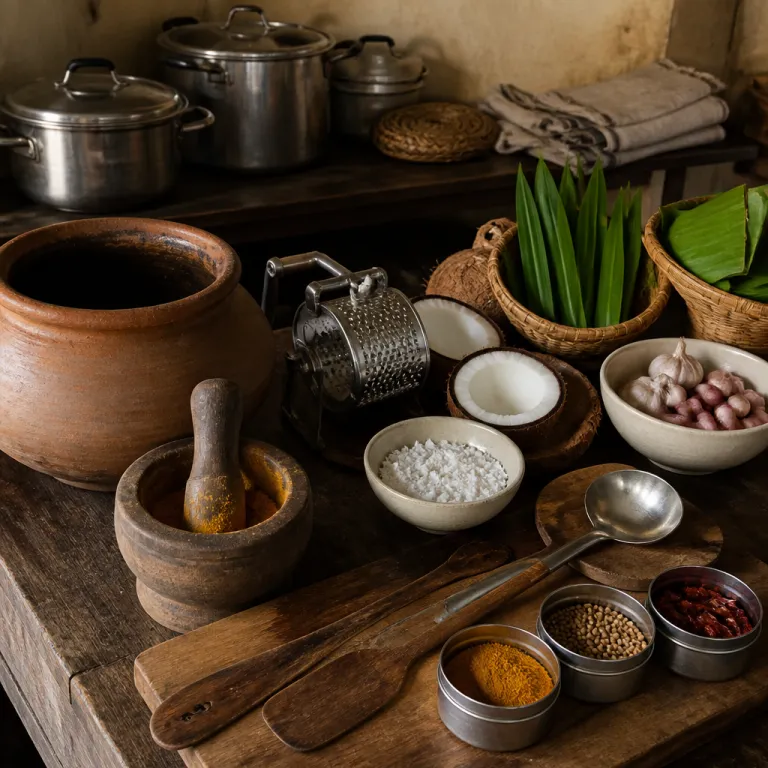
Core Maldivian cuisine is built on three ingredients — tuna, coconut and chilli — and this triangle shapes almost every traditional meal. Mas huni, the shredded tuna and coconut breakfast salad, garudhiya, the clear tuna broth eaten with rice, lime and raw onion, and hedhikaa, the fried short eats like bajiya and gulha, are not side notes but the structure of everyday maldivian food. When a resort presents these as occasional novelties, the dining experience becomes a performance rather than a window that truly opens window onto island life.
Most high end resorts in the Maldives still default to pan Asian and Mediterranean menus, with Maldivian cuisine relegated to a token buffet station. You will see grilled fish and a coconut based curry on the beach, yet rarely the full spread of traditional Maldivian dishes that locals share at home. For travellers choosing a maldives resort specifically for food, the question is not which property has the best underwater restaurant, but which resorts in the Maldives let their kitchens cook like the nearby local islands actually eat.
The dishes that define Maldivian food, from mas huni to hedhikaa
Before you book any resort in the Maldives for its dining, it helps to know which dishes signal a kitchen that respects local tradition. Mas huni should taste of smoked or freshly boiled tuna, hand mixed with grated coconut, onion, chilli and sometimes finely chopped local island greens. When this arrives at breakfast alongside roshi flatbread and black tea, you are already closer to a real Maldivian meal than most themed dinners offer.
Garudhiya is the quiet hero of Maldivian cuisine, a clear tuna soup served with rice, lime, chilli and raw onion that guests mix to their own taste. In a serious maldives local food dining resort, garudhiya appears not only on “Maldivian night” but as a regular option in the main restaurant, sometimes with different reef fish depending on the catch. Hedhikaa, the short eats such as bis keemiya, gulha and bajiya, should be fried to order at the pool bar or beach bar, not just reheated on a buffet tray.
Look for resorts that integrate these maldivian food staples into their meal plans, rather than hiding them in a once a week cultural show. When a resort offers cooking classes on traditional Maldivian recipes, as Sun Siyam Vilu Reef does with its hands on sessions, it signals a deeper commitment to local food. Booking those classes in advance is wise, because “Book cooking classes in advance.” is advice that applies across many islands where spaces are limited.
For travellers planning future trips around new culinary openings, the most food focused summer resort launches are tracked in guides such as the dedicated overview of upcoming Maldivian resort openings that reshape the atolls. Use those resources to cross check which new properties talk about maldivian cuisine as a core identity, not just a themed event. That is how you filter for resorts where the dining experiences will feel grounded in place rather than generic.
Resorts that actually cook local: from dhoni dining to reef to table
Only a handful of luxury resorts in the Maldives treat local food as a fine dining language rather than a folkloric accent. Milaidhoo Island Maldives is a standout, with Ba’theli, a fine dining Maldivian restaurant built on traditional dhoni boats that float in the lagoon. Here the tasting menus use reef fish, coconut and regional spices to reinterpret traditional Maldivian cuisine without losing its backbone.
Sun Siyam Vilu Reef leans into cooking classes and cultural dining experiences that bring guests into the kitchen, not just to a themed buffet. Taj Coral Reef Resort & Spa, through its Bokkura restaurant, serves Maldivian specialties alongside global dishes, which lets guests move between familiar plates and more traditional Maldivian food in a single meal. These resorts in the Maldives show that a maldives local food dining resort can be both luxurious and rooted in local islands culinary heritage.
In Baa Atoll, properties highlighted in guides to UNESCO Biosphere Reserve resorts that take the designation seriously often connect marine conservation with what appears on the plate. When a resort works with local fishermen for skipjack tuna and reef fish, the dining experience becomes a sustainability story as much as a gastronomic one. Guests taste the atoll’s ecology in garudhiya, grilled fish and coconut based curries, rather than only in imported wagyu or lobster.
Some global names, such as Waldorf Astoria Maldives Ithaafushi, Anantara Kihavah Maldives Villas and Conrad Maldives Rangali Island, are better known for underwater dining and iconic restaurants than for traditional Maldivian curry tables. Yet even at these flagship resorts, you can ask for private dining that focuses on maldivian cuisine, from mas huni breakfasts on a sandbank to reef fish curries served family style on the beach. The key is to treat the resort restaurant list as a starting point and then push the culinary team toward more local experiences.
Why local islands matter: guesthouses, family tables and real maldivian meals
For solo travellers who care about food, the most honest Maldivian dining experiences often happen away from the big resorts. On local islands such as Maafushi or Thulusdhoo, guesthouses and small restaurants serve the kind of everyday maldivian food that rarely appears on a resort buffet. Here, a simple meal of garudhiya, rice, fried reef fish and coconut sambal can be the best dining experience of an entire trip.
The residential island guesthouse scene has quietly shifted how visitors engage with Maldivian cuisine, making traditional maldivian dishes accessible without the filter of a themed cultural show. You might eat hedhikaa short eats at a harbour café, share a family style meal with your hosts or join a cooking session that explains why tuna and coconut dominate the local diet. These experiences complement, rather than replace, the polished restaurants and pool bar snacks of a high end maldives resort.
Resorts that take food seriously increasingly partner with local islands, inviting Maldivian chefs or home cooks to lead classes and special dinners. Some properties arrange day trips where guests visit a local market, learn about fish selection and then return to the resort kitchen for a hands on cooking class. This kind of maldives local food dining resort model respects the expertise that lives on local islands and turns it into curated, comfortable experiences for international guests.
If you are torn between a pure resort stay and time on local islands, comparative guides such as this analysis of Seychelles versus Maldives for your next island escape can help frame expectations. The Maldives excels when you combine a design led resort with at least one night on a residential island, especially for food. That mix lets you enjoy fine dining, underwater restaurant theatrics and private dining on the beach, then sit at a plastic table where a Maldivian family actually eats.
How to book a resort that respects Maldivian cuisine
Choosing a maldives local food dining resort starts long before you arrive on the island. When you research resorts in the Maldives, read menus carefully and look for more than one token Maldivian dish hidden among international restaurants. A property that lists mas huni, garudhiya, hedhikaa and several coconut based curries across different restaurants is signalling that maldivian cuisine is part of daily life, not just a themed event.
Contact the resort directly and ask specific questions about dining experiences that focus on maldivian food, including whether they can arrange private dining with traditional dishes on the beach or in villa. Ask if the chefs run Maldivian cooking classes, whether local fishermen supply their tuna and reef fish and how often they host cultural dining experiences with live explanation rather than just music and décor. The more detailed the answers, the more likely the resort is to treat local food as a serious part of its identity.
Pay attention to how meal plans are structured, because an all inclusive package that only covers buffet dining can limit your access to the best Maldivian dishes. Sometimes a half board plan with credit at an à la carte restaurant gives more freedom to order garudhiya, grilled fish and coconut based sides whenever you like. Remember that “Try local dishes like Mas Huni.” and “Attend cultural dining events.” are not generic slogans but practical steps that turn a standard resort stay into a sequence of meaningful dining experiences.
When you see names such as Waldorf Astoria Maldives, Anantara Kihavah Maldives Villas or Conrad Maldives Rangali Island, do not assume that global branding guarantees the best local food. Instead, treat those resorts as platforms where you can request underwater dining with a Maldivian tasting menu, or a kids club activity that introduces children to traditional Maldivian snacks. A thoughtful maldives resort will welcome that curiosity, because integrating traditional cuisine into luxury resort dining is now recognised as a way to support local producers, educate guests and strengthen the sense of place.
FAQ
Which resorts in the Maldives offer Maldivian cooking classes ?
Sun Siyam Vilu Reef and Milaidhoo Island Maldives are two leading examples of resorts that offer structured Maldivian cooking classes with local chefs. These classes typically focus on dishes such as mas huni, garudhiya and hedhikaa, using fresh tuna, coconut and regional spices. Spaces are limited, so it is wise to book cooking classes in advance when you confirm your stay.
What traditional Maldivian dishes should I prioritise during my stay ?
Start with mas huni for breakfast, then look for garudhiya, the clear tuna broth served with rice, lime and chilli, at lunch or dinner. In the afternoon, seek out hedhikaa short eats such as bis keemiya, gulha and bajiya at the pool bar or a casual restaurant. If your resort offers a dedicated Maldivian menu, ask for a family style meal that combines these dishes with grilled reef fish and coconut based sambals.
Are Maldivian cuisine options available year round at resorts ?
Many resorts in the Maldives now offer Maldivian cuisine throughout the year, not only on occasional themed nights. Core ingredients such as tuna and coconut are available year round, which allows kitchens to serve mas huni, garudhiya and other staples in every season. When you book, ask the resort whether their Maldivian dishes appear on daily menus or only during special events.
How much does a Maldivian cooking class usually cost at a resort ?
Across luxury and premium properties in the Maldives, Maldivian cooking classes typically cost around 100 USD per person. That price usually includes a guided session with a chef, all ingredients and a shared meal at the end of the class. Some resorts may charge more for private classes or for sessions that include a market visit or a fishing excursion.
Can I experience authentic Maldivian food without leaving my resort ?
Yes, but you need to choose your resort carefully and ask for specific dining experiences. Properties such as Milaidhoo Island Maldives, Sun Siyam Vilu Reef and Taj Coral Reef Resort & Spa integrate Maldivian dishes into their main restaurants and offer cultural dining experiences beyond a single buffet. For deeper immersion, combine those resort meals with at least one visit to a local island, where small cafés and family tables show how Maldivians actually eat every day.