Where to Stay in the Maldives: An Atoll-by-Atoll Guide for Travellers Who Read Beyond the Brochure
Why “where to stay Maldives” starts with choosing the right atoll
When you start asking where to stay Maldives, the real question is which atoll suits your rhythm. Geography shapes everything here, from the colour of the reef to how long you spend in transit from Malé. On a map the Maldives looks like a simple chain of islands, yet 26 atolls behave like distinct archipelagos with their own pace, marine life and resort culture.
Think of each atoll as a neighbourhood, then decide whether you want a quick speedboat hop from Malé or a seaplane journey that feels like a low altitude safari over coral. The Maldives Tourism Board and resort operators across these atolls quietly agree on one thing ; informed guests make better choices and stay longer. Their shared goal is clear and practical, as they say that “Informed travelers making responsible choices, leading to enriched experiences and community benefits.”
When you read detailed guides rather than glossy brochures, patterns emerge that clarify where to stay Maldives for your style of trip. North Malé Atoll offers the highest density of resorts Maldives, while Baa Atoll trades convenience for a UNESCO protected biosphere and manta congregations. Farther south, Laamu and Gaafu atolls reward repeat visitors who care more about house reefs and local currents than the latest overwater villas trend.
Every resort Maldives sits on its own island, yet no property exists in isolation from its surrounding atoll. A private island with flawless villas and a vast pool still depends on the health of its lagoon, the strength of its house reef and the character of nearby local communities. Before you fall for a room photo, you should read the fine print on transfer times, prevailing winds and how often you will actually step onto the beach.
Couples planning a first trip often focus on the best spa menu or the most dramatic overwater villas, but the smarter move is to shortlist atolls first. Once you know whether Baa Atoll’s marine life or North Malé’s convenience matters more, the right resort almost chooses itself. This atoll first approach turns the vague search for where to stay Maldives into a precise, confident decision.
North Malé and South Malé: convenience, classics and brand name icons
If you want to minimise travel time from Malé, North Malé and South Malé Atolls are your natural starting point. These atolls sit around the country’s transport center, Velana International Airport, and most resorts here are reached by speedboat rather than seaplane. For many travellers asking where to stay Maldives for a short break, that no flight transfer factor is decisive.
North Malé Atoll carries the highest concentration of resorts Maldives, from Cheval Blanc Randheli level glamour to long established names that shaped the country’s luxury story. You will find the Waldorf Astoria Ithaafushi here, a private island style playground with vast villas, serious pool culture and a spa that feels like its own resort. This is also where the Fari Islands concept sits, with Patina Maldives and other design forward properties creating a modern archipelago within an atoll.
On the Fari Islands, Patina Maldives leans into art, architecture and a subtle beach club energy that appeals to couples who read beyond the brochure. The shared marina gives you restaurant hopping options rare in a typical resort Maldives, while still keeping the sense of a private island escape. When you look at where to stay Maldives for a social yet polished vibe, this cluster deserves a place on your shortlist.
South Malé Atoll feels slightly quieter yet remains close enough to Malé for easy transfers and flexible departure times. Here, resorts balance lagoon facing overwater villas with generous beach villas, so you can split your stay between the two without changing island. Many couples choose South Malé when they want the best of both worlds ; quick access and a softer, more residential atmosphere than the busier north Malé corridor.
Speedboat access also means you can weave in a visit to a local island, adding cultural texture to the usual resort routine. Local communities near Malé Atoll increasingly host guided walks, mosque visits and simple cafés where you can taste Maldivian snacks away from resort menus. If you are the kind of traveller who will read up on etiquette and dress codes, these encounters become a highlight rather than an afterthought.
Raa Atoll, by contrast, is emerging as the next frontier for design led resorts, and it deserves attention in any serious guide to where to stay Maldives. New openings here signal how the luxury map is shifting northwards, especially as more direct flights into Malé increase demand for seaplane accessible atolls. For a deeper dive into this trend, look at analysis of Bulgari Ranfushi’s arrival in Raa Atoll and what it means for future resorts Maldives.
Baa Atoll and Raa Atoll: biosphere reefs and the next wave of design resorts
When travellers ask where to stay Maldives for serious marine life, Baa Atoll usually tops the list. This UNESCO Biosphere Reserve is famous for Hanifaru Bay, where manta rays gather in astonishing numbers during peak season. The atoll’s shape funnels plankton into lagoons, turning certain channels into feeding stations that feel almost theatrical when you slip into the water.
Within Baa Atoll, Soneva Fushi set the template for barefoot luxury long before it became a marketing phrase. The resort’s villas hide among mature jungle, with private pools and open air bathrooms that make the most of the island’s natural contours. Couples who read about where to stay Maldives and care about sustainability gravitate here, drawn by Soneva’s glass recycling, observatory and Soneva Soul wellness concept that has inspired many other spa programs across the Maldives.
Not far away, Soneva Jani stretches across a private island and a necklace of overwater villas that have become some of the most recognisable images of the Maldives. Here, the room is not just a place to sleep ; it is a miniature playground with slides into the lagoon, retractable bedroom roofs and private pools that seem to merge with the sea. For some travellers, this is the best expression of where to stay Maldives when you want a once in a lifetime statement stay.
Baa Atoll also hosts Kandolhu style properties on smaller islands, where the focus is on an intimate scale and a strong house reef rather than sheer villa count. These resorts Maldives often sit close to channels where turtles and reef sharks cruise past daily, making a simple snorkel from the beach feel like a guided dive. If you will read house reef reviews as closely as spa menus, Baa Atoll rewards that research with everyday encounters.
Raa Atoll, just to the north, is evolving into an emerging luxury corridor with a different energy. Here, new resort Maldives projects emphasise architecture, art and wellness, positioning themselves as the next generation after the established icons of Baa and north Malé. Many travellers now frame their where to stay Maldives search around this region, attracted by quieter lagoons and the sense of being slightly ahead of the curve.
Wellness focused travellers should also pay attention to properties across Baa and Raa that treat the spa as a serious destination rather than an add on. From Soneva Soul at Soneva Fushi to dedicated wellness retreats on nearby islands, the Maldives is becoming a legitimate wellness pilgrimage route. For a curated overview of luxury hotels in the Maldives that are worth a wellness focused journey, consult guides to wellness pilgrimages from Joali Being to Soneva Soul before you finalise where to stay Maldives.
Laamu, Gaafu and the southern argument: frontier reefs for repeat visitors
Ask frequent visitors where to stay Maldives once the first trip is out of the way, and many will point you south. The southern atolls, including Laamu, Gaafu and Addu, sit far from Malé and feel more like frontier territory than polished resort clusters. Transfers usually involve a domestic flight plus speedboat, yet the reward is richer marine life and a stronger sense of local island culture.
Laamu Atoll has become a quiet favourite among divers and snorkellers who care about coral health and current swept channels. Properties such as Six Senses Laamu, often misheard as “senses Laamu”, anchor their experience around the house reef and a serious marine biology team. Here, the best room is often the one closest to the reef entry point, not necessarily the largest private pool or the most dramatic overwater villas.
Farther south, Gaafu Atoll spreads across a vast area with deep channels that attract pelagic species and seasonal shark action. When you read trip reports from divers, this region often appears as the answer to where to stay Maldives for advanced drift dives and uncrowded sites. Domestic flights from Malé take longer than a seaplane hop to Baa or Raa, but they also shift you into a different, less trafficked Maldives.
Addu Atoll, at the southern tip, offers a different story again, with a ring shaped formation and a history as a former British base. Here, local islands and resorts share the same lagoon, giving you more opportunities to interact with local communities beyond curated excursions. For travellers who will read up on the country’s history and want more than a resort bubble, this southern arc feels compelling.
Because these atolls sit far from the main resort belts of north Malé and Baa, they remain relatively quiet even as annual tourist arrivals climb. The Maldives Tourism Board data shows millions of visitors each year, yet only a fraction venture this far south. That imbalance is exactly why many insiders argue that the future of where to stay Maldives lies in these quieter atolls.
If you are curious about why these regions are poised to change, a deeper strategic look at the southern Maldives argument is worth your time. It explains how new routes into Malé and evolving resort development plans could reshape the map of resorts Maldives over the next decade. For now, though, Laamu, Gaafu and Addu still feel like the Maldives that repeat visitors whisper about rather than post loudly.
Remote luxury: private islands, overwater villas and seaplane logistics
Once you have chosen an atoll, the next layer in your where to stay Maldives decision is how remote you want to be. A private island resort offers deep seclusion, yet it also means you will rely entirely on the resort for dining, activities and even basic shopping. Some couples thrive on that contained world, while others prefer multi island clusters like the Fari Islands where you can change restaurants without changing your room.
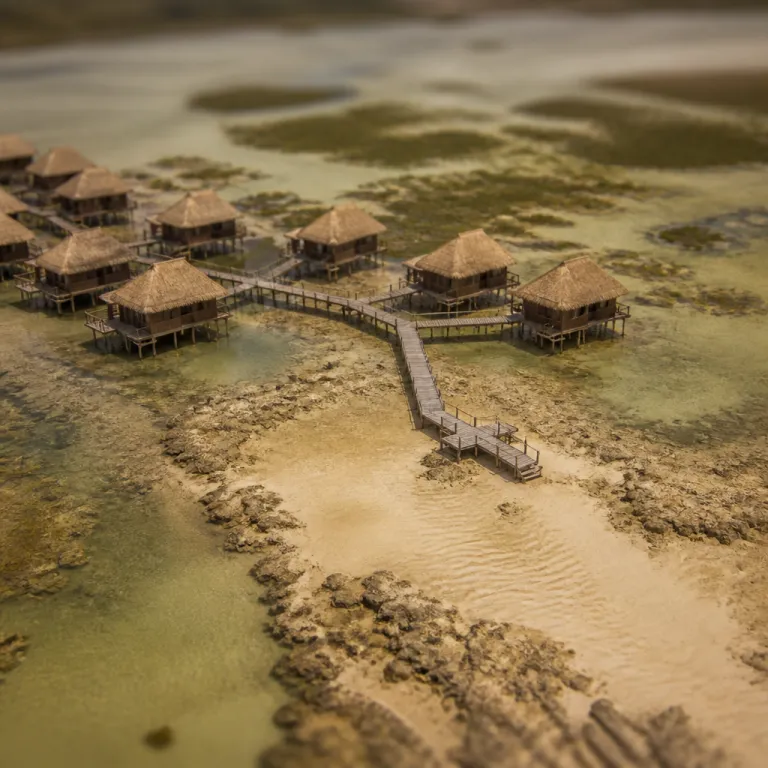
Overwater villas remain the Maldives signature, but they are not automatically the best choice for every stay. On some islands, the beach villas offer more privacy, better access to the lagoon and a softer connection to the local environment. If you read guest feedback carefully, you will notice that many seasoned travellers now split their stay between a beach room and an overwater villa to experience both sides of the island.
Seaplane transfers add a cinematic layer to the journey, especially when you fly over Baa Atoll’s reefs or the long chains of Raa and Lhaviyani. They also add cost and can be weather dependent, which matters if you are planning a shorter stay or travelling in the shoulder seasons. When you weigh where to stay Maldives, factor in not only the nightly rate but also the transfer cost per person, which can rival a night in a mid range room.
Speedboat accessible resorts in north Malé and south Malé Atolls avoid these variables, making them attractive for three or four night trips. You land in Malé, clear immigration and step onto a boat that delivers you to your chosen resort Maldives within an hour. For travellers flying long haul, that simplicity often outweighs the romance of a seaplane landing beside a remote island.
Domestic flights open up the southern atolls, connecting Malé to Laamu, Gaafu and Addu with scheduled services. These flights feel more like regular aviation than the barefoot charm of a seaplane, yet they unlock some of the best reefs in the Maldives. If you will read tide charts and dive site maps before you pack, the extra leg of travel quickly feels worthwhile.
Whatever your choice, remember that logistics shape your usable time on the island. A late afternoon seaplane to Baa Atoll might mean you reach your private pool just before dinner, while a morning speedboat to north Malé gives you a full first beach day. Aligning your transfer type with your priorities is one of the most practical ways to refine where to stay Maldives for your specific trip.
Signature names: Soneva, Kandolhu, Patina, Park Hyatt and beyond
Certain names come up repeatedly when you read serious discussions about where to stay Maldives, and they do so for good reasons. Soneva, for example, has built a reputation that goes beyond private villas and high thread count linens. At Soneva Fushi in Baa Atoll and Soneva Jani in the Noonu region, the emphasis is on playful design, serious sustainability and a kind of curated whimsy that keeps even seasoned travellers engaged.
Kandolhu, a much smaller island, appeals to couples who prefer intimacy over scale. Its limited number of villas means the beach never feels crowded, and the house reef is close enough that you can drift snorkel before breakfast. For many readers comparing where to stay Maldives options, Kandolhu represents the sweet spot between polished service and a relaxed, almost private island atmosphere.
On the Fari Islands, Patina Maldives has quickly become a reference point for design conscious travellers. The architecture frames the horizon in clean lines, while the pool and beach club spaces encourage a gentle social energy without tipping into party territory. If you will read about art programs and sustainability initiatives before you book, this resort Maldives aligns with that mindset.
Farther afield, Park Hyatt Maldives Hadahaa in Gaafu Atoll, often referred to simply as Park Hyatt, offers a different take on luxury. Here, the villas sit close to one of the most impressive house reefs in the country, and the design keeps a low profile among the palms. Couples who care more about coral than chandeliers often place this property high on their where to stay Maldives list.
Hyatt Hadahaa, as many guests call it, also illustrates how a strong marine program can define a resort’s identity. Daily snorkel briefings, guided night snorkels and collaborations with local marine biologists turn the reef into a living classroom. This is where the Maldives feels less like a backdrop and more like the main subject of your stay.
Other names, from Cheval Blanc in north Malé to Waldorf Astoria and Kuda Huraa in the same region, round out a portfolio of resorts Maldives that cater to different tastes. Some prioritise expansive spas and multi level pools, others focus on surf breaks or culinary programs that bring in guest chefs from around the world. The key is to match these signatures with the atoll character you have already chosen, so that every layer of your where to stay Maldives decision supports the same kind of experience.
A practical decision tree: matching your Maldives to your priorities
To turn all this into a clear answer to where to stay Maldives, start with your trip length and arrival time. If you are staying five nights or fewer and landing in Malé in the afternoon, north Malé or south Malé Atoll with speedboat transfers will maximise your beach time. For longer stays, a seaplane or domestic flight opens up Baa, Raa and the southern atolls without feeling rushed.
Next, decide what you care about most between reef quality, spa and wellness, or social energy. If marine life sits at the top of your list, Baa Atoll, Laamu and Gaafu should anchor your search, with properties like Soneva Fushi, Soneva Jani, Park Hyatt and Hyatt Hadahaa leading the shortlist. Couples who will read dive reports and marine conservation notes before booking will find these regions especially rewarding.
If wellness and spa rituals are central to your trip, look for resorts Maldives that treat the spa as a core identity rather than a side facility. Baa Atoll’s wellness focused properties, the Fari Islands’ carefully curated programs and selected private island retreats across the country all fit this profile. Here, the best room is often the one closest to the spa or with a private pool and outdoor treatment pavilion, turning your villa into an extension of the wellness center.
For travellers who value dining variety and a subtle social scene, north Malé’s larger resorts and the Fari Islands cluster make sense. You can move between restaurants, bars and beach clubs without sacrificing the privacy of your own villas and beach corners. This is where to stay Maldives if you like the idea of seeing other people at sunset, then retreating to a quiet room when you choose.
Budget also plays a role, even at the luxury end of the spectrum. Seaplane accessible resorts in Baa and Raa often carry higher transfer costs, while speedboat resorts near Malé can allocate more of your spend directly into the room category or spa treatments. Local island guesthouses, though outside the pure luxury bracket, offer another way to experience the Maldives and support local communities at the same time.
Finally, remember that the Maldives is not a single decision but a series of layered choices about atoll, transfer, island style and resort personality. When you approach where to stay Maldives with that structure in mind, the process becomes less overwhelming and more like a tailored itinerary. Read widely, ask specific questions about reefs, rooms and logistics, and you will arrive on the right island already aligned with its rhythm.
Key figures that shape the Maldives hotel landscape
- The Maldives consists of 26 natural atolls spread over roughly 870 kilometres, which explains why choosing an atoll first is more strategic than choosing a star rating.
- Annual tourist arrivals recently reached around 2 000 000 visitors according to the Maldives Tourism Board, a scale that concentrates pressure on popular atolls like north Malé and Baa.
- Average resort occupancy has hovered near 85 percent in recent seasons, meaning the best overwater villas and private island options in peak months often sell out months in advance.
- Most visitors still cluster in speedboat accessible atolls near Malé, leaving southern atolls such as Laamu, Gaafu and Addu with fewer resorts and richer marine life per guest.
- Travel patterns are shifting as new long haul routes into Malé open, increasing demand for seaplane and domestic flight connections to remote resort Maldives properties.
FAQ: planning where to stay in the Maldives
What is the best time to visit the Maldives for a resort stay ?
The most popular period to visit the Maldives runs from November to April, when conditions are generally drier and seas are calmer. This window is ideal for overwater villas, seaplane transfers and long days on the beach. Shoulder months can offer better value, but you should be prepared for more variable weather.
Do I need a visa to stay at a Maldives resort ?
Most nationalities receive a 30 day visa on arrival when entering the Maldives through Malé International Airport. You need a valid passport, a confirmed resort or local island booking and proof of onward travel. Always check current entry requirements with official Maldivian authorities before your trip.
Are there budget friendly options, or is every resort Maldives ultra luxury ?
The Maldives is famous for high end resorts, yet there is a growing network of guesthouses on local islands that offer more affordable stays. These properties usually do not have private pools or overwater villas, but they provide access to the same lagoons and reefs. For some travellers, combining a few nights in a luxury resort with time on a local island creates a balanced itinerary.
How do I choose between a beach villa and an overwater villa ?
Beach villas suit travellers who like direct sand access, more shade and often greater privacy. Overwater villas place you directly above the lagoon, which is ideal if you plan to snorkel frequently and value uninterrupted sea views. Many couples split their stay between both to experience two perspectives on the same island.
Is a seaplane transfer worth the extra cost and time ?
A seaplane transfer adds significant cost, yet it also delivers a memorable aerial view of the atolls and access to more remote resorts. If you are staying at least six or seven nights, the extra travel time usually feels justified. For shorter trips, a speedboat accessible resort near Malé may offer a better balance between experience and logistics.
References and further reading
- Maldives Ministry of Tourism – official statistics on arrivals, atolls and resort development.
- Maldives Tourism Board – practical visitor information, travel advisories and sustainability initiatives.
- UNESCO – background on the Baa Atoll Biosphere Reserve and marine conservation programs.