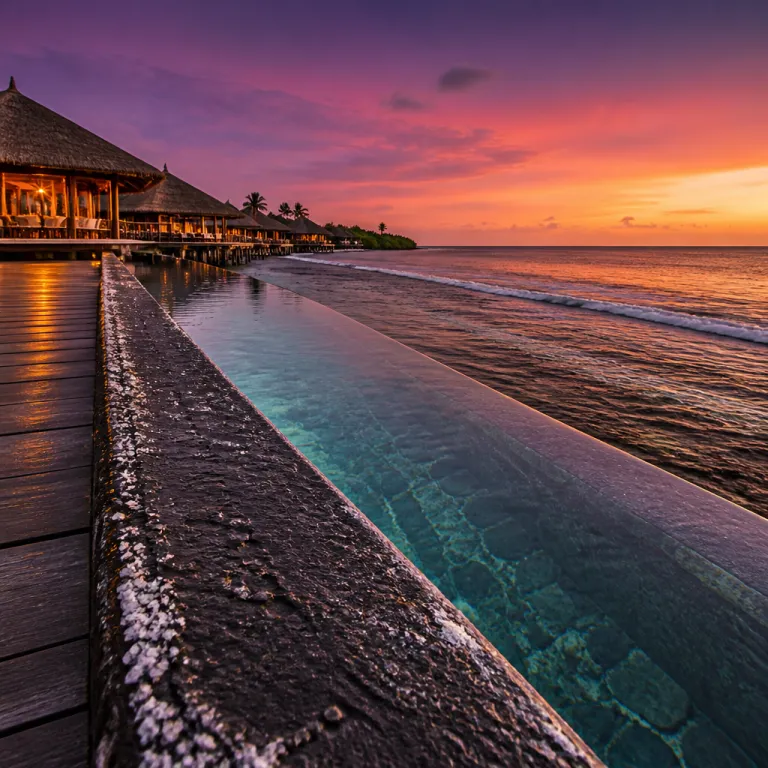
Are resort pools in the Maldives salt or freshwater ?
Most travellers ask first whether resort pools in the Maldives are salt or freshwater. On luxury islands, management deliberately mixes both pool types to match guest expectations and to complement the surrounding Indian Ocean. Understanding how each resort designs its water systems helps you choose the right villas and pools for your stay.
Across the Maldives, many resorts now favour fresh water pools, while a substantial number maintain saltwater pools that echo the lagoon just a few metres away. Industry reports and sustainability statements from leading brands indicate that a clear majority of large, five star properties now operate mainly freshwater pools, with a smaller share keeping at least one saltwater or ocean fed pool. When you compare resorts, you are really comparing different philosophies of water supply, maintenance requirements, and environmental impact rather than a single standard across the country.
Fresh water pools rely on on site desalination, where seawater is pumped through reverse osmosis systems to remove salt and impurities. Saltwater pools, by contrast, use a controlled seawater intake combined with filtration and lower salinity levels than the open Indian Ocean, which many guests find gentler on the skin. No, resorts do not use only one system; many islands offer both freshwater and saltwater pools, and one guest at a Raa Atoll property described it as “waking up to a glassy freshwater villa pool, then ending the day floating in a warm, gently salty lagoon style pool at sunset.”
How Maldivian islands produce fresh water for resort pools
Every private island resort in the Maldives operates like a miniature city with its own water production plant. Because there is no natural river water supply, each island depends on desalination systems that convert surrounding seawater into fresh water suitable for drinking water and for filling pools. These compact plants are usually hidden behind lush vegetation, yet they define the capacity of the resort to run villas, restaurants, spas, and large pools year round.
Modern desalination in luxury resorts typically uses reverse osmosis, where high pressure pumps push seawater through semi permeable membranes to separate salt from water. To reduce energy consumption, many properties now integrate energy recovery devices that capture pressure from the brine stream and feed it back into the system. Publicly available sustainability reports from several Maldivian resort groups indicate that a typical medium sized island can produce in the order of a few hundred cubic metres of potable water per day, which is enough to support guest rooms, kitchens, staff housing, and multiple pools when carefully managed.
Because these islands are remote, operators favour robust systems with minimal maintenance and strong remote monitoring capabilities. Sensors track water quality, salinity levels, and overall water production so engineers can adjust the system before guests notice any change at the pool. A typical medium sized resort might produce several hundred cubic metres of fresh water per day, enough to supply villas, restaurants, and multiple pools while maintaining consistent standards for both pool water and tap water.
Saltwater pools versus freshwater pools in Maldives luxury resorts
Choosing between saltwater and freshwater pools in the Maldives is less about right or wrong and more about the experience you prefer. Fresh water pools feel familiar, with predictable water quality and clear chlorination levels, while saltwater pools offer a softer, ocean like sensation with reduced chemical smell. Are resort pools in the Maldives salt or freshwater becomes a question of comfort, skin sensitivity, and how closely you want your swim to resemble the sea.
Saltwater pools draw from a controlled seawater intake, then pass the water through filtration systems that remove debris while keeping a moderated salinity. These pools never match the full salinity levels of the Indian Ocean, so the water feels smoother and less harsh than open seawater. Do saltwater pools feel like swimming in the ocean? Saltwater pools have a milder salt concentration than the ocean, offering a different experience.
Fresh water pools, by contrast, depend entirely on the island’s desalination capacity and energy system, which often includes solar panels and efficient recovery devices. Because this fresh water is produced on site, resorts carefully balance pool size, villa demand, and drinking water needs to keep the system stable. If you plan a refined ocean escape focused on surfing, guides such as this resource on choosing the right Maldives surf resort for a refined ocean escape can help you weigh how much time you will spend in pools versus the lagoon itself.
Engineering behind resort pool systems on remote islands
Behind every serene infinity pool lies a dense network of pipes, pumps, and digital controls. On remote islands, resort engineers must design a water system that can operate reliably with limited external support and with clear maintenance requirements. This is why many luxury resorts invest heavily in integrated desalination systems, energy recovery devices, and remote monitoring from the very beginning of construction.
Typical layouts start with a seawater intake line positioned several metres offshore, where water quality is stable and sediment is lower. From there, pre filtration removes larger particles before the flow enters reverse osmosis units that generate both fresh water for villas and technical water for pools. Energy recovery technology reduces the power needed for this process, which is crucial on islands where diesel and solar energy must be carefully balanced to keep the overall supply resilient.
Once produced, fresh water is stored in elevated tanks that provide gravity fed pressure across the resort, including to hillside villas and overwater villas. Automated monitoring capabilities track parameters such as chlorine, pH, and salinity levels in pools, allowing staff to maintain high water quality with minimal maintenance interventions. Because these islands are remote, remote monitoring tools also alert off site specialists who can advise on system adjustments without flying to the Maldives.
How pool design varies between top Maldives resorts
Pool design in the Maldives reflects each resort’s brand, target guests, and technical water capacity. Some properties prioritise dramatic main pools that stretch for dozens of metres along the beach, while others focus on private villa pools that offer intimate seclusion. When you compare places, you should always ask how the water systems behind these pools are configured and what that means for your stay.
Large signature pools require significant water production and careful energy planning, especially on smaller islands with limited solar capacity and storage. Resorts with extensive villas and multiple pools often build higher capacity desalination plants and invest in robust osmosis systems to keep both pool water and drinking water flowing smoothly. Growing preference for eco friendly biotope style or natural filtration pools has also encouraged some management teams to integrate planted regeneration zones that reduce chemical use while still maintaining reliable water quality.
On more discreet islands, designers may favour a smaller central pool combined with many compact villa pools, which reduces overall water supply stress and maintenance requirements. These layouts can be ideal for travellers who value privacy and quiet rather than a single social hub. For guests considering a refined local island experience with access to elegant guesthouses and nearby luxury resorts, guides such as this Dhigurah island escape resource provide context on how pool and lagoon experiences complement each other.
Practical booking advice for choosing your ideal Maldives pool experience
When you are ready to book, start by asking the property directly whether its main pools are saltwater or freshwater. Are resort pools in the Maldives salt or freshwater is a perfectly standard question, and reputable luxury resorts will explain their systems clearly. Inquire about both the main pool and private villa pools, because some islands mix saltwater and fresh water options across different areas.
Next, consider your own sensitivities and how you plan to use the pool during your stay. Guests with delicate skin or contact lenses often prefer fresh water pools, while confident swimmers who love the ocean usually enjoy the softer feel of moderated seawater. Be aware of potential skin sensitivities.
If sustainability matters to you, ask about solar energy integration, energy recovery devices, and how the resort manages year round water production. Some properties highlight minimal maintenance designs and advanced monitoring capabilities that keep water quality high while reducing chemical use and waste. Why do some resorts choose saltwater pools? Saltwater pools can be more sustainable and require less chemical treatment.
Key figures about Maldivian resort pools and water systems
- Many Maldivian resorts now operate primarily freshwater pools, while a smaller share maintain saltwater pools; this split reflects both guest preferences and desalination capacity on each island, as described in sustainability reports published by individual properties.
- Resorts run their desalination plants and pool systems year round, because there is no natural river water supply on the islands, which makes reliable reverse osmosis technology and energy recovery devices essential for continuous operation.
- Growing preference for eco friendly biotope style or natural filtration pools has encouraged more luxury resorts to integrate planted regeneration zones, reducing chemical use while still meeting strict internal water quality standards for both pools and villas.
FAQ about resort pools in the Maldives
Are all resort pools in the Maldives saltwater ?
No, resorts offer both freshwater and saltwater pools. Most luxury resorts now rely on desalination systems to produce fresh water for their main pools and villa pools, while a smaller share maintains saltwater pools that use controlled seawater intake and filtration.
Do saltwater pools in the Maldives feel like the ocean ?
Saltwater pools do not match full ocean salinity levels, so they feel milder than the surrounding Indian Ocean. The water is drawn from seawater, then treated to achieve comfortable salinity levels and high water quality, which many guests find gentler on the skin and eyes.
How do Maldives resorts produce fresh water for pools and villas ?
Most islands use reverse osmosis desalination systems that convert seawater into fresh water suitable for drinking water and pools. These systems often include energy recovery devices, remote monitoring, and solar energy support to keep water production stable year round with manageable maintenance requirements.
Can I request a specific pool type when booking my stay ?
Yes, you can and should ask whether your chosen resort offers freshwater or saltwater pools, especially if you have skin sensitivities. Inquire about both the main pool and private villa pools, because some properties operate a mix of systems across different areas of the island.
Are Maldivian resort pools safe to use for children ?
Luxury resorts in the Maldives maintain strict water quality controls, using filtration, chlorination, and regular testing to keep pools safe for families. When you arrive, you can ask staff about recent monitoring results, salinity levels, and any specific maintenance requirements that might affect children’s use of the pool.