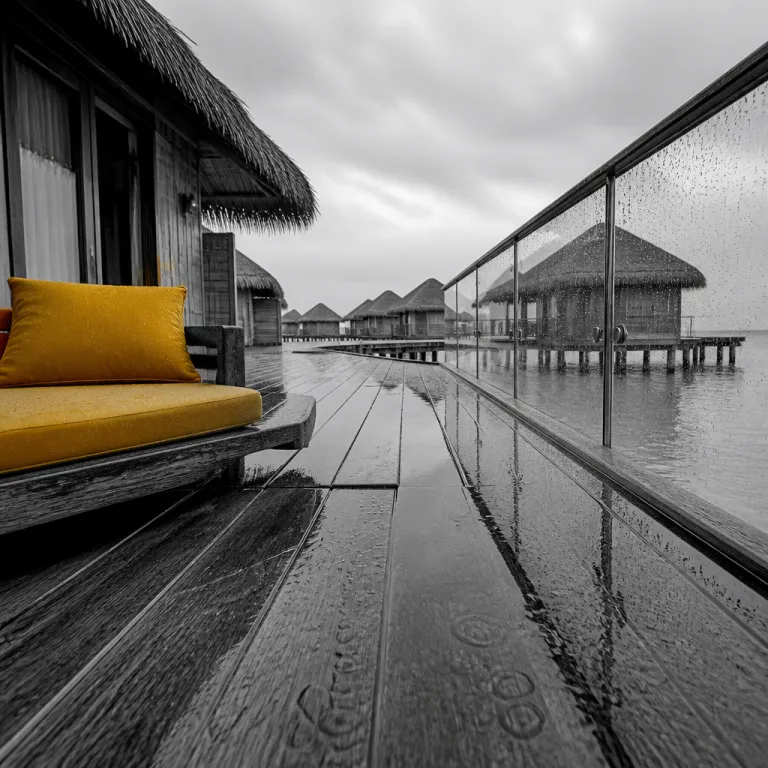
Understanding the Maldives wet season for luxury travelers
The Maldives wet season runs roughly from May to November, shaped by the southwest monsoon and its shifting winds. During this period, Maldives weather patterns bring higher humidity, more frequent rain, and dramatic cloudscapes that contrast beautifully with the turquoise lagoons. For travelers planning to visit Maldives in style, understanding this monsoon season is the first step to choosing the best time and place to book a luxury stay.
Across the year the archipelago experiences two main patterns, often described as the wet season and the dry season, yet both still offer warm temperatures and inviting seas. The southwest monsoon defines the core monsoon period, with the peak of the rainy season usually between June and August when average daily rainfall increases but rarely dominates the entire day. Most days still feature long spells of sunshine, with showers often arriving in short, intense bursts that last around two to three hours before blue skies return.
According to long-term climate summaries from the Maldives Meteorological Service (MMS), the average temperature during the Maldives wet season hovers close to 28 °C, with typical daily highs of 30–31 °C and lows around 26 °C, which means the sea remains comfortable for swimming and snorkeling. Official MMS climate data indicate that even at the height of the monsoon, many central atolls record monthly rainfall in the range of roughly 180–250 mm, with sea-surface temperatures usually between 28 °C and 30 °C. This balance of warm water and alternating sun and showers allows luxury resorts to maintain most activities year round, while adjusting schedules around the time of day when rainfall is most likely.
The period from November to April is commonly marketed as the best time to visit, because it aligns with the northeast monsoon and a relatively dry season with calmer trade winds. In these months, average monthly rainfall in many resort atolls often drops closer to about 70–120 mm, and sunshine duration increases. Yet the wet season from May to November offers its own set of Maldives experiences, including softer light, fewer crowds, and often more competitive rates at premium properties. For discerning guests, the real best time to visit Maldives depends less on avoiding every drop of rain and more on matching expectations to each season Maldives can offer.
Travelers comparing July and August should note that these months sit near the center of the southwest monsoon, with higher average rainfall but also vibrant marine life and lush vegetation on many islands. A typical day in July or August might start with blue skies and sunshine, see a mid-afternoon shower, then clear again in time for a sunset cocktail on an overwater deck. When you plan your time to visit with realistic expectations, the Maldives wet season can feel less like a compromise and more like a different, moodier kind of tropical luxury.
Weather, monsoon patterns, and how they shape luxury resort life
Weather in the Maldives is governed by the shifting monsoon winds that sweep across the Indian Ocean, influencing rainfall, cloud cover, and sea conditions. The southwest monsoon brings the main wet season, while the northeast monsoon ushers in the drier months between roughly December and April. For luxury travelers, the key is understanding how each monsoon season interacts with resort operations, excursions, and the overall feel of each island.
During the southwest monsoon period, the Maldives wet season typically delivers short, sharp bursts of rain rather than all-day downpours, which allows resorts to plan activities around the most likely windows of sunshine. The Maldives Meteorological Service reports that, averaged over the season, many islands experience a few hours of measurable rain per day, and long-term climate summaries show that numerous atolls still receive around six to eight hours of sunshine per day. This still leaves generous time for snorkeling, spa treatments, and private sandbank picnics. Many high-end properties use real-time weather forecasts and radar data to adjust dive schedules, seaplane transfers, and sunset cruises so that guests experience the best possible conditions.
From November to April, when the northeast monsoon prevails, the climate tends to be drier with more stable blue skies and calm seas, which is why this period is often promoted as the best time to visit Maldives for classic postcard conditions. In these months, average wind speeds are often slightly lower and sea states gentler, which can improve surface visibility for snorkeling and stand-up paddleboarding. Yet even in this dry season, brief showers can appear, and the concept of a perfectly predictable season Maldives wide is more marketing than meteorological certainty. Luxury resorts respond by designing flexible daily programs that can shift seamlessly between outdoor adventures and refined indoor experiences, regardless of the time of year.
For guests who value privacy and fewer crowds, the Maldives wet season can be an appealing time to visit, especially in July and August when European school holidays coincide with the monsoon season. Many premium properties offer attractive packages during this rainy season, combining complimentary upgrades, extended spa credits, or private dining experiences to enhance the sense of value. For example, a resort in North Malé Atoll might pair a reduced nightly rate with a private sandbank dinner, while a property in Dhaalu Atoll could include daily spa rituals and sunset cruises in a seasonal offer. If you are planning essential activities for a refined island stay, such as curated snorkeling safaris or wellness retreats, consult your resort’s concierge who will align your schedule with the most favorable time of day for sunshine and calm seas.
Even on a day with intermittent rain, luxury resorts in the Maldives excel at creating memorable indoor and semi-outdoor experiences that feel tailored rather than improvised. You might start a wet morning with a long à la carte breakfast, move to a couples spa ritual while showers pass, then enjoy a late-afternoon yacht cruise once the clouds break. By embracing the rhythm of the monsoon season instead of resisting it, you allow the Maldives wet season to frame your stay with a sense of drama and spontaneity that many repeat guests quietly prefer.
Choosing the best time to visit Maldives for premium value
When planning a high-end escape, many travelers ask about the single best time to visit Maldives, yet the answer depends on what you value most. If your priority is near-continuous sunshine, blue skies, and very calm seas, then the period from December to April during the northeast monsoon is usually the safest choice. This drier stretch, often described as the core dry season, aligns with peak rates at many luxury resorts because demand is high and availability for the most coveted villas can be limited.
By contrast, the Maldives wet season from May to November offers a different balance of advantages, especially for guests who prioritize space, privacy, and value. During this monsoon season, Maldives resorts often introduce more flexible minimum-stay rules, added inclusions, and attractive nightly rates, particularly in July and August. Travelers who are willing to accept a higher chance of rain on any given day often find that the overall experience feels more relaxed, with fewer crowds at breakfast buffets, quieter pools, and more spontaneous upgrades when occupancy is lower.
From a financial planning perspective, the rainy season can significantly reduce the total cost of a luxury stay without compromising on service or amenities. Before you book, it is wise to review a refined cost breakdown for a Maldives escape, including seaplane transfers, meal plans, and premium experiences such as private yacht charters. When you compare the same villa category between the dry season and the wet season, you may find that the difference in nightly rate more than offsets the occasional afternoon shower.
For many couples, the best time to visit is not strictly defined by the calendar but by their own flexibility and expectations. If you can travel outside major holiday peaks, such as late April or early November at the shoulders of the monsoon period, you may enjoy a blend of fewer crowds, relatively stable weather, and attractive pricing. Families with school-age children often gravitate toward July and August, accepting the higher average rainfall in exchange for longer stays in larger villas that might be unaffordable during December to April.
When you evaluate the season Maldives wide, consider not only the headline weather but also the specific atoll and resort you are choosing, because microclimates and local wind patterns can subtly influence conditions. Some islands are more sheltered, with lagoons that remain calm even when the open ocean is choppier during the southwest monsoon, which can be crucial if you are sensitive to motion on boats. By aligning your preferred time to visit with both climate data and resort-level nuances, you can turn the Maldives wet season into a strategic opportunity rather than a compromise.
How rain, sunshine, and sea conditions affect daily Maldives experiences
On a typical Maldives wet season day, you might wake to soft cloud cover, enjoy a leisurely breakfast, then watch as a brief shower sweeps across the lagoon before the sun returns. These alternating patterns of rain and sunshine define the character of the rainy season, creating a dynamic backdrop for both relaxation and adventure. For luxury travelers, the key is understanding how rainfall, wind, and sea state influence specific activities so you can plan each day with confidence.
Snorkeling and diving often remain excellent throughout the monsoon season, although visibility can fluctuate slightly after heavy rain or stronger winds. In many popular atolls, underwater visibility commonly ranges from 15 to 30 meters in settled conditions, with occasional reductions after storms. During the southwest monsoon, some channels experience stronger currents, which advanced divers may appreciate for drift dives, while beginners might prefer more sheltered reefs on the lagoon side of the island. Resorts use real-time forecasts and guidance from the Maldives Meteorological Service to select the best sites each day, ensuring that guests encounter warm temperatures, abundant marine life, and safe conditions.
Sea conditions matter especially for excursions such as dolphin cruises, sandbank picnics, and inter-island speedboat transfers, which feel more comfortable when the lagoon offers calm seas. In the core dry season from December to April, the combination of blue skies and lighter winds often creates ideal conditions for these outings, though brief showers can still appear. During the Maldives wet season, captains and excursion teams may shift departure times to avoid the heaviest rainfall, often scheduling trips earlier in the morning or later in the afternoon when the weather pattern allows.
Even on days with more persistent cloud cover, luxury resorts curate indoor and covered experiences that feel as considered as any sunset cruise. You might join a Maldivian cooking class, book a longer spa ritual, or arrange a private wine tasting in the cellar while the rainy season plays out beyond the glass. Many guests find that this slower rhythm, punctuated by the sound of rain on the lagoon, becomes one of their most cherished Maldives experiences.
For those planning to visit neighboring Sri Lanka as part of a wider Indian Ocean itinerary, it is worth noting that its monsoon season patterns differ slightly from those of the Maldives. The southwest monsoon typically affects Sri Lanka’s western and southern coasts from about May to September, while the northeast monsoon brings heavier rain to the east between October and January. Coordinating your time to visit both destinations may involve accepting some overlap with the wet season in one country to enjoy the best time in the other. By working with experienced tourism operators and travel advisors who understand regional monsoon period nuances, you can design a journey that balances sunshine, cultural exploration, and luxurious downtime across the year-round calendar.
Strategic resort selection during the Maldives wet season
Choosing the right resort during the Maldives wet season can transform a potentially uncertain forecast into a seamless luxury escape. Location within the archipelago, orientation of the island, and lagoon configuration all influence how each property experiences the southwest monsoon and its associated rainfall. When you plan to visit Maldives between May and November, it pays to look beyond headline photos and examine how each resort manages weather-related nuances.
Some atolls, such as Baa Atoll, are renowned for specific seasonal phenomena that actually peak during the monsoon season, turning the rainy months into the best time to visit for certain experiences. For example, manta ray aggregations at Hanifaru Bay typically align with the southwest monsoon, drawing marine life enthusiasts who are less concerned about occasional rain showers. Research by marine biologists working with local conservation projects has documented these seasonal gatherings, helping resorts time excursions to coincide with plankton-rich tides. If you are considering a refined guide to manta encounters and luxury stays in this region, you can align your time to visit with these natural cycles for maximum impact.
Resort design also plays a crucial role in how comfortable you feel during the Maldives wet season, especially on days with more frequent rain. Properties with extensive covered walkways, indoor lounges with ocean views, and flexible dining venues can maintain a sense of ease even when showers pass through several times a day. When you book, review resort maps and photos to see whether key facilities such as the spa, main restaurant, and kids club are easily accessible without long walks in the rain.
Another factor is the range of activities that remain appealing regardless of weather, which is particularly important for longer stays in July or August. High-end properties often feature large overwater spas, well-equipped fitness centers, and curated cultural programs that keep the day engaging even when the rainy season is more pronounced. Families may appreciate resorts that offer indoor play spaces and creative workshops, ensuring that younger guests remain entertained during any wet afternoon.
Finally, consider the resort’s approach to communication and contingency planning, which reflects its overall service culture and professionalism. Leading properties monitor forecasts from the Maldives Meteorological Service closely and share timely updates with guests, adjusting seaplane schedules, outdoor events, and excursions as needed. When a resort treats the Maldives wet season as an integral part of its operational strategy rather than an inconvenience, you can relax knowing that every day will be thoughtfully curated, whatever the season Maldives delivers.
Practical planning: packing, booking strategies, and on the ground tips
Thoughtful preparation can significantly enhance your experience of the Maldives wet season, turning potential weather concerns into minor details. Start with packing choices that respect both the tropical climate and the likelihood of intermittent rain, focusing on light, breathable fabrics and quick-drying layers. A compact waterproof jacket, a stylish umbrella, and protective cases for electronics will help you move comfortably between villa, restaurant, and spa even on a wet day.
Because the Maldives enjoys warm temperatures year round, you can keep your wardrobe relatively minimal, emphasizing resort wear, swimwear, and light cover-ups. During the rainy season, humidity can feel higher, so natural fibers such as linen and cotton often feel more comfortable than synthetic materials. Footwear should include sandals that handle wet surfaces well, plus one pair of closed shoes if you plan to visit Malé or connect through Sri Lanka for urban sightseeing.
When it comes to booking strategy, flexibility is your greatest asset during the Maldives wet season, especially in July and August when rainfall peaks. Look for luxury resorts that offer favorable change policies, allowing you to adjust dates within the same season Maldives wide if needed. It is also wise to secure travel insurance that covers weather-related disruptions, particularly if your itinerary involves multiple seaplane or speedboat transfers across different atolls.
On the ground, let the daily forecast guide your schedule rather than resisting the rhythm of the monsoon season. Plan key outdoor activities such as sandbank picnics, dolphin cruises, or photoshoots during the time of day when your resort’s team expects the highest chance of sunshine and calm seas. Use wetter windows for spa rituals, in-villa dining, or simply enjoying the spectacle of rain sweeping across the lagoon from the comfort of your private pool deck.
Local tourism boards and travel agencies collaborate closely with the Maldives Meteorological Service to provide updated guidance, and many resorts share this information proactively with guests. By checking forecasts each morning and staying in touch with your butler or concierge, you can adapt gracefully to any shift in weather. This flexible, informed approach ensures that your Maldives wet season stay feels intentional, refined, and fully aligned with the natural rhythm of the islands.
Comparing seasons: wet season versus dry season for luxury stays
Comparing the Maldives wet season with the dry season helps clarify which period aligns best with your travel style. The dry season, broadly spanning November to April under the influence of the northeast monsoon, is characterized by more consistent sunshine, lower average rainfall, and generally calmer seas. This combination makes it the traditional best time to visit Maldives for guests who prioritize uninterrupted beach days and classic overwater villa imagery.
By contrast, the wet season from May to November, driven by the southwest monsoon, offers a more dramatic atmosphere with shifting clouds, occasional storms, and lush island vegetation. While the rainy season brings more frequent showers, these usually arrive in short bursts, leaving long stretches of usable daylight for snorkeling, sailing, and poolside relaxation. Many seasoned travelers appreciate this season Maldives wide for its softer light, slightly cooler evenings, and the sense of intimacy that comes with fewer crowds.
From a pricing perspective, the dry season often commands premium rates, especially between December and April when demand peaks for festive holidays and northern hemisphere winters. During the Maldives wet season, resorts frequently adjust pricing and value adds, making higher villa categories more accessible to guests who might otherwise choose smaller rooms. This dynamic can be particularly attractive for honeymooners or families seeking multi-bedroom residences with private pools and direct lagoon access.
In terms of activities, both seasons support a wide range of Maldives experiences, though specific highlights may shift with the monsoon period. For example, certain marine encounters, such as manta ray gatherings, may be more reliable during the southwest monsoon, while glass-calm seas for stand-up paddleboarding are more common in the core dry season. Either way, experienced tourism operators tailor daily programs to the prevailing conditions, ensuring that guests enjoy the best possible version of each activity at any given time.
Ultimately, there is no single best time to visit that suits every traveler, because the Maldives functions as a year-round destination with distinct but equally compelling personalities in each season. If you value predictability and near-constant sunshine, the dry season from November to April will likely suit you best. If you prefer value, atmosphere, and a sense of seclusion, the Maldives wet season may quietly become your preferred time to visit, proving that luxury is as much about thoughtful timing as it is about thread count and villa size.
Key statistics for planning around the Maldives wet season
- Average daily rainfall during the Maldives wet season is estimated at a few hours of measurable rain, meaning most days still offer substantial sunshine for outdoor activities (source: ImMaldives travel guide, summarizing Maldives Meteorological Service data).
- The typical temperature range during the wet season centers near 28 °C, with sea-surface temperatures usually between 28 °C and 30 °C, which keeps lagoon waters warm enough for comfortable swimming and snorkeling throughout the year (source: Maldives Meteorological Service).
- The core wet season runs from May to November, with peak rainfall usually occurring between June and August, while rainfall gradually decreases toward the end of the monsoon period (compiled from Maldives Meteorological Service climate data).
- In many resort atolls, average monthly rainfall during the southwest monsoon can reach roughly 180–250 mm, compared with about 70–120 mm in the drier northeast monsoon months (based on long-term climate normals).
- Travel demand often shifts toward the drier months from November to April, which can raise average nightly rates at luxury resorts compared with the rainy season shoulder months.
- Even during the Maldives wet season, many islands record several hours of sunshine per day, allowing resorts to operate most excursions year round with schedule adjustments based on short-term forecasts.
Frequently asked questions about the Maldives wet season
Is it worth visiting the Maldives during the wet season?
Is it worth visiting the Maldives during the wet season? Yes, due to lower prices and fewer tourists. For luxury travelers, this period often brings attractive offers on higher villa categories, more personalized service, and a calmer atmosphere around pools and restaurants.
How much does it rain during the Maldives wet season?
How much does it rain during the wet season? Typically, a few hours of rain per day on average across the season. Showers are often concentrated in short, intense bursts, leaving long windows of usable daylight for snorkeling, spa visits, and relaxed dining.
Are all activities available during the Maldives wet season?
Are all activities available during the wet season? Some water activities may be affected by weather conditions. Resorts usually adjust timings or switch to more sheltered sites, but a few excursions, such as long speedboat trips, may be rescheduled if seas become too rough.
Which months are considered the best time to visit Maldives for sunshine?
The period from roughly November to April, under the influence of the northeast monsoon, is generally regarded as the best time to visit Maldives for more consistent sunshine and calmer seas. During these months, average rainfall is lower, and many luxury resorts experience their highest occupancy levels.
Can I combine a Maldives wet season trip with a visit to Sri Lanka?
Yes, many travelers pair a Maldives wet season stay with a cultural or wellness-focused visit to Sri Lanka, using regional flights via Colombo. Because the monsoon patterns differ slightly between the two countries, working with experienced tourism operators helps you balance beach time, cultural excursions, and weather expectations across both destinations.