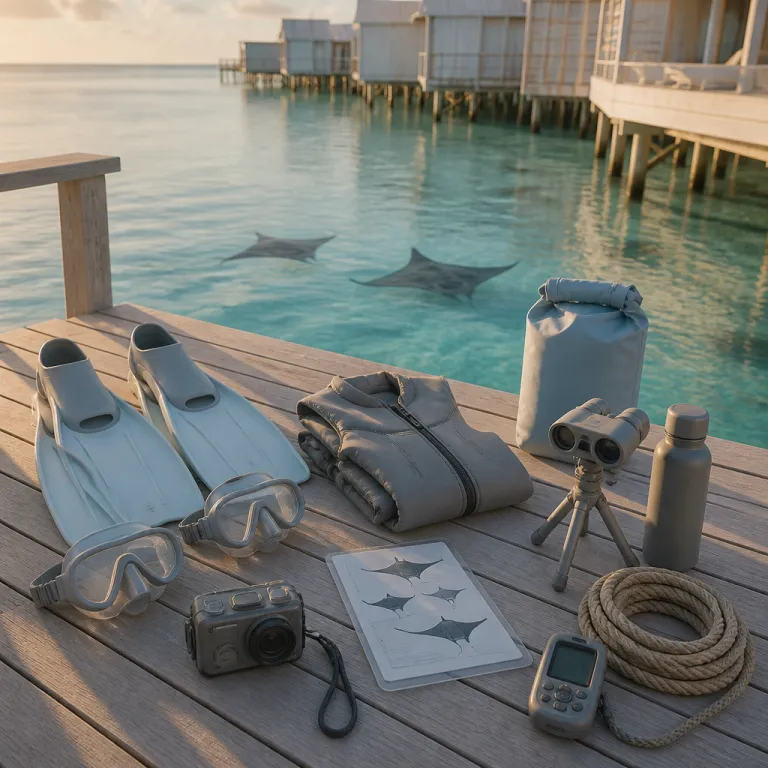
Hanifaru Bay as the Maldives’ most exclusive natural amphitheatre
Hanifaru Bay sits in the heart of Baa Atoll, a compact marine arena where luxury travellers meet raw ocean energy. This small bay in the Maldives concentrates plankton in such density that it attracts manta rays and whale sharks in numbers rarely seen elsewhere. The result is a protected area where high end resorts quietly orbit one of the planet’s most dramatic marine spectacles.
The geography of this island studded atoll funnels currents into the bay, trapping plankton in a shallow bowl only a few hundred metres across. When conditions align, reef manta rays glide in from the outer reef and begin their feeding ballet, looping and barrel rolling through the dense plankton clouds. At peak times, surveys have documented close to 200 individual mantas in the bay, joined by several whale sharks that move slowly through the same marine buffet.1
Because Hanifaru Bay is a strictly marine protected area, access is tightly controlled and only snorkeling is allowed, never a scuba dive. This UNESCO biosphere jewel is managed as part of the wider Baa Atoll UNESCO biosphere reserve, with regulations that limit visitor numbers and time in the water. For travellers booking premium resorts, this means your manta ray encounter is carefully choreographed to protect the rays, whale sharks and reef while still delivering one of the best wildlife experiences in the Maldives.
Choosing the right Baa Atoll resort for Hanifaru Bay access
For guests focused on Hanifaru Bay, the choice of resort in Baa Atoll is as strategic as it is indulgent. Properties such as The Nautilus Maldives and Amilla Maldives sit within comfortable speedboat distance of the bay, pairing private pool villas with dedicated marine biologist teams. These luxury resorts coordinate daily briefings on manta rays, whale sharks and the wider marine ecosystem, so your time in the bay feels informed rather than improvised.
When comparing resorts, ask specifically how often they run excursions to the bay during the June to November southwest monsoon, when plankton concentrations and manta aggregations peak. Some resorts schedule two or three trips per week in high season, while others arrange flexible departures when guides receive real time reports of manta and whale shark activity from the park rangers. The best properties will also cap group sizes, ensuring that each swimmer has space to move without crowding the gentle giants or disturbing the reef manta feeding lines.
Guests who enjoy combining Hanifaru with a taste of local island life can pair a Baa Atoll stay with refined local luxury on another island. For example, travellers often research a guide to Maldivian local luxury before or after their manta focused stay, using it to contrast resort seclusion with authentic village rhythms. Whether you choose The Nautilus Maldives, Amilla Maldives or another of Baa’s high end resorts, confirm that the marine protected status of the bay is central to their excursion planning and not treated as a simple tick box attraction.
What a Hanifaru Bay day trip feels like from a luxury resort
A typical Hanifaru Bay excursion from a five star resort begins with an early breakfast and a detailed briefing from the resident marine biologist. You will learn how the currents push plankton into the bay, why manta rays and whale sharks follow these flows and how to behave respectfully around these gentle giants. Guides explain that only snorkeling is permitted to protect marine life and that scuba gear must stay on the boat.
The speedboat ride across Baa Atoll usually takes 20 to 40 minutes, skimming past sandbanks and reef edges where rays and sharks cruise in deeper water. As you approach the marine protected zone, engines slow and the crew scan the surface for the telltale wingtips of feeding mantas or the dorsal fin of a whale shark. Once the rangers grant access, guests enter the water in small groups, floating above the reef as manta rays sweep past in long, coordinated trains.
Time in the bay is carefully limited, often to around 45 minutes, to reduce stress on the animals and preserve the integrity of this UNESCO biosphere hotspot. After leaving the protected area, many luxury boats stop at a nearby beach or sandbank for a relaxed swim session in calmer water, away from the intensity of the feeding aggregation. Some itineraries then continue to a local island, and travellers who have read about a day on a local island without a villa butler often appreciate how this contrast deepens their understanding of the Maldives beyond the resort reef.
Understanding the science behind the mantas and whale sharks of Hanifaru
The drama of Hanifaru Bay is driven by plankton, the microscopic life that fuels the entire marine food web. During the southwest monsoon, currents push vast quantities of plankton rich water into the bay, where the topography of the reef and atoll traps it in a swirling eddy. Reef manta rays and the occasional whale shark converge on this natural buffet, using specialised gill rakers to filter the dense soup as they glide through the water.
Scientists from organisations such as the Manta Trust have spent years cataloguing individual manta ray and whale shark sightings in Baa Atoll, building photo identification databases that track movements between cleaning station sites and feeding grounds. Their work confirms that many manta rays return to the same bay season after season, underlining the importance of this specific island cluster within the wider Maldives. The presence of both manta rays and whale sharks in such shallow water also makes Hanifaru one of the best open ocean classrooms for guests who want to understand marine ecology while they snorkel.
Because Hanifaru is a designated marine protected area within the UNESCO biosphere reserve, strict rules govern how boats enter, how long they stay and how close swimmers may approach the animals. Guides emphasise that guests should never chase a manta, block its path or attempt to touch any rays, sharks or whales. Respecting these guidelines not only protects the gentle giants but also ensures that future travellers will experience the same sense of awe when they first see a line of mantas sweeping through the bay.
Hidden luxury strategies: timing, pricing and shoulder season advantages
Securing the best Hanifaru Bay experience is not only about choosing the right resort, it is also about timing your trip with care. The core manta season in Baa Atoll runs from June to November, yet the exact weeks of peak plankton blooms shift slightly each monsoon. Guests who plan flexibly within this window, and who stay at least five to seven nights, dramatically increase their chances of multiple encounters with manta rays and whale sharks.
From a pricing perspective, the early and late edges of the season often offer strong value at top tier resorts. Travellers researching a shoulder season Maldives guide quickly see that September can combine lower nightly rates with excellent plankton conditions for reef manta aggregations. Luxury properties such as The Nautilus Maldives and Amilla Maldives sometimes pair these dates with complimentary marine excursions or reduced fees for Hanifaru Bay permits, which are typically arranged through the resort and can add a modest per person charge to each trip.
Weather in the Maldives during the southwest monsoon can bring short, intense showers, yet these same winds and currents are what drive plankton into the bay. Guests who accept a mix of sun and cloud often find that the trade off is more dynamic marine life, with rays, sharks and the occasional whale moving closer to the atoll’s inner reef. For travellers who value wildlife encounters over postcard perfect beach days, this subtle shift in priorities will turn a good trip into an exceptional one.
Practical etiquette and safety for swimming with the gentle giants
Entering Hanifaru Bay for the first time can feel overwhelming, with dozens of manta rays circling in tight formation and the shadow of a whale shark occasionally appearing below. To keep the experience safe and respectful, follow your guide’s instructions closely and remember that you are entering a protected area managed for the animals first. Strong swimmers and less confident guests alike should use well fitting snorkeling gear and stay within a few metres of the group at all times.
When a manta ray approaches, hold your position at the surface and let the animal choose its path, rather than trying to chase it across the bay. The same applies if a whale shark glides past, its huge tail moving slowly but with enough power to create a strong wake that can surprise distracted snorkellers. Guides will often position guests along the edge of the main feeding line, where manta rays pass in a predictable pattern without feeling boxed in by swimmers.
Because this is a strictly marine protected zone within the UNESCO biosphere reserve, no touching, riding or flash photography is allowed around any rays, sharks or whales. Guests should use reef safe sunscreen, avoid standing on the reef and keep fins away from coral heads near the beach or island edges where boats sometimes anchor. By treating Hanifaru, Baa Atoll and the wider Maldives with this level of care, travellers help ensure that future generations will still be able to swim alongside these gentle giants in one of the world’s most remarkable bays.
Key figures that define Hanifaru Bay’s marine spectacle
- Up to around 200 individual reef manta rays have been recorded in Hanifaru Bay during peak plankton events, making it one of the highest density manta aggregation sites known globally (Maldives Magazine, “Hanifaru Bay – Manta Rays’ Secret”; based on data from long term monitoring projects).1
- Whale shark sightings in the bay average roughly 10 per southwest monsoon season, a modest number compared with some atolls but exceptional given the very small size of the bay and its shallow depth (PADI, “Hanifaru Bay: Manta Rays and Whale Sharks”).2
- The core season for manta rays and whale sharks in Baa Atoll runs from June to November, aligning with the southwest monsoon that drives nutrient rich water and plankton into the atoll’s inner reef systems (Manta Trust, “Baa Atoll Manta Project”).3
- Hanifaru Bay lies close to 5.27° N and 73.17° E in the Maldives, a compact marine protected area within the wider Baa Atoll UNESCO biosphere reserve that includes multiple islands and reef structures.2
- Only snorkeling is permitted in the bay, with scuba diving banned to reduce disturbance to manta rays, whale sharks and other marine species, a regulation that has become a model for sustainable tourism management in the region.
FAQ about Hanifaru Bay luxury stays and marine encounters
Is scuba diving allowed in Hanifaru Bay?
No, only snorkeling is permitted in Hanifaru Bay to minimise disturbance to manta rays, whale sharks and other marine life. The ban on scuba diving helps keep bubbles, noise and crowding away from the main feeding lines in this compact bay. Divers can still enjoy excellent reef and shark encounters on nearby sites in Baa Atoll outside the protected area.
When is the best time to visit Hanifaru Bay for manta rays?
The best time to visit Hanifaru Bay for manta rays is between June and November, during the southwest monsoon when plankton concentrations peak. Within this window, conditions vary week by week, so staying several nights in a nearby resort increases your chances of multiple encounters. Resorts in Baa Atoll often coordinate closely with rangers and researchers to time excursions with the strongest manta activity.
How can I obtain a permit to visit Hanifaru Bay?
Permits for Hanifaru Bay are arranged through licensed tour operators, local authorities or directly via your resort in Baa Atoll. Luxury properties such as The Nautilus Maldives and Amilla Maldives typically include permit handling within their excursion packages. Guests should book early in the season, as daily visitor quotas are limited to protect this marine protected UNESCO biosphere site.
Which Maldives resorts are best for accessing Hanifaru Bay?
Resorts located within Baa Atoll offer the most convenient access to Hanifaru Bay, with several high end properties running regular excursions in season. The Nautilus Maldives and Amilla Maldives are among the best known for pairing luxury villas with strong marine biology programmes focused on manta rays and whale sharks. When booking, ask specifically about distance to the bay, frequency of trips and group sizes on their boats.
Is Hanifaru Bay suitable for children and less confident swimmers?
Hanifaru Bay can be suitable for older children and cautious swimmers, provided they are comfortable in open water with a life jacket and guided support. Resorts usually offer flotation devices, close supervision and clear briefings on how to behave around manta rays and whale sharks. Families should discuss conditions with the marine team in advance, as currents and surface chop can vary from day to day.
References
- Maldives Magazine – “Hanifaru Bay – Manta Rays’ Secret” and related reporting on maximum manta ray aggregations in Hanifaru Bay, drawing on field data from local researchers.1
- PADI – “Hanifaru Bay: Manta Rays and Whale Sharks” and educational materials on whale shark sightings, coordinates and seasonal patterns in the Maldives.2
- Manta Trust – “Baa Atoll Manta Project” and research on reef manta ray behaviour, site fidelity and conservation in Baa Atoll.3