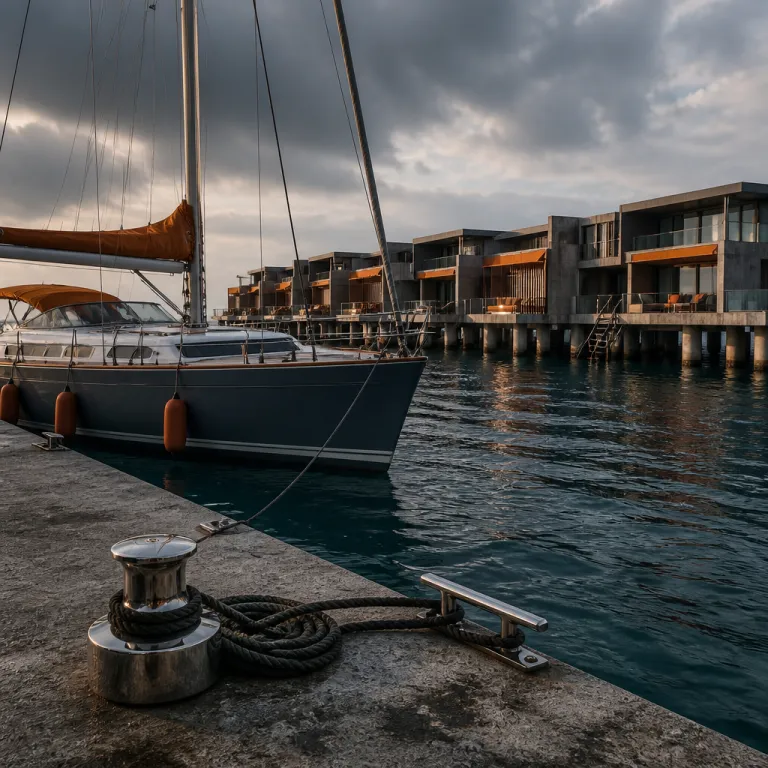
Why a Maldives cruise pairs perfectly with luxury hotel stays
A Maldives cruise adds movement and depth to a classic resort stay. During one trip you can sleep in a luxury hotel on a private island, then board a small ship the next night and wake beside a new atoll. This rhythm lets you enjoy the best comforts on land while using cruising days to reach remote islands and the clearest water.
Most travellers start or end their voyage in Malé, then transfer by speedboat or seaplane to a premium island resort. Seaplane journeys typically take 25–45 minutes each way, while shared transfers often cost from about US$250–600 per person depending on distance and resort category (Maldives Tourism Board, 2023). This makes it easy to split your time between a Maldives cruise itinerary and a few nights in an overwater villa, especially when ships coordinate with resort transfers. When you plan the trip this way, you turn a single destination into several distinct experiences without extra airport stress.
Operators such as Pearl 111 focus on intimate yacht-style journeys with a maximum of 14 guests and personalised service. Larger ocean liners from brands like MSC Cruises call at Malé and nearby islands, which suits travellers who prefer more onboard facilities and structured excursions. G Adventures offers traditional Maldivian dhoni sailing, which feels very different from a floating resort yet still connects smoothly with high-end hotels before or after the voyage.
Choosing the best time of year for a cruise and hotel escape
Weather shapes every Maldives sailing holiday, so timing matters as much as cabin category. The dry season from November to April offers calmer seas and clear skies, which many travellers consider the best time for both cruises and resort stays. If you are planning a luxury escape around the monsoon, detailed guidance such as the Maldives Meteorological Service seasonal outlook (2023) helps you match your preferred sea conditions with hotel availability.
For those who like clear patterns, think of the calendar in two-month blocks such as Jan–Feb, Feb–Mar, and Mar–Apr when seas are usually calmer. Shoulder periods like Apr–Jun and Jun–Jul can bring more showers, yet they often reduce nightly dollar rates at premium hotels and on small-ship itineraries. Later in the year, windows such as Jul–Aug, Aug–Sep, and Sep–Oct may appeal to travellers who accept some rain in exchange for quieter islands and more flexible cruise options.
Peak demand often clusters around Oct–Nov and Nov–Dec when many guests combine a Maldives cruise with festive season stays in flagship resorts. During these weeks, booking both voyages across the Maldives and top-tier hotels well in advance is essential to secure the best suites and cabins. Whenever you choose to visit, align your travel dates so that embarkation and disembarkation days connect smoothly with your resort check-in and check-out times.
How to match cruise style with your preferred Maldivian destination
Not every Maldives itinerary follows the same route, so your choice of cruise should reflect the destinations you value most. Some small-ship programs focus on central atolls near Malé, which simplifies transfers to luxury hotels but limits how far your trip can roam. Others venture towards Baa Atoll or more remote island groups, which rewards you with quieter water and richer diving.
Baa Atoll is a UNESCO Biosphere Reserve and a highlight for many Indian Ocean cruise enthusiasts who prioritise marine life. Here, a night anchored near Hanifaru Bay can coincide with manta ray season, turning a standard voyage into one of the best wildlife experiences in the region. If you prefer culture, consider itineraries that include local islands where you can step ashore, meet Maldivian families, and see how life unfolds beyond the resort gates.
Travellers who dislike crowds often favour periods like Aug–Sep, when some argue the green season delivers softer light and fewer visitors, as explored in Maldives Tourism Board visitor trend summaries (2023). These months can be ideal for pairing a quieter Maldives cruise with a premium resort that offers strong wet-weather facilities such as large spas and indoor lounges. Whether you choose central atolls or far-flung islands, confirm that your cruise operator and hotel both understand your priorities for diving, snorkelling, and cultural visits.
Designing an itinerary that balances water based adventure and hotel comfort
A well-planned Maldives cruise and hotel combination should feel seamless rather than rushed. Start by deciding how many nights you want on the water versus on a private island, then allocate time for both rest and activity. Many travellers find that four nights on a cruise and three to five nights in a luxury resort create a balanced trip.
Onboard, days revolve around water-based experiences such as snorkelling, diving, and stand-up paddling in lagoons that change with each anchorage. Traditional dhonis and modern yachts carry snorkelling gear and fishing equipment, while some cruise ships add spas, gyms, and fine dining that rival high-end hotels. At night you return to your cabin, often under some of the clearest skies in the Indian Ocean, then wake beside a new island without ever packing a suitcase.
On land, your resort stay can focus on spa rituals, private sandbank dinners, and curated excursions to nearby local islands. If you want to understand the real Maldives beyond polished resorts, consider a day trip such as a guided local island travel experience on Maafushi, where half-day tours in 2023 typically cost from about US$40–80 per person depending on inclusions. By alternating between the structure of a Maldives cruise and the freedom of a resort, you create a journey that feels both adventurous and deeply relaxing.
Practical planning: budgets, transfers, and cultural etiquette
Luxury does not remove the need for careful planning when you combine a Maldives cruise with premium hotels. Start by setting a realistic dollar budget that includes flights, cruise fares, resort nights, seaplane transfers, and extras such as diving or private excursions. Remember that many high-end properties and cruise operators quote in US dollars, while local islands use the Maldivian rufiyaa for everyday transactions.
Transfers usually run through Malé, where you may need a night in a city hotel if flight times do not align with cruise embarkation. Most nationalities receive a free 30-day visa on arrival, which simplifies travel logistics for complex itineraries that also include nearby Sri Lanka before or after the Maldives. When comparing options, a large cruise ship is better for travellers who want extensive onboard facilities, while a small vessel excels at accessing shallow lagoons and quieter anchorages.
Respect for local culture matters whenever you visit inhabited islands during your Maldives cruise. Dress modestly on local islands, avoid public displays of affection, and remember that alcohol is restricted outside resorts and cruise vessels licensed to serve it. Pack light, breathable clothing, reef-safe sunscreen, and a reusable water bottle to reduce plastic waste while supporting the eco-friendly practices many Maldivian operators now prioritise.
Choosing the right cruise operator to complement your hotel style
The operator you choose for your Maldives cruise will shape how well the voyage aligns with your preferred hotel experience. Pearl 111 offers intimate cruises with a maximum of 14 guests, which suits travellers who value privacy and a service style similar to a small luxury island resort. MSC Cruises provides sailings to Malé, the capital of the Maldives, which can be ideal if you enjoy the scale and entertainment options of larger cruise ships.
For travellers who want a more adventurous feel, G Adventures offers sailing tours aboard traditional dhonis that pair well with simpler guesthouses or understated premium hotels. Some international lines such as Holland America include the Maldives or Sri Lanka within wider Indian Ocean itineraries, which allows you to visit the archipelago as part of a longer voyage while still adding a few nights in a flagship resort. When you compare these cruises across the Maldives, look at cabin categories, included excursions, and how easily each itinerary connects with your chosen hotel.
Industry trends show increased demand for eco-friendly cruises, rising popularity of liveaboard experiences, and strong growth in luxury cruise offerings. As one expert summary notes, “The dry season from November to April offers calm seas and clear skies.” Use this guidance as a baseline, then refine your own best time to travel by considering whether you prioritise diving visibility, quiet islands, or specific cultural events.
Key figures that shape luxury cruise and hotel planning in the Maldives
- The Maldives consists of about 1,192 islands spread across the Indian Ocean, which explains why a Maldives cruise is often the most efficient way to visit multiple atolls within a single trip (Maldives Tourism Board, 2023).
- Around 1,500,000 tourists travel to the Maldives each year, so booking both cruises and premium island hotels early is essential during peak periods such as Nov–Dec and Jan–Feb (Maldives Tourism Board, 2023).
- The average temperature in the Maldives is close to 30 °C, meaning warm water conditions for diving and snorkelling throughout the year, though sea state and rainfall still vary by season (Maldives Meteorological Service, 2023).
- Many cruise itineraries in the region last about seven days, which pairs naturally with three to five additional nights in a luxury resort to create a balanced ten- to twelve-night holiday.
- Most visitors receive a free 30-day visa on arrival, which simplifies complex itineraries that combine a Maldives cruise with a side trip to Sri Lanka or other Indian Ocean destinations (Government of Maldives, 2024).
FAQ about combining a Maldives cruise with luxury hotel stays
What is the best time to cruise in the Maldives if I also want a resort stay?
The dry season from November to April offers calm seas and clear skies, which usually makes it the best time to combine a Maldives cruise with a luxury hotel stay. These months provide more predictable conditions for seaplane transfers, snorkelling, and diving. Shoulder periods can still work well if you accept some rain in exchange for lower rates and fewer guests.
Are Maldives cruises suitable for families staying in premium resorts?
Are Maldives cruises suitable for families? Yes, many cruises offer family-friendly activities and accommodations. When you pair these voyages with resorts that provide kids’ clubs and shallow lagoons, a combined trip can work very well for multi-generational travel.
Do I need a visa for a Maldives cruise and hotel holiday?
Do I need a visa for a Maldives cruise? Most nationalities receive a free 30-day visa on arrival, which covers both your time on cruise ships and your stay in Maldivian hotels. Always check current entry rules with official government sources before you travel, especially if you plan to combine the Maldives with Sri Lanka or other nearby destinations.
How far in advance should I book my cruise and resort in the Maldives?
For peak periods such as Dec–Jan and popular windows like Oct–Nov, you should book both your Maldives cruise and your preferred resort at least six to nine months ahead. This is especially true for small-ship voyages and high-demand villas such as overwater suites with private pools. Outside peak season, three to six months is often enough, though specific atolls and special events can still sell out earlier.
Can I focus my cruise on diving while my hotel stay is more relaxed?
Many travellers use a Maldives cruise as the active part of their holiday, concentrating their diving and snorkelling during those days at sea. Afterwards they move to a luxury island resort where the focus shifts to spa time, fine dining, and slower-paced water activities. This split itinerary works particularly well in areas like Baa Atoll, where marine life is exceptional and hotel standards are among the best in the region.