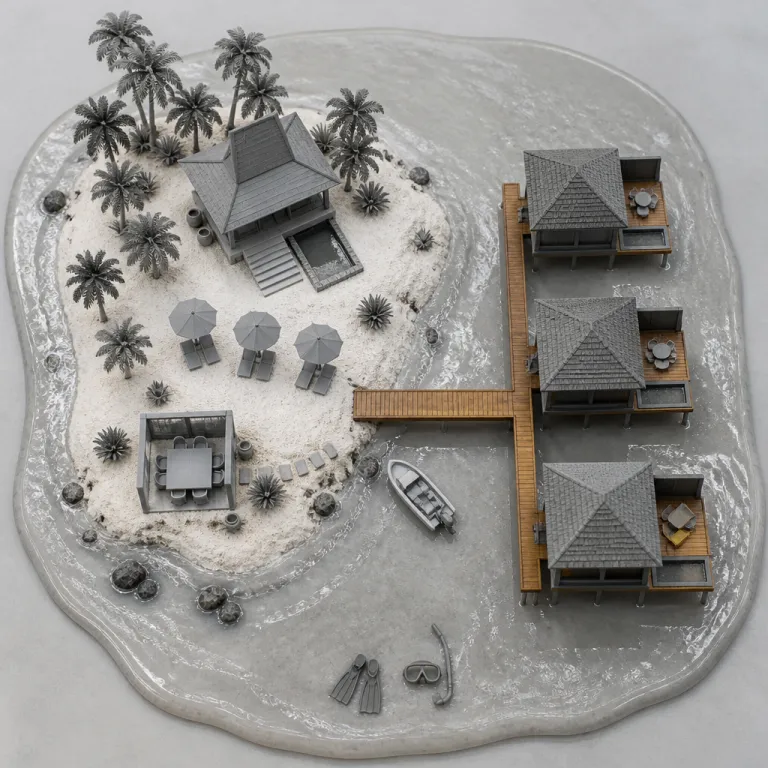
Section 1 – Curating the most memorable things to do in the Maldives
Planning refined things to do in the Maldives starts with understanding how each island shapes your stay. A private resort island offers controlled luxury, while a nearby inhabited island reveals the local rhythm of daily life. Balancing both gives you the Maldives’ best blend of comfort, culture, and marine life in a single trip.
Most travellers arrive at Velana International Airport in Malé, then transfer by speedboat or seaplane across the Indian Ocean to their chosen resort. The short hop over Malé Atoll or the North Malé region already hints at the experiences Maldives holidays do best, with reefs, sandbanks, and inhabited islands scattered like pearls below. A speedboat ride to resorts such as Kurumba Maldives can take as little as 15 minutes and typically costs from around US$100–150 per person return, while a seaplane to Baa Atoll properties like Soneva Fushi or Anantara Kihavah usually takes 30–40 minutes and often starts from roughly US$400–700 per person. Choosing a resort spa or overwater villa close to a vibrant reef means that snorkeling, reef shark sightings, and colourful fish become part of your everyday routine.
Luxury travellers often ask which atoll offers the best balance of privacy and activities. Baa Atoll stands out for manta ray and whale shark encounters, while some resort islands in North Malé focus on refined water sports and curated dining. When you shortlist resorts, look for guided snorkeling, half-day marine safaris, and access to local islands, because these are the elements that transform a simple beach stay into a true Maldives bucket list experience. One guest described a morning spent snorkeling with turtles off a Baa Atoll sandbank and an evening tasting Maldivian curries in a local home as “the day that made the whole trip feel real.” Another traveller recalled watching reef sharks glide under their villa at dawn, calling it “the moment I finally understood why people return year after year.”
Choosing between resort islands and local islands
Every resort island in the Maldives is its own self-contained world, with curated water sports, a resort spa, and private stretches of beach. In contrast, an inhabited island or local island stay brings you closer to Maldivian culture, traditional fishing, and everyday island life. Combining both styles within one trip lets you enjoy the Maldives’ best comforts while still connecting with the people who call these islands home.
Section 2 – Timing your trip and reading the Maldivian seasons
For many guests, the best time to enjoy the classic things to do in the Maldives is between November and April, when skies are clearer and seas calmer. During these months, water visibility is excellent for snorkeling, and boat transfers between islands and atolls feel smoother and more predictable. According to local guidance from resort operators and dive centres, “November to April offers the best weather” for predictable sunshine and gentle seas.
That said, a luxury-focused trip does not need to avoid the shoulder months, especially if you are chasing marine life encounters. Properties highlighted in specialist guides to the shoulder season in the Maldives, such as those focusing on September diving at half the rate, often deliver excellent value with fewer guests. During these periods, Baa Atoll and other regions can see increased plankton, which attracts manta rays, reef sharks, and sometimes whale sharks close to the surface. Peak manta gatherings in areas such as Hanifaru Bay typically occur from June to November, while whale shark sightings in certain southern atolls are often strongest from December to April, depending on currents.
Weather patterns also influence which islands and atolls feel most appealing at different times. A resort island in North Malé or Malé Atoll may be ideal for a short half-day escape from the capital, while more remote inhabited islands suit longer, slower trips. When you plan your travel dates, match your priorities, whether that is calm water for gentle snorkeling, dramatic skies for photography, or peak marine life for a true bucket list dive experience.
Aligning activities with the season
Calmer months are ideal for first-time snorkeling, stand-up paddleboarding, and glass-bottom kayak excursions. When seas are livelier, experienced guests often focus on drift dives along the outer reef, where marine life is more concentrated. Ask your resort spa concierge or activity team to explain how the current season shapes the best things Maldives stays can offer during your visit.
Section 3 – Marine life, reefs, and responsible snorkeling
For many travellers, the most compelling things to do in the Maldives happen just below the water’s surface. With more than 250 documented coral species in the country’s reefs, according to the Maldives Marine Research Institute (MMRI, 2023), even a gentle swim from the beach can reveal a surprising variety of fish and marine life. Choosing a resort or inhabited island with a healthy house reef means you can step from sand to reef within minutes.
Snorkeling is usually the first activity guests try, and resort staff guides often lead small groups to nearby coral gardens. Typical half-day itineraries might include morning snorkeling on the inner reef, followed by an afternoon drift along an outer atoll wall where reef sharks cruise in the blue. Many luxury resorts now brief guests carefully on reef-safe sunscreen and respectful distances from turtles, mantas, and whale sharks to protect fragile ecosystems.
When planning a premium stay, consider how your chosen property supports conservation and education. Some resorts in Baa Atoll and North Malé partner with marine biologists who track manta rays, whale shark sightings, and coral health, inviting guests to join data collection activities. For a deeper understanding of seasonal patterns, consult guides on planning your Maldives stay around the monsoon period, which explain how currents influence plankton blooms and, in turn, the movement of larger species.
Safety and etiquette in the water
Luxury travellers sometimes underestimate how quickly conditions can change around an atoll or channel. Always follow instructions from resort staff or local guides, who understand the behaviour of reef sharks, currents, and boat traffic. When swimming with whale sharks, remember that “Is it safe to swim with whale sharks? Yes, they are gentle and harmless to humans.” Stay at least a few metres from the animal, avoid flash photography, and never block its path, so encounters remain safe and respectful for everyone.
Section 4 – Signature experiences: from Malé to Baa Atoll
Beyond the classic beach and lagoon views, the most memorable things to do in the Maldives often involve movement between islands and atolls. Start with a short cultural stop in Malé, where the fish market, mosques, and harbour reveal a very different side of island life. From there, speedboats fan out across Malé Atoll and North Malé, linking the capital to resort islands and inhabited islands that feel a world away from the busy waterfront.
Many premium resorts curate full-day and half-day experiences that combine water sports, snorkeling, and local culture. A typical itinerary might include a morning visit to a local island, an afternoon reef snorkel with reef sharks and turtles, then a sunset cruise to watch dolphins play in the Indian Ocean. These are the activities Maldives itineraries do particularly well, because distances between islands are short, yet each stop offers a distinct atmosphere.
For guests seeking headline marine life, Baa Atoll remains a highlight thanks to seasonal gatherings of manta rays and whale sharks in certain lagoons. Specialist operators and resort staff guides know when manta aggregations are likely, adjusting departure times to maximise your chances. If you prefer a more tranquil pace, choose a resort island with a strong resort spa programme, where you can alternate marine excursions with treatments that use Maldivian coconut, sea salt, and water-inspired rituals.
From underwater restaurants to traditional fishing
Innovation has brought underwater restaurants and glass-walled wine cellars to several high-end resorts across the Maldives. These venues let you dine while reef fish and rays glide past, turning a simple meal into a theatre of marine life. For contrast, join local fishermen on a traditional line fishing trip, where the focus shifts from spectacle to the quiet rhythm of island livelihoods.
Section 5 – Matching luxury resorts to your travel style
Choosing where to stay is as important as choosing what things to do in the Maldives. Some resorts specialise in privacy and romance, with overwater villas, in-villa dining, and quiet stretches of beach. Others lean into activity, with extensive water sports centres, dive schools, and daily excursions to nearby inhabited islands.
When comparing options, look closely at how each resort island integrates with its surrounding atoll. Properties close to Malé or within Malé Atoll minimise transfer times, which suits shorter trips or guests who prefer less time on boats. More remote islands in Baa Atoll or outer atolls often reward the extra travel with richer reefs, fewer neighbouring resorts, and a stronger sense of immersion in the Indian Ocean.
For travellers who want a balanced programme of relaxation and activity, consider resorts that highlight both a serious dive centre and a well-regarded resort spa. Guides such as this elegant overview of Fun Island Resort & Spa and nearby premium stays show how one island can anchor a wider itinerary. By pairing a main resort with visits to local islands and inhabited islands nearby, you can experience both curated luxury and authentic Maldivian life within a single trip.
Practical booking considerations for premium stays
Before confirming your reservation, review transfer options from Velana International Airport, especially if your flight arrives late. Some islands are only accessible by seaplane during daylight, while others in North Malé offer 24-hour speedboat transfers. Clarify what is included in your rate, from snorkeling gear and non-motorised water sports to guided half-day excursions, so you can budget accurately and focus on the experiences Maldives holidays do best for you.
Section 6 – Integrating local culture into a luxury Maldives itinerary
Luxury travellers increasingly want things to do in the Maldives that go beyond the resort gates. Visiting a local island or inhabited island with a knowledgeable guide offers insight into how Maldivians balance tradition and modern tourism. You might see boat building, fish drying, or schoolchildren heading home along sandy lanes, all framed by the same turquoise water that surrounds your resort.
Responsible operators design these visits to respect customs and support local economies. Dress modestly when walking through inhabited islands, ask before taking photographs, and consider buying handicrafts or snacks from small family-run shops. Many resorts now partner with local tour operators and fishermen, ensuring that income from excursions circulates within island communities rather than remaining solely within resorts.
Back at your resort island, you can reflect on these encounters while enjoying the comforts of a resort spa, fine dining, or a quiet sunset on the beach. This contrast between curated luxury and everyday island life is one of the Maldives’ best qualities for thoughtful travellers. By choosing experiences that highlight both marine life and human stories, your trip becomes more than a checklist of things to do; it becomes a nuanced relationship with the atolls, reefs, and people of the Indian Ocean.
Key figures that shape a Maldives stay
- The Maldives Marine Research Institute reports more than 250 coral species across the country’s reefs (MMRI, 2023), which underpins the exceptional snorkeling and diving experiences available around many resort islands.
- The Maldives Ministry of Tourism recorded over 1,800,000 tourist arrivals in 2023 (Ministry of Tourism, 2024), illustrating how a chain of small islands has become one of the Indian Ocean’s most sought-after luxury destinations.
- Many resorts structure their daily activity timeline around three core moments: morning snorkeling, afternoon diving, and an evening sunset cruise, which together cover the most popular marine life encounters in a typical day.
- Eco-focused properties increasingly promote reef-safe sunscreen and reduced plastic use, aligning luxury travel with marine conservation goals that protect reef sharks, manta rays, and whale sharks for future visitors.
FAQ about planning things to do in the Maldives
What is the best time to visit the Maldives for a luxury stay?
The most reliable weather for a luxury-focused trip usually falls between November and April, when seas are calmer and visibility is higher. These months are ideal for snorkeling, water sports, and smooth transfers between islands and atolls. Shoulder seasons can still be rewarding, especially for divers seeking manta rays and whale sharks, but expect more variable conditions.
Are there budget-friendly options alongside premium resorts?
Yes, guesthouses on local islands offer more affordable stays that can complement nights in a high-end resort. Many travellers split their trip between a resort island and an inhabited island to balance cost and comfort. This approach also increases contact with local culture while still allowing time in a full-service resort spa environment.
Is it safe to swim with whale sharks in the Maldives?
Designated whale shark areas operate under clear guidelines that prioritise both guest safety and animal welfare. Boats maintain set distances, and guests are briefed on how to enter the water calmly and avoid touching the animals. Operators emphasise that “Is it safe to swim with whale sharks? Yes, they are gentle and harmless to humans.”
Should I book activities like snorkeling and diving in advance?
For peak periods and specialist excursions, advance booking is strongly recommended. Popular half-day trips to famous reefs, manta ray hotspots, or local islands often have limited capacity to protect marine life and guest experience. Contact your resort or trusted tour operator before arrival to secure preferred dates and times.
How can I make my Maldives trip more sustainable?
Choose resorts that support marine research, reduce plastic use, and employ local staff from nearby inhabited islands. Use reef-safe sunscreen, respect guidelines around coral and marine life, and consider joining conservation-focused activities such as reef monitoring. Spending time and money on local islands, whether through guided visits or community-run excursions, also helps distribute tourism benefits more fairly.
What does a short luxury itinerary in the Maldives look like?
A simple three-day plan might include: Day 1, arrive at Velana International Airport, transfer by speedboat to a North Malé resort, and enjoy sunset cocktails; Day 2, join a morning house-reef snorkel, relax at the resort spa, then take an evening dolphin cruise; Day 3, visit a nearby local island for a guided cultural walk before a final swim and your transfer back to Malé.