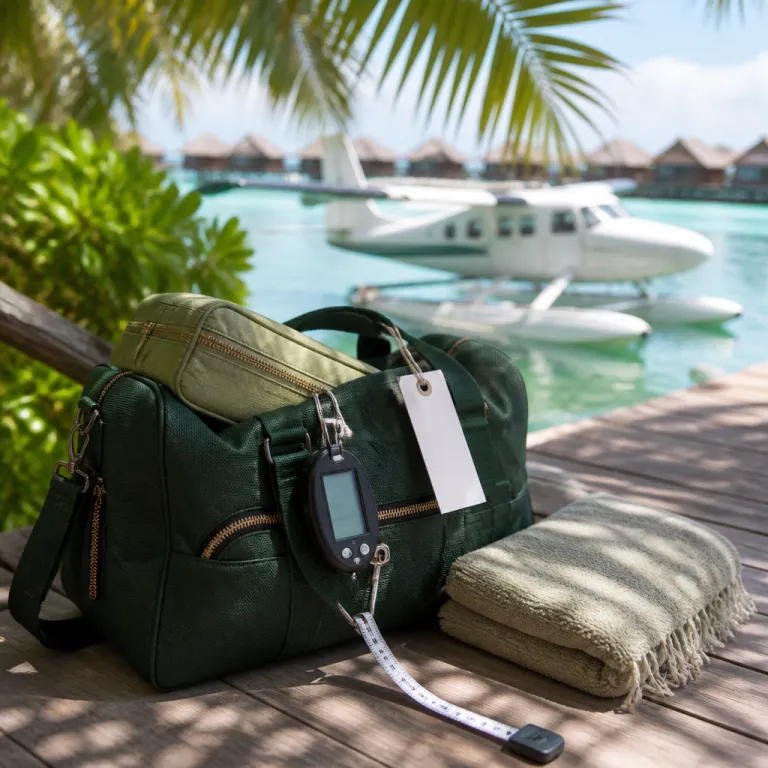
Understanding Manta Air seaplane baggage allowance in the Maldives
Manta Air sits at the heart of premium air transfers that link Malé to remote luxury resorts across the Maldives. When you plan a high end resort booking, the Manta Air seaplane baggage allowance in the Maldives quietly shapes what you can bring and how smoothly your transfer process unfolds. Knowing the precise baggage allowance before your flight helps you align expectations with the realities of seaplane operations and limited aircraft carriage capacity.
On many Manta Air seaplane flights, the typical checked baggage allowance is around 20 kg per person, while permitted hand luggage is usually 5 kg per person carried into the aircraft cabin. These baggage limits often apply whether your resort transfer uses a direct seaplane flight or a combination of domestic flight and speedboat, because the same safety and weight balance rules govern all air transfers. However, baggage rules can change, and specific allowances may vary by ticket type or route, so always confirm the latest figures on Manta Air’s official website or in your booking documents. Any excess baggage above the checked allowance will normally be accepted only if space permits, and this excess baggage is charged at a fixed rate per kilogram, which can quickly add up on longer itineraries.
Because a seaplane aircraft such as a Twin Otter operates from the water and lands near your atoll, weight and balance are more sensitive than on larger domestic flights. The Manta Air seaplane baggage allowance in the Maldives is therefore not a marketing choice but a safety requirement that protects every passenger on board during take off, landing, and low altitude cruising over crystal clear lagoons. When you complete your booking, your resort and Manta Air will coordinate your transfer process, but it remains your responsibility to ensure that your baggage will comply with both checked and hand luggage rules before you reach the airport.
How baggage rules shape your luxury resort choice and atoll itinerary
For travellers planning manta encounters or spa retreats, the Manta Air seaplane baggage allowance in the Maldives can influence which atoll and which resort you finally select. Properties in Baa Atoll or Ari Atoll often rely almost entirely on seaplane operations, while others closer to Malé may combine a domestic flight with a flight speedboat connection. When you compare resorts, ask how their preferred air transfers work, what baggage allowance applies on each segment, and whether any excess baggage will be charged differently on domestic flights versus seaplane flights.
Many high end resorts in Baa Atoll partner closely with Manta Air, because this atoll is renowned for reliable manta sightings at cleaning stations and crystal clear channels. If you are planning a stay focused on manta experiences, you may find it helpful to read a specialist guide such as this one on reliable manta encounters and cleaning stations before finalising your booking. Once you have chosen your resort, the reservations équipe will usually pre book your seaplane transfers and share the exact baggage allowance, including any specific rules for children age brackets or sports equipment carriage.
Families travelling with young children often underestimate how quickly baggage weight accumulates when packing toys, snorkelling gear, and formal wear for resort restaurants. Because the Manta Air seaplane baggage allowance in the Maldives is fixed per seat, not per family, you should calculate total checked baggage and hand luggage for every traveller, including each child, before leaving home. For example, a family of four planning a week in Baa Atoll might allocate one shared suitcase for beachwear, one for evening outfits, and one for children’s items, then weigh each bag to stay within the combined limit. If you expect to exceed the allowance, contact Manta Air or your resort in advance, as some resorts can arrange separate domestic flights or cargo style transfers for heavy items, reducing waiting time at the airport and avoiding last minute stress about what baggage will actually travel with you.
From Malé airport to your villa: timing, waiting, and the transfer process
Your journey with Manta Air usually begins at Velana International Airport in Malé, where you clear immigration, collect your checked baggage, and meet your resort representative. This is the moment when the Manta Air seaplane baggage allowance in the Maldives becomes very real, because every bag is weighed before you proceed to the seaplane terminal. If your baggage exceeds the allowance, the excess baggage will be charged on the spot, and in some cases part of your baggage will travel on a later flight depending on seaplane operations and available carriage capacity.
After check in, you transfer by shuttle to the dedicated seaplane terminal, where many resorts maintain elegant lounges overlooking the crystal clear lagoon. Your waiting time before boarding depends on your international flight arrival time, the pre published Manta Air flight schedule, and how many guests are sharing your air transfers to the same atoll. Because seaplane aircraft such as the Twin Otter operate only during daylight hours, late arriving flights may require an overnight stay in Malé or a switch to a domestic flight plus flight speedboat combination, which again may involve slightly different baggage allowance rules.
For travellers heading to quieter southern atolls, the transfer process can involve a domestic flight followed by a speedboat, instead of a direct seaplane. These southern routes are gaining attention, and a detailed perspective such as this analysis of why the quiet atolls are changing can help you decide whether the extra time airport connections are worthwhile. Whatever your route, keep your travel documents, valuables, and essential medication in your hand luggage, because checked baggage can occasionally be delayed when seaplane operations are disrupted by weather or when excess baggage must be split across several flights.
Packing strategies for seaplane comfort and resort elegance
Thoughtful packing is the most effective way to respect the Manta Air seaplane baggage allowance in the Maldives while still arriving with everything you need for a luxury stay. Start by weighing every suitcase and piece of hand luggage at home, then compare the total with the checked and cabin baggage allowance confirmed in your booking documents. Soft sided baggage is strongly recommended for seaplane aircraft, because it fits more easily into the limited carriage compartments of a Twin Otter and reduces loading time at the airport.
For a typical one week stay at a premium resort, most guests find that 20 kg of checked baggage is sufficient when they focus on light resort wear, one or two elegant evening outfits, and compact snorkelling gear. Heavy items such as professional camera housings or dive equipment can quickly push you into excess baggage territory, where each additional kilogram will be charged at the published rate, so consider renting gear at the resort instead. A diver travelling with a full set of equipment, for instance, might pack only essential personal items and rely on the resort’s rental service for weights and tanks, keeping their own bags within the Manta Air seaplane baggage allowance in the Maldives.
When packing hand luggage, prioritise essentials that you cannot replace easily at your resort, such as prescription medication, key travel documents, and a change of light clothing in case your checked baggage is delayed by seaplane operations. Keep electronics and fragile items in your cabin bag, because checked baggage can be handled several times during transfers between domestic flights, seaplane flights, and speedboats. If you are travelling with children, pack a small selection of snacks and quiet activities in their hand luggage, taking into account any children age related rules about liquids and security screening at the time airport staff process your bags. As a simple checklist, think in terms of documents, medication, valuables, one change of clothes, chargers and adapters, and one small comfort item per child.
Aligning hotel booking choices with air transfers and atoll logistics
When you browse a luxury and premium hotel booking website focused on the Maldives, pay close attention to how each property describes its air transfers and seaplane or domestic flight connections. A resort in Baa Atoll may rely almost entirely on Manta Air seaplane flights, while another in Ari Atoll might offer a choice between a direct seaplane and a shorter domestic flight followed by a speedboat. These logistics directly affect not only your travel time but also how strictly the Manta Air seaplane baggage allowance in the Maldives will apply to every segment of your journey.
Some resorts bundle the cost of air transfers and baggage allowance into their room rates, while others charge transfers separately, which can influence your overall budget. When you compare options on a booking platform, look for clear explanations of the transfer process, including whether excess baggage will be charged by the airline, by the resort, or by both in different circumstances. For example, a detailed resort guide such as this overview of Fun Island Resort and nearby premium stays can help you understand how specific properties manage their flights, speedboats, and baggage policies.
High end travellers often split their stay between two or more resorts, perhaps starting in Ari Atoll for diving and finishing in Baa Atoll for manta viewing, which multiplies the number of flights and transfers. Each additional seaplane or domestic flight segment increases the chance that excess baggage will be charged again, especially if seaplane operations are busy and carriage capacity is tight. To avoid surprises, ask your booking consultant to map every flight, transfer, and baggage allowance in writing, including how baggage will be handled if weather forces a switch from seaplane to domestic flights at short notice.
Family travel, special requests, and what Manta Air says about baggage
Families and multi generational groups often have more complex baggage needs, from strollers and baby cots to sports equipment and formal wear for resort dinners. When planning your trip, inform both your resort and Manta Air about any special items that may affect the Manta Air seaplane baggage allowance in the Maldives, so they can advise whether these should travel as checked baggage, hand luggage, or separate cargo. Clarifying these details in advance reduces waiting time at the airport and helps ensure that all your baggage will arrive at the same time as your family.
Children age policies can vary between airlines and resorts, particularly regarding discounted seats and how much baggage allowance is granted to infants without their own seat. On Manta Air seaplane flights, every occupied seat contributes to the total weight calculation, so even small variations in baggage can affect how the Twin Otter aircraft is loaded for safe carriage. For this reason, the airline emphasises that passengers should pack light and respect the published baggage allowance, especially during peak seasons when flights and air transfers are operating at full capacity.
Manta Air summarises its position clearly in its own guidance to travellers: “What is the checked baggage allowance for Manta Air seaplane flights? 20 kg per passenger. How much carry-on baggage is allowed on Manta Air seaplane flights? 5 kg per passenger. What are the fees for excess baggage on Manta Air seaplane flights? excess baggage is charged per kilogram over the allowance, subject to space on the aircraft.” These figures are provided here as an example of the airline’s published information at the time of writing; always verify the latest policy and any updated excess baggage fee directly with Manta Air or your resort before you travel. By aligning your hotel booking, your transfer process, and your packing strategy with these rules, you turn a potentially stressful logistics puzzle into a seamless prelude to your time in a crystal clear lagoon facing a world class resort.
Key figures on Manta Air seaplane baggage allowance in the Maldives
- Manta Air commonly grants around 20 kg of checked baggage per passenger on its seaplane flights, a limit driven by strict weight and balance requirements on small aircraft operating from water in the Maldives.
- Each traveller is usually allowed 5 kg of hand luggage in the cabin, which must fit into limited storage spaces on Twin Otter seaplane aircraft used for resort transfers.
- Excess baggage on Manta Air seaplane services is often charged per kilogram above the allowance, and the exact rate is published by the airline in its current baggage policy; because this figure can change, always check the latest amount in your booking confirmation or on the airline’s official channels.
- Because seaplane operations run only during daylight hours, late arriving international flights into Malé airport may require a domestic flight plus speedboat transfer, where similar baggage allowance rules usually apply.
- Growing demand for seaplane transfers to remote atolls has led Manta Air to publish flight schedules in advance, helping resorts coordinate bookings and reduce waiting time at the airport for guests.
FAQ about Manta Air seaplane baggage allowance and Maldives resort transfers
What is the standard baggage allowance on Manta Air seaplane flights in the Maldives ?
The standard baggage allowance on many Manta Air seaplane flights is 20 kg of checked baggage plus 5 kg of hand luggage per passenger, as reflected in the airline’s own guidance at the time of writing. These limits apply to most resort transfers operated by Manta Air across the Maldives. Any weight above this allowance is treated as excess baggage and is subject to additional charges if carriage space is available, so always reconfirm the exact allowance shown on your ticket or booking voucher.
How are excess baggage fees calculated for Manta Air resort transfers ?
Excess baggage on Manta Air seaplane services is charged per kilogram above the combined checked baggage allowance. The precise rate is set by the airline and may be revised over time, so you should check the current fee in your booking documents or with your resort before travelling. Because seaplane aircraft have limited capacity, excess baggage may travel on a later flight if the original flight is already at its safe weight limit, so keep essentials in your cabin bag.
Does the baggage allowance differ between seaplane flights and domestic flights in the Maldives ?
In many cases, the baggage allowance on domestic flights within the Maldives is similar to that on seaplane flights, but exact limits can vary by airline and route. When your resort transfer combines a domestic flight with a speedboat, you should confirm whether the lower allowance applies to all segments. Your resort or booking agent can provide written confirmation so you know how much baggage will be accepted without extra fees.
How should I pack my baggage for a Manta Air seaplane transfer to a luxury resort ?
Use soft sided suitcases or duffel bags for checked baggage, as these fit more easily into the limited storage holds of seaplane aircraft. Keep valuables, travel documents, medication, and one change of clothes in your hand luggage within the 5 kg limit, in case checked baggage is delayed by seaplane operations or weather. Weigh all bags before departure to ensure that your total baggage will remain within the Manta Air seaplane baggage allowance in the Maldives, and avoid packing unnecessary heavy items that could trigger excess baggage fees.
Can children and infants carry the same baggage allowance on Manta Air flights ?
Children with their own booked seat usually receive the same baggage allowance as adults on Manta Air seaplane flights, while infants without a seat may have a reduced or shared allowance depending on the fare rules. Because policies can change, always confirm how children age categories affect baggage limits when you make your booking. This helps families avoid unexpected excess baggage charges at Malé airport or at regional domestic terminals, and ensures that essential items for babies and young children are packed within the permitted limits.