Why the right Maldives house reef changes your entire stay
The difference between a pleasant swim and transformative maldives house reef marine biology snorkelling is the reef under your fins. On the right island, a healthy house reef wraps the lagoon like a living amphitheatre, turning every entry from the beach or villas staircase into a front row seat on marine life. When you choose among maldives resorts, think less about the largest villa and more about the best house reef that you can reach in two minutes from your island house or overwater villa.
Across the maldives, a house reef means the coral structure that sits close to the shore and drops into deeper ocean water. Some resorts sit on islands with steep reefs that fall quickly into blue water, while others have broad lagoons with patch reefs scattered like coral gardens. For serious snorkeling and snorkelling couples, the most rewarding resort maldives options usually combine an accessible house reef with a knowledgeable marine biologist and a well run dive centre that understands currents and reef etiquette.
Look for maldives offers that highlight marine biology, not only spa menus and floating breakfasts. When a resort invests in a resident marine biologist and a dedicated marine team, it signals that the house reefs are monitored, mapped and often part of citizen science programmes. On mymaldivesstay.com, we prioritise maldives house reef marine biology snorkelling where the reef, the lagoon and the surrounding reefs maldives are treated as the island’s true luxury asset rather than just a pretty backdrop for villas and overwater decks.
Reading coral health: colour, texture and the story beneath the surface
Once you slip into the water, the first maldives house reef marine biology snorkelling skill is learning to read coral colour. Healthy coral colonies show layered tones of brown, green, purple or blue, with a slightly fuzzy texture from extended polyps that feed in the water column. When a reef turns chalk white over large patches, you are looking at coral bleaching, a stress response that every responsible resort maldives should explain during briefings.
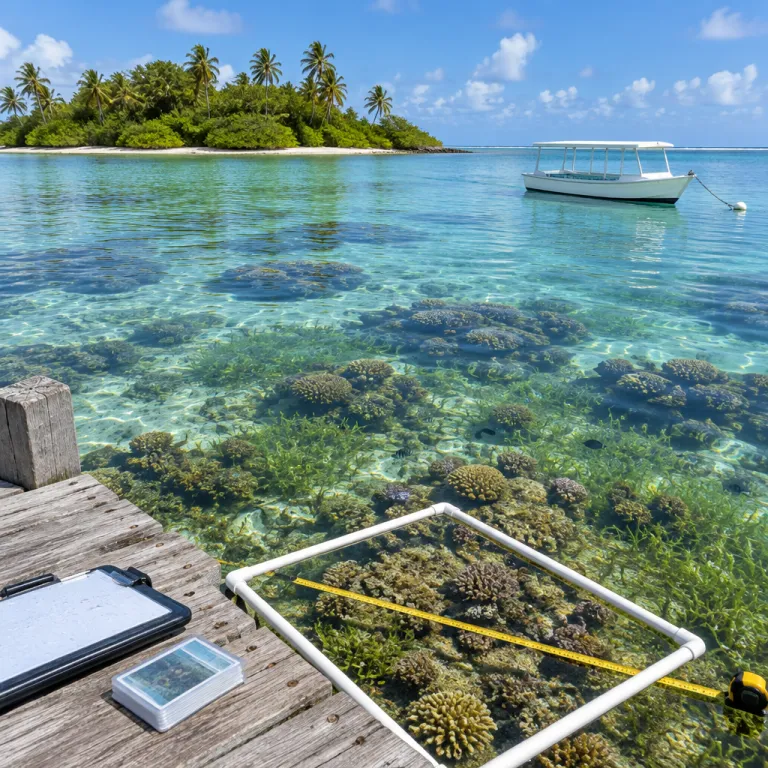
On a strong house reef, you will see living corals growing in complex shapes, from branching staghorn to massive boulder forms and delicate plates. Dead coral rubble looks broken, grey and often covered in filamentous algae, while recovering corals appear as small, brightly coloured recruits settling on old skeletons. During snorkeling or snorkelling sessions, pay attention to whether the lagoon floor is mostly sand and rubble or dotted with vibrant coral heads that host marine life at every level.
Some maldives resorts, such as those featured in this elegant island retreat in Gaafu Alifu Atoll, now run coral restoration projects that guests can visit with the marine team. A committed resident marine biologist will point out coral nurseries, explain which corals are most resilient and show how citizen science photos help track recovery after warming events. When choosing between different resorts, ask how often the marine biology staff surveys the house reefs and whether they share simple coral health indicators with guests before each guided snorkel.
Fish behaviour as reef intelligence: what your snorkel is really showing you
Marine life is not just a colourful backdrop for maldives house reef marine biology snorkelling ; it is a real time health report. Cleaning stations, where small wrasse and shrimp pick parasites from larger fish, indicate that the reef structure is intact enough to host complex behaviour. When you see queues of surgeonfish, groupers or even a curious blacktip reef shark hovering patiently over a coral head, you are watching a functioning reef service economy in action.
Territorial damselfish offer another quick reef reading tool for couples exploring from their villas or the main jetty. These tiny fish defend patches of coral or algae gardens with surprising aggression, darting at your mask when you drift too close to their chosen house. A reef with many active damselfish territories, grazing parrotfish and schools of fusiliers in the blue water usually signals that the food web is still intact, especially when combined with healthy corals and minimal algae overgrowth.
At properties such as those reviewed in this premium all inclusive Raa Atoll guide, the dive centre often runs guided snorkeling and night snorkelling focused on behaviour rather than just ticking species off a list. A good marine biologist will explain how parrotfish grinding coral into sand literally build the island beaches you walk on each morning. When maldives resorts frame marine biology this way, couples start to see every pass over the house reef or outer reefs maldives as a living lesson in how their chosen island survives in the open ocean.
Reef zonation: from lagoon shallows to the drop off wall
Most guests hear the phrase house reef and imagine a single ring of coral around the island, but a marine biologist sees distinct zones. Closest to the beach or maldives house, the reef flat is often a shallow plateau where corals compete with seagrass and sand for space. This is where many couples first try snorkeling, wading from the island house or villas steps into knee deep water before finning gently towards the reef crest.
The crest is the wave facing edge of the reef, where energy from the ocean is highest and corals grow in compact, robust forms. Beyond this, the reef slope or wall drops into deeper water, often forming the most dramatic section of a house reef, with overhangs, ledges and schooling marine life. When resorts talk about the best house reef access, they usually mean an easy entry point where you can glide from the calm lagoon across the crest and along the slope without fighting strong currents.
Some of the most lauded maldives house reef marine biology snorkelling experiences are at islands where the drop off lies just a few fin kicks from the shore. At these resorts, a resident marine biologist or marine team often maps the house reefs into colour coded zones, recommending specific routes for beginners, confident snorkelers and guests joining guided night snorkelling. Before booking, ask whether the resort maldives provides simple reef maps in villas and whether staff can explain where the lagoon ends, where the reef crest begins and how to exit safely if currents shift along the wall.
Citizen science and marine teams: when guests become part of the data
On a growing number of islands, maldives house reef marine biology snorkelling is not just a leisure activity but a contribution to research. Citizen science programmes invite guests to submit photos of turtles, rays or blacktip reef sharks, which marine biologists use for photo identification catalogues. Some maldives resorts also encourage couples to log sightings of bleaching, unusual algae blooms or damaged corals, turning every snorkel from the villas jetty into a small but valuable survey.
Resorts such as Anantara Kihavah and Baros Maldives have built reputations around strong marine biology initiatives and engaged marine teams. At Anantara Kihavah, the lagoon and surrounding reefs host manta ray research collaborations, while Baros Maldives is known for its compact island house and easy access to the Baros house reef from almost every villa. When a resort highlights its resident marine biologist as prominently as its overwater villas, it usually means that marine life and coral health are central to the guest experience.
During briefings, ask how your maldives house reef marine biology snorkelling data will be stored and whether it feeds into national or regional monitoring efforts across reefs maldives. A serious dive centre will often share how many turtle or shark IDs have been generated from guest photos and how long the programme has been running. For couples who care about the ocean, choosing a resort maldives where the marine team treats you as a partner rather than a passive observer adds a deeper layer of meaning to every swim from the house reef steps.
Currents, tides and timing: planning the smartest snorkel of your stay
Even the best house reef in the maldives can feel underwhelming if you enter at the wrong time. Water movement shapes visibility, fish behaviour and your own comfort, especially if you are planning longer snorkeling sessions from your island house or overwater villa. Learning to read currents and tides is one of the most practical maldives house reef marine biology snorkelling skills you can bring to a luxury stay.
On most islands, incoming tide brings clearer ocean water across the reef crest into the lagoon, often improving visibility and cooling the shallows. Outgoing tide can increase current strength along the house reefs, which is ideal for experienced snorkelers who enjoy gentle drift routes but less suitable for nervous swimmers. A good dive centre or marine team will post daily tide charts, current notes and recommended entry points, allowing couples to match their snorkel plans with the safest and most rewarding conditions.
Midway through your trip, consider joining a guided session focused on reading the water rather than chasing specific marine life. Many maldives resorts now offer short briefings where a resident marine biologist explains how wind direction, moon phase and lagoon shape influence currents around the island. For deeper planning across atolls, resources such as this refined guide to Maldivian stays on Dhigurah Island help you pair your preferred reef style with the right resort, whether you want calm lagoon entries, dramatic walls or easy access to outer reefs maldives by boat.
Resort spotlights: Baros, Anantara Kihavah and the art of the true house reef
Some names surface repeatedly when couples ask about the best house reef for maldives house reef marine biology snorkelling. Baros Maldives is one of them, a small island where the Baros house reef almost brushes the villas decks and the lagoon channels lead straight to the drop off. Here, the resident marine biologist and dive centre staff treat the reef as the island’s heartbeat, with briefings that start in the classroom but quickly move into the water.
On Baros Maldives, you can fin from your villa steps into clear water and reach living corals within a few strokes, passing schools of reef fish and the occasional blacktip reef shark patrolling the edge. The island house layout means that almost every maldives house faces the ocean, and couples can choose between beach villas with direct sand entries or overwater villas perched above the reef slope. For many repeat guests, the combination of compact size, attentive marine team and easily navigable house reefs makes this resort maldives a benchmark for how a luxury island should integrate marine life into daily routines.
Anantara Kihavah offers a different but equally compelling maldives house reef marine biology snorkelling profile, with a broad lagoon, outer reefs rich in pelagic life and a strong focus on marine biology experiences. Here, the dive centre runs regular night snorkelling on the house reef, allowing guests to watch corals feeding, crustaceans hunting and nocturnal marine life emerging from crevices. When you compare these resorts with others across the maldives, prioritise those where the ocean, the reef and the corals are not just marketing images but carefully managed ecosystems that shape how you move between your villa, the lagoon and the wider reefs maldives every day.
Key figures behind Maldivian house reefs and marine life
- More than 1 000 coral reef species have been recorded across the Maldives, making the archipelago one of the most biodiverse reef systems in the Indian Ocean according to the International Union for Conservation of Nature.
- Scientific surveys by the Maldives Marine Research Institute report that live coral cover on some monitored house reefs dropped by over 60 percent during major bleaching events, before showing partial recovery in subsequent years.
- Parrotfish grazing can generate several hundred kilograms of sand per individual fish each year, a process that directly contributes to the maintenance and growth of sandy island beaches around many resort lagoons.
- Citizen science programmes at leading maldives resorts have contributed thousands of turtle and manta ray photo identifications to regional databases, significantly improving understanding of migration routes and population structure.
- Blacktip reef sharks are among the most commonly observed shark species on Maldivian house reefs, and long term monitoring indicates that protected resort reefs often host higher densities than heavily fished local reef areas.
FAQ about reading Maldives house reefs like a marine biologist
How can I tell if a Maldives house reef is healthy when I first enter the water ?
In the first five minutes, scan the reef for varied coral colours, minimal algae overgrowth and active fish behaviour such as grazing parrotfish and territorial damselfish. Healthy corals show browns, greens and purples with a slightly fuzzy surface from extended polyps, while large areas of stark white or grey rubble suggest stress or past damage. A mix of small and large fish using different parts of the reef, from the lagoon shallows to the drop off, is another strong indicator of overall reef health.
What makes Baros Maldives and Anantara Kihavah stand out for snorkelling couples ?
Baros Maldives is renowned for its compact island house layout and Baros house reef that sits very close to shore, allowing easy access from most villas. Anantara Kihavah combines a broad lagoon with rich outer reefs and a strong marine biology programme that includes guided day and night snorkelling. Both resorts invest in resident marine biologists and engaged marine teams, which means guests receive detailed briefings on currents, coral health and marine life before entering the water.
Is night snorkelling on a house reef safe for beginners ?
Night snorkelling can be safe and rewarding for beginners when organised by a reputable dive centre with small groups, clear briefings and calm conditions. Resorts in the maldives that prioritise safety will choose sheltered sections of the house reef, provide high visibility torches and ensure that a marine biologist or experienced guide leads the route. If you are new to snorkeling, start with a daytime guided session on the same reef section before joining a night snorkel.
How do currents and tides affect visibility on Maldives house reefs ?
Incoming tides usually bring clearer ocean water across the reef crest into the lagoon, improving visibility and often cooling the shallows. Outgoing tides can increase current strength along the house reefs, which may reduce visibility if sediment is stirred up but can also attract more pelagic fish to the drop off. Before each snorkel, check the resort’s tide charts and ask the marine team or dive centre which entry points offer the calmest and clearest water at that time.
Can my photos really help marine biology research during my stay ?
Yes, many maldives resorts run citizen science projects where guest photos of turtles, manta rays or blacktip reef sharks are added to identification databases. Each clear image of a turtle shell pattern or manta belly spot can help marine biologists track individual movements between different reefs maldives and across atolls. Ask the resident marine biologist how to submit your images and what information, such as time and location, will make your contribution most useful.