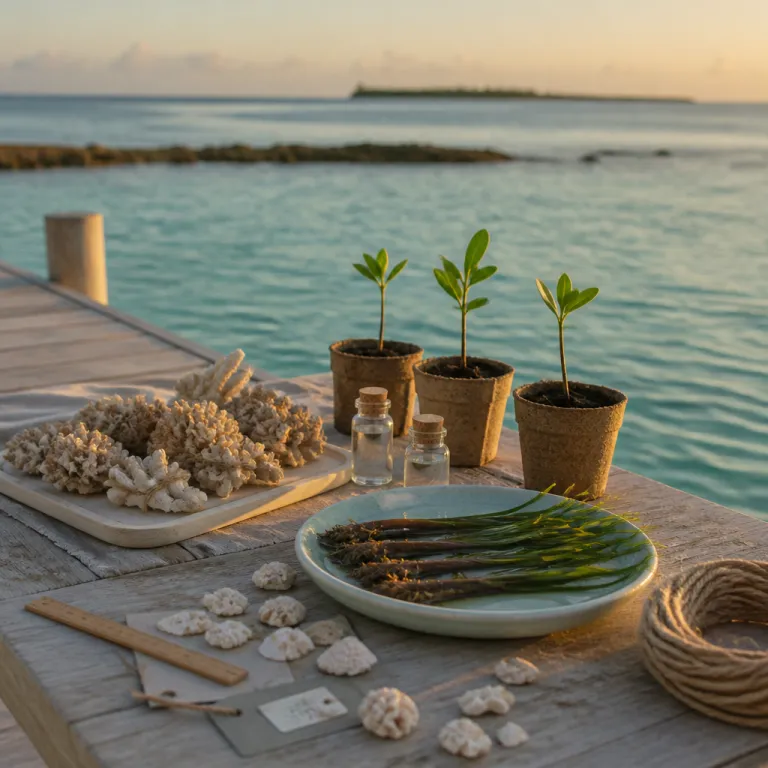
Why a Maldives family conservation resort experience changes the trip
A maldives family conservation resort experience turns a classic beach holiday into something far richer. Instead of simply drifting between pool, villa and buffet, families step into living classrooms where marine life, coral reefs and Maldivian culture shape each day. Children and adults leave understanding why this island nation, its atolls and its fragile marine ecosystems matter far beyond the postcard view.
Across the maldives, a small group of serious resorts now treat marine conservation as core purpose, not marketing garnish. These resorts invest in resident marine biologists, long term scientific partnerships and data driven restoration of coral, seagrass and sea turtle nesting sites. For a travelling family, that means your stay funds real conservation while your kids and younger children join hands on projects designed for different ages and attention spans.
When you plan a maldives family trip around conservation, the choice of island and resort becomes more strategic. You look for atoll maldives locations with healthy coral reefs, accessible house lagoons and beaches where kids can safely snorkel with marine biologists nearby. You also weigh how villas, pools, kids clubs and family friendly dining support long days in the sun, so that children have energy left for night time plankton walks or coral frame checks.
St. Regis Maldives Vommuli: coral adoption on a design forward island
On Dhaalu Atoll, the St. Regis Maldives Vommuli Resort has quietly built one of the most structured family friendly conservation programmes in the maldives. The maldives vommuli property partners with Reefscapers, and by the middle of the decade the resort had planted approximately 300 coral frames and restored over 70 square metres of reef through its Adopt a Coral initiative. For a maldives family focused on impact, that scale matters because every frame you sponsor is tagged, photographed and monitored by a resident marine team.
Here, the maldives family conservation resort experience starts on the beach, not in a conference room. Families meet the marine biologists beside the lagoon, where kids and children handle broken coral fragments and learn why heat stressed coral reefs need human help. Then everyone boats out to the nursery, and guests help attach fragments to metal frames that will later be transplanted to damaged sections of reef near the island.
Back on land, the resort balances serious science with indulgent comfort in its villas and overwater suites. A beach villa with a private pool keeps younger children close to the sand, while larger villas give multi generational families space to spread out between dives and snorkel sessions. If conservation sparks a longer term love affair with the islands, you can even explore the branded residence trend through resources such as guides to becoming a villa owner in the Maldives, which explain how resort real estate intersects with marine protection.
Gili Lankanfushi, Siyam World and Banyan Tree Vabbinfaru: three distinct marine labs
Gili Lankanfushi has long attracted guests who care as much about the house reef as the wine list. Its Coral Lines project strings coral fragments along nursery ropes suspended in the lagoon, where marine biologists monitor growth before transplanting them back onto the reef. Families can snorkel these lines with a resident marine guide, then help with seagrass meadow monitoring and Crown of Thorns starfish removal that directly protects local marine life.
Further across the maldives, Siyam World on Noonu Atoll has launched a Coral Reef Restoration Project that leans into scale and accessibility. Here, resident marine biologists invite kids, children and parents to attach coral fragments to metal frames in shallow water, making the maldives family conservation resort experience feel playful yet purposeful. Siyam as a brand has invested in training Maldivian staff for these roles, which gives families a local perspective on how changing seasons and warming seas affect livelihoods.
Banyan Tree Vabbinfaru, near Malé, runs one of the region’s most established marine labs, with rope nurseries, midwater nurseries, electric reefs and spider frames. Families can join turtle talks that explain how the team recently recorded the first Olive Ridley sea turtle hatching on the island in years, a milestone that resonates strongly with younger children. If you want to pair this with a broader understanding of nearby islands and premium stays, resources such as the Fun Island and premium stays guide help you map conservation focused resorts against transfer times and budgets.
Six Senses Laamu and atoll choice: matching programmes to your family
Six Senses Laamu, often shortened to Senses Laamu in traveller shorthand, sits alone in Laamu Atoll with a serious marine conservation agenda. Its team of marine biologists and resident marine experts runs one of the most comprehensive monitoring programmes in the maldives, tracking coral bleaching, manta ray movements and seagrass health. Families can join reef surveys, plankton tows and night snorkels, turning a maldives family conservation resort experience into a multi day field course.
Choosing between Laamu, Dhaalu Atoll, Noonu or other atoll maldives locations comes down to your children’s ages and comfort in the water. Younger children often thrive on calm lagoon beaches, short boat rides and shallow coral gardens where clownfish and parrotfish provide instant reward. Teenagers and confident swimmers may prefer deeper drop offs, manta cleaning stations and more technical sessions with a marine biologist, where they help log data that feeds into regional research.
Accommodation layout also shapes how sustainable your stay feels day to day. A beach villa keeps sand, shade and the sea within a few metres, which is ideal for families juggling naps, sunscreen and spontaneous snorkels. Overwater villas with private pools suit older kids who understand reef safe behaviour, while larger villas on the main island place you closer to kids clubs, marine centres and local staff who can share Maldivian stories about changing seasons and fishing traditions.
How to read between the lines: real conservation versus greenwashing
Not every maldives resort that mentions conservation delivers a meaningful programme for families. When you evaluate options, look first at whether there is a full time resident marine biologist or a small team of marine biologists on staff, and how visible they are to guests. A serious maldives family conservation resort experience will feature these experts in daily schedules, kids clubs activities and evening talks, not just in a brochure paragraph.
Scientific partnerships are another clear signal that a resort treats marine conservation as more than a photo opportunity. Properties such as the St. Regis Maldives Vommuli Resort, Gili Lankanfushi, Siyam World and Six Senses Laamu publish data, collaborate with organisations like Reefscapers and invite families to see coral frames or sea turtle releases that are part of long term monitoring. In contrast, a resort that offers a single “plant a coral” photo session without follow up or reporting is likely leaning toward greenwashing.
Finally, consider how conservation threads through the entire guest journey, from airport transfer to beach walks. Are kids clubs programming aligned with what happens on the reef, and do younger children learn about local Maldivian species rather than generic ocean facts ? Do villas minimise waste, pools use efficient systems and restaurants highlight local produce, or is sustainability confined to one afternoon activity ? For a deeper look at how marine life and high end hospitality intersect, the guide to Maldives animals and luxury stays offers a useful framework for reading between the lines.
Planning your stay: practical tips for families booking conservation first
When you build an itinerary around a maldives family conservation resort experience, timing and logistics matter as much as the dream villa. Aim for seasons when seas are calmer in your chosen atoll, because clear water and gentle currents make marine activities more enjoyable for kids and children. Shoulder seasons often balance good visibility with fewer guests, giving your family more time with marine biologists and resident marine teams.
Before booking, email the resort’s marine centre with specific questions about programmes for families and younger children. Ask how often coral planting, reef surveys and sea turtle talks run, whether spaces are limited and how activities are adapted for different ages. Clarify whether life jackets, child sized snorkel gear and shaded boats are available, so that every member of your family feels safe and included from the first beach briefing.
Once on the island, pace your days so conservation feels like a thread, not a chore. Alternate more intense marine conservation sessions with relaxed beach time, pool play and unstructured exploration of the island’s paths and local vegetation. Encourage kids to keep simple reef journals, sketching coral, fish and shells they see, so that the maldives family experience follows them home long after the last sunset over the lagoon.
FAQ: planning a Maldives family conservation resort experience
Are Maldives conservation programmes suitable for younger children ?
Many leading resorts design marine activities specifically for younger children and early readers. Shallow lagoon snorkels, beach based coral games and simple sea turtle talks keep sessions short and engaging. Always check age guidelines in advance, as some deeper reef excursions are reserved for older kids and confident swimmers.
Which Maldives resorts are best for families interested in marine conservation ?
Resorts with established marine labs and resident marine biologists offer the most structured experiences. St. Regis Maldives Vommuli, Gili Lankanfushi, Siyam World, Six Senses Laamu and Banyan Tree Vabbinfaru all run ongoing coral and turtle projects that welcome families. When comparing options, focus on how often activities run and how clearly programmes are explained before you book.
Do we need strong swimming skills to join conservation activities ?
Basic swimming helps, but it is not essential for every activity. Many programmes include beach based learning, glass bottom boat rides and shallow water coral frame work where life jackets are provided. For deeper snorkels on outer reefs, resorts usually require that children and adults are comfortable in open water.
How can we tell if a resort’s conservation work is genuine ?
Look for clear evidence of long term projects, scientific partners and published results. Genuine programmes usually have full time marine biologists, photo documented coral frames and regular monitoring reports shared with guests. Be cautious if conservation appears only as a one off photo opportunity with no follow up or data.
What should families pack for a conservation focused Maldives trip ?
Reef safe sunscreen, long sleeve swim shirts and well fitting masks make a big difference for kids. Waterproof notebooks or simple sketchpads help children record what they see on the reef and beach. If your resort allows, bringing a small donation for local school or conservation initiatives can extend your impact beyond the stay.