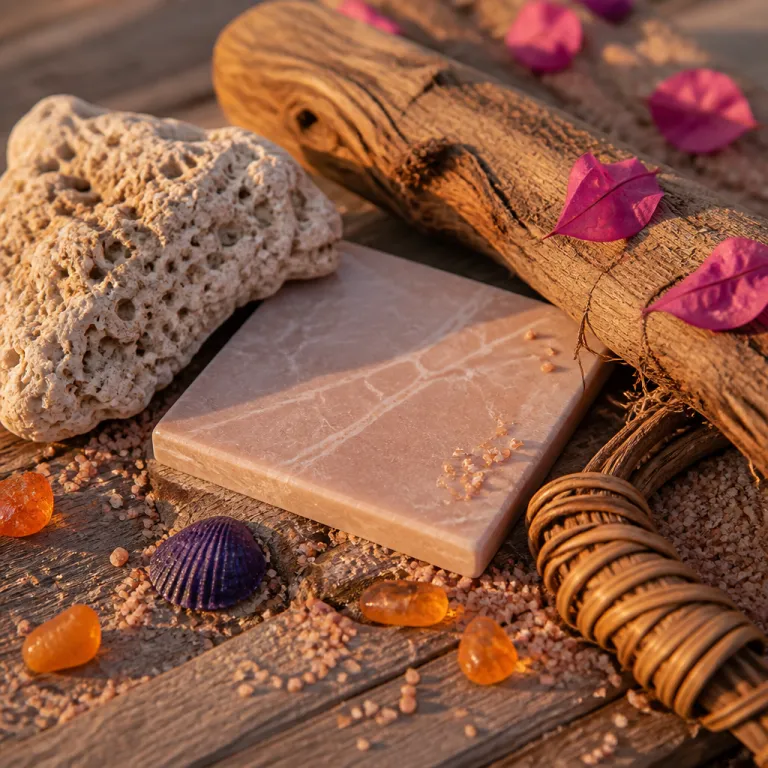
The design spectrum of Maldives resort architecture: barefoot to marble-clad
Choosing a Maldives resort is really about choosing a design language. On this scattered archipelago of coral islands, resort architecture ranges from sand between your toes to polished stone underfoot, and each choice shapes how you will feel from sunrise to last nightcap. When you look closely at architecture and interior design before you book, you are actually reading a promise about light, sound and the pace of your days.
On one end of the spectrum, Kuredu Island Resort & Spa and similar properties lean into barefoot luxury, with timber villas, thatch roofs and open-air pavilions that keep you close to the natural elements. This style of resort architecture uses local woods, simple lines and spatial layouts that prioritise breezes over air conditioning, so the hotel feels like an extension of the island rather than a separate object. On the other end, Italian marble and high-gloss finishes at more opulent Maldivian hotels signal a different kind of luxury, where climate control, symmetry and dramatic volumes take precedence over sand paths and rustic charm.
Understanding where a hotel sits on this barefoot-to-marble spectrum helps travellers decide whether they want a castaway mood or a more urban sense of indulgence. A resort designed with rough timber decks, hammocks and open-air bathrooms usually promises informal living and easy movement between lagoon and villa. A resort designed with stone colonnades, sculpted pools and grand lobbies often promises theatrical arrivals, curated lighting and a more choreographed sequence of guest experiences.
Across the islands, architects now talk about a shift from “destination apart” thinking to a “connection to place” philosophy in resort design. That means new projects are increasingly shaped to echo the curve of the shoreline, the height of surrounding palms and the colours of the lagoon, rather than importing a generic international style. When you scroll through photos of island hotels online, look for whether the buildings seem to grow out of the landscape or sit on top of it like a stage set.
Minimalist properties such as Kudadoo Maldives Private Island show how resort design can be both pared back and intensely luxurious. Here, long horizontal roofs, glass walls and carefully controlled spatial proportions create a calm frame for the ocean, while hospitality design details like recessed lighting and tactile fabrics keep the experience warm rather than austere. In contrast, more opulent resorts use marble, chandeliers and sculptural staircases to create wow moments, and this wow factor can be thrilling if you enjoy a sense of theatre in your travel.
When you compare different resorts, pay attention to how much of each photo is actually the island and how much is built form. A property designed to foreground the archipelago will show wide shots of beaches, reefs and sky, with villas almost disappearing into the landscape. A resort designed to foreground its own architecture will show strong lines, dramatic pools and interior design vignettes, which can be beautiful but may feel less rooted in the islands themselves.
Reading visual cues: what photos reveal about resort design and guest experience
Most visitors will first meet a Maldives resort through a grid of images on a booking site. Those photos are not neutral; they are a visual manifesto of the architecture, the hospitality design priorities and the kind of guest experience you can expect once you land on the island. Learning to read these cues turns you from a passive browser into an architecture-literate traveller.
Start with the aerial shots of islands and atoll settings, because they reveal how the resort is designed in relation to the reef and lagoon. If overwater villas march in straight lines far across the lagoon, the master plan is prioritising dramatic geometry and privacy over a minimal footprint on the reef, while floating platform concepts that avoid heavy foundations often indicate more sensitive hospitality architecture. When villas hug the shoreline instead, the resort usually leans into beach living, with shorter walks, more sand and a closer relationship between your room and the natural vegetation.
Next, look at how interior design is framed in the photos of hotels and individual rooms. Wide-angle shots that show open-air living rooms, sliding walls and ceiling fans suggest a resort designed around natural ventilation and the sensory experience of the islands. Tight close-ups of marble bathrooms, heavy drapes and statement lighting suggest a property designed around climate-controlled comfort, which can be appealing if you prefer cool, quiet interiors after a day in the sun.
Design-conscious travellers should also pay attention to how people appear in the imagery of Maldivian portfolios. If guests are shown barefoot on timber decks, moving easily between pool and sea, the resort architecture is likely scaled to human proportions, with low rooflines and gentle transitions between spaces. If guests are dwarfed by soaring lobbies and monumental staircases, the experience will feel more like a grand city hotel transplanted onto an island, which some couples enjoy for its sense of occasion.
For a deeper dive into how online imagery shapes expectations, you can explore our dedicated guide to architectural storytelling in luxury properties at architectural marvels of luxury and premium hotel booking websites in the Maldives. There, we unpack how internationally renowned architects and design-led resorts use photography to communicate everything from spatial hierarchy to material choices. When you cross-reference those insights with the galleries of a specific Maldives property, you quickly see whether the visual narrative matches your own travel priorities.
Finally, do not ignore the small details in photos of restaurants, spas and pathways across the islands. A hotel that shows recycled timber furniture, woven palm screens and low-level lighting is signalling a commitment to experiential design that respects the night sky and the natural environment. A hotel that focuses on glossy surfaces, bright spotlights and oversized decor is signalling a different kind of experiential design, one that leans into spectacle and the wow factor rather than subtlety.
Signature case study: wow architects, vommuli resort and the new Maldivian iconography
Some properties in the Maldives have become reference points for design-focused travellers, and St. Regis Maldives Vommuli Resort is one of them. Designed by the internationally renowned practice WOW Architects, this Vommuli landmark shows how resort architecture can be both sculptural and deeply connected to place. When you study its forms before booking, you are really studying a thesis on how a Maldivian resort can reinterpret island vernacular for a new generation.
The overwater villas at this Vommuli resort are shaped like manta rays and traditional dhoni boats, which anchors the design in the marine life and seafaring culture of the archipelago. WOW Architects used curved timber roofs, organic silhouettes and carefully modulated spatial volumes to echo the movement of waves and wind, so the architecture feels almost alive when you approach by boat. This is not just wow for the sake of spectacle; it is a deliberate use of hospitality architecture to tell a story about the islands and their ecology.
On land, the St. Regis property arranges its villas and public spaces to preserve natural vegetation and frame views of both sunrise and sunset. The resort layout creates a sequence of guest experiences, from shaded forest paths to open-air decks that hover above the lagoon, each calibrated to a different time of day. For couples who care about design, this choreography of light and shadow matters as much as the thread count of the sheets.
Inside the villas, interior design choices at St. Regis Maldives Vommuli Resort balance contemporary lines with tactile materials. You will see timber, stone and woven textures alongside sleek furniture, a combination that keeps the living spaces warm and grounded rather than overly glossy. This approach to hospitality design shows how a hotel can feel luxurious without losing its connection to the islands and their natural palette.
When you compare St. Regis Maldives with more conventional resorts, the difference in experiential design becomes clear. Here, every curve, every overhang and every open-air staircase is designed to frame a specific view or breeze, so your daily movement through the architecture becomes part of the pleasure of travel. For guests who value design-led hotels, this kind of intentionality is often the deciding factor when choosing between islands.
Looking at Vommuli before you book also teaches you how to read other properties that may not have such famous architects. If you see similar attention to natural forms, spatial variety and integration with the island landscape, you can infer a comparable design intelligence even without a big name like WOW Architects attached. Over time, you start to recognise which projects are genuinely designed around place and which are simply decorated for the camera.
Sustainability through design: materials, floating platforms and honest eco narratives
Across the Maldives, sustainability has moved from marketing tagline to design brief, and architecture is where that shift becomes visible. Resorts now experiment with floating platforms that avoid heavy foundations on the reef, reducing physical impact while still delivering the overwater living many couples dream about. When you evaluate resort design through this lens, you begin to see which hotels are serious about the environment and which are only borrowing its language.
Properties such as Kudadoo Maldives Private Island and Patina Maldives, Fari Islands show how thoughtful planning can hard-wire sustainability into daily guest experiences. Kudadoo uses extensive solar arrays and minimalist structures to reduce energy demand, while Patina’s biophilic architecture and open-air circulation reduce reliance on mechanical cooling across the island. Both resorts use hospitality architecture to keep you aware of the natural world, rather than sealing you off from it behind tinted glass and constant air conditioning.
Material choices are another clear indicator when you compare Maldivian resorts. A property designed with local timber, recycled shell lighting and upcycled decor is usually more aligned with the “connection to place” philosophy than a resort built around imported marble and high-gloss finishes. That does not mean marble is always a problem, but in the context of this fragile archipelago, it is worth asking whether the materials you see in photos reflect the islands or erase them.
Many hotels now highlight their eco credentials in booking copy, yet the architecture often tells a more honest story. Look for whether villas are raised lightly above the sand to protect root systems, whether pathways curve around existing trees and whether open-air pavilions are oriented to catch prevailing breezes. These are the quiet details of hospitality design that signal a long-term commitment to the islands rather than a short-term aesthetic trend.
For guests who care about food provenance as much as resort architecture, design can also reveal how seriously a property takes its relationship with local waters. Our feature on how resorts are building real short supply dining, available at when the chef knows the fisherman, shows how spatial planning of kitchens, jetties and staff housing supports or undermines sustainable sourcing. When those back-of-house spaces are designed with the same care as guest villas, it usually indicates a more holistic approach to sustainability.
As you compare resorts across different atolls, remember that sustainability is not only about solar panels and recycling programmes. It is also about how architecture manages shade, airflow and orientation to reduce energy use, and how interior design choices minimise unnecessary materials while still delivering comfort. When a Maldives resort is designed with these principles in mind, you feel it in the quiet ease of your stay, from the temperature of your villa to the way the island sounds at night.
How design shapes comfort: open air living, climate control and underwater spaces
Comfort in the Maldives is not just about thread counts and plunge pools; it is about how architecture mediates between you and a powerful tropical climate. Some resorts are designed around open-air living, with verandas, outdoor lounges and partially open bathrooms that keep you immersed in the island atmosphere. Others prioritise sealed, climate-controlled interiors, and the choice between these two modes will define your daily rhythm more than any amenity list.
Open-air villas across the islands use deep roof overhangs, shaded decks and cross-ventilation to keep spaces cool without constant air conditioning. This kind of resort design relies on careful spatial planning, where architects align openings with prevailing breezes and use vegetation as a natural filter for light and heat. For many couples, this style of living feels more sensual and connected, because you hear the ocean at night and smell the rain as it moves across the atoll horizon.
By contrast, more enclosed hotels use thick walls, double glazing and powerful cooling systems to create a cocooned interior world. This can be appealing if you are sensitive to humidity or prefer a clear separation between outdoor adventure and indoor retreat. When you look at photos of a Maldives resort, pay attention to whether windows actually open, whether there are ceiling fans and whether outdoor spaces look genuinely usable during the day.
Underwater structures add another layer to resort design, moving beyond the restaurant gimmick into more thoughtful experiential architecture. Some properties now use submerged lounges, wine cellars or spa rooms to create guest experiences that highlight the vertical dimension of the archipelago, from reef crest to deep blue. When these spaces are designed with sensitivity to light, acoustics and marine life, they can be extraordinary rather than merely Instagram friendly.
Interior design plays a crucial role in how these underwater and semi-submerged spaces feel once you are inside. Soft lighting, natural materials and restrained colour palettes keep the focus on the sea outside, while heavy decor or bright colours can compete with the view and reduce the sense of immersion. As you evaluate resorts that advertise underwater experiences, look for images that show calm, uncluttered spaces where the architecture frames the marine world rather than shouting over it.
Across the Maldives, the most successful hospitality architecture uses design to choreograph your energy throughout the day. You move from shaded, breezy breakfast terraces to cool, quiet bedrooms and then back out to open-air decks for sunset, with each space designed for a specific emotional register. When a resort is designed this way, guest experiences feel effortless, and many visitors describe their stay as deeply restorative without quite knowing why.
Practical booking intelligence: matching your design taste to the right island stay
Once you start seeing Maldives resort design as a language, booking becomes less about chasing generic luxury and more about finding a fluent match. The first step is to decide where you sit on the barefoot minimalism to Italian marble spectrum, because that preference will narrow the field of resorts dramatically. From there, you can use a few targeted checks to align architecture, guest experiences and your own travel style.
If you lean toward barefoot luxury, focus on properties that highlight timber, thatch and open-air spaces in their imagery. Look for design-led resorts that mention native building methods, like Anantara Kihavah’s use of traditional Maldivian techniques combined with Indian and Moroccan influences, or Kuredu Island Resort & Spa’s emphasis on rustic charm. These islands are usually planned with sand paths instead of paved roads, low-rise buildings instead of towers and spatial layouts that keep you close to the lagoon and reef.
If you prefer a more polished aesthetic, seek out hotels that showcase marble, sculptural pools and dramatic lobbies, often influenced by Italian fashion house sensibilities. These properties may feel less like an extension of the island and more like a curated gallery of architecture and interior design, which can be exactly what some couples want for a special occasion. Just be aware that this style of resort architecture often comes with more enclosed spaces and a stronger separation between indoor and outdoor living.
Regardless of your taste, always cross-check the master plan or aerial images of any Maldives resort you are considering. A property designed with long jetties and extensive overwater villas may offer spectacular views but require long walks or buggy rides, which affects how spontaneous your days feel. A resort designed with a compact footprint around the main island can feel more social and walkable, which some guests prefer for shorter stays.
Pay attention too to the scale of public spaces in hotels, because this affects atmosphere as much as decor. Intimate lounges, human-scaled lobbies and modestly sized restaurants usually indicate a resort designed for quiet, couple-focused stays, while vast atriums and sprawling dining halls suggest a busier, more family-oriented environment. When you match these architectural cues to your own expectations, you reduce the risk of arriving on an island that feels wrong for your trip.
Finally, remember that design is not just about aesthetics; it is about how you will live for a week or more in the Maldives. A resort planned with thoughtful hospitality design, from storage in the villas to shaded walkways and intuitive wayfinding, will make your days feel effortless. When you find a property where architecture, interior design and the natural island setting are all in harmony, you are far more likely to leave with the sense that the place fit you perfectly.
Insider design checklist: questions to ask before you confirm your stay
Before you commit to any Maldives resort, it helps to run through a design-focused checklist that goes beyond room size and meal plans. These questions are not about catching a hotel out; they are about making sure the architecture, the island setting and your own habits align. When you approach booking this way, you treat design as a practical tool rather than a decorative afterthought.
Start by asking how the resort architecture responds to the specific island or atoll context. Is the property planned around existing vegetation, or were large areas cleared to make way for villas and pools, and how are overwater structures anchored in relation to the reef? The answers will tell you a lot about whether the hotel sees the islands as a backdrop or as a partner in its hospitality architecture.
Next, ask about ventilation strategies and the balance between open-air and enclosed spaces across the resort. Does your villa offer genuine cross-breezes and ceiling fans, or is it designed to rely on constant air conditioning, and are there shaded outdoor areas where you can comfortably sit during the day? These details of resort design will shape your daily comfort more than the number of cushions on the sofa.
It is also worth asking how interior design and materials were chosen, especially if sustainability matters to you. Are local woods, recycled elements or low-impact finishes used in guest rooms and public spaces, and how are these maintained in the salty, humid climate of the Maldives? Honest answers here can help you distinguish between resorts that incorporate sustainable materials and those that only reference them in marketing.
Finally, do not hesitate to ask how the resort was designed to support specific guest experiences you care about, whether that is privacy, snorkelling access or dining. A property designed with easy access to the house reef will usually have clear paths or jetties leading to entry points, while a resort organised around dining may cluster restaurants to create a lively evening promenade. When a team can explain how its architecture supports these experiences, it is usually a sign of thoughtful hospitality design and a good fit for travellers who value both form and function.
What is “barefoot luxury” in resort design? A design philosophy emphasising simplicity, natural materials and a relaxed atmosphere. How does Italian marble influence resort aesthetics? It adds elegance and luxury through polished surfaces and classic design elements. Are there eco-friendly resorts in the Maldives? Yes, many properties incorporate sustainable practices and materials in their design. These real-world definitions give you a vocabulary to use when you talk to reservations teams, helping you secure a stay that matches your own design language.
Key figures: design and architecture trends in Maldivian resorts
- There are more than a hundred dedicated island resorts in the Maldives archipelago, which means travellers face a dense field of design choices when selecting a single stay (based on data from the Maldives Ministry of Tourism).
- Industry reports and tourism board summaries suggest a broad split between properties that lean toward traditional design, using timber structures, thatch roofs and open-air spaces, and those that favour modern architecture with cleaner lines and more contemporary materials.
- This contrast between traditional and modern resort architecture reflects a broader barefoot minimalism versus marble-clad luxury spectrum, giving couples clear stylistic options when browsing Maldivian hotels for a romantic trip.
- The growth of eco-focused properties such as Kudadoo Maldives Private Island and Patina Maldives, Fari Islands illustrates how sustainability-driven resort design is becoming a significant segment within both traditional and modern styles, rather than a niche category.
FAQ: architecture conscious booking in the Maldives
How does resort architecture affect my daily experience in the Maldives?
Resort architecture determines how you move, feel and rest on the island, from the distance between your villa and the sea to the amount of shade and breeze you enjoy. Open-air layouts create a constant connection to the elements, while enclosed designs offer a more controlled, cocooned environment. The right match depends on whether you want to live mostly outdoors or retreat regularly into cool, quiet interiors.
What is the difference between barefoot minimalism and marble heavy luxury?
Barefoot minimalism in the Maldives uses timber, thatch and simple forms to keep you close to sand, sea and sky, often with sand paths and low-rise buildings. Marble-heavy luxury uses stone, glass and dramatic volumes to create a more urban sense of opulence, with grand lobbies and sculptural pools. Both can be luxurious, but they deliver very different moods and levels of immersion in the island environment.
How can I tell if a resort is genuinely sustainable by design?
Look for evidence of local materials, preserved vegetation, thoughtful shading and natural ventilation in photos and descriptions, rather than just mentions of recycling or offsetting. Ask how overwater villas are supported, how energy is generated and how the resort protects nearby reefs. Properties that can explain these design decisions clearly are usually more serious about sustainability than those that only use eco language in marketing.
Are underwater restaurants and lounges worth prioritising when booking?
Underwater spaces can be extraordinary when they are designed with careful attention to light, acoustics and marine impact, turning a meal or spa session into a memorable encounter with the reef. However, they are only one part of the overall resort architecture, so they should not overshadow basics like villa comfort, island layout and access to the house reef. Treat them as a bonus layer of experiential design rather than the sole reason to choose a property.
What should design focused couples ask before confirming a Maldives resort?
Design-focused couples should ask about the balance between open-air and enclosed spaces, the orientation of villas for sunrise or sunset, the distance to the reef and the materials used in construction. It is also useful to ask how the resort layout supports privacy, dining and movement around the island. Clear, specific answers usually indicate a property where architecture and hospitality design have been considered together from the start.