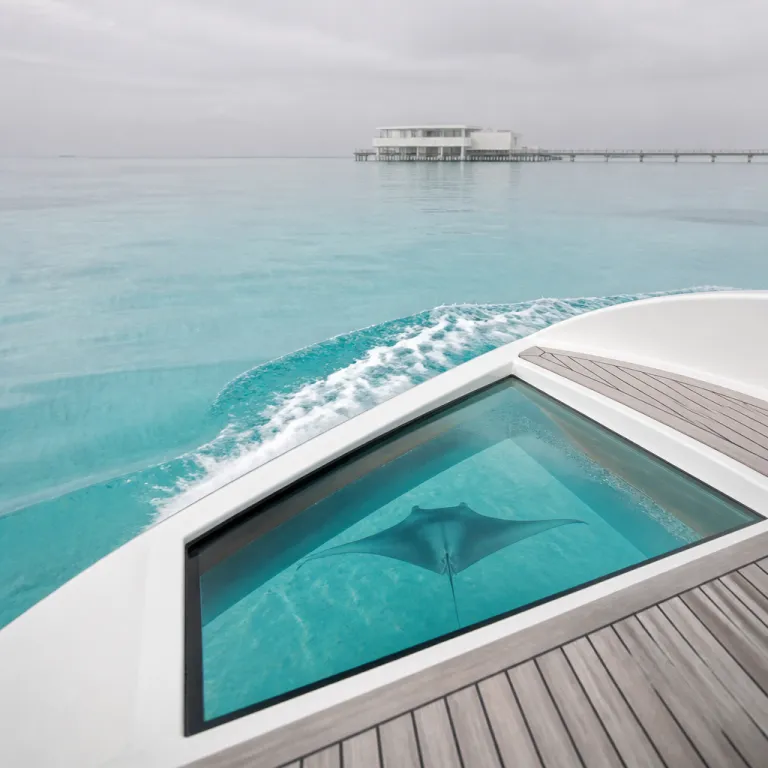
Maldives animals around luxury resorts: where five stars meet marine life
Maldives animals shape the entire mood of a luxury stay on these islands. Around many premium resorts, shallow reefs and luminous coral create a living aquarium that guests can watch directly from their villas. This close contact with Maldives wildlife is a privilege, but it also demands informed, respectful behaviour.
Across the Maldives, more than two hundred bird species, several shark species and a single native land mammal coexist in a fragile marine life sanctuary. The Maldivian Fruit Bat, often called a flying fox, is the only native land mammal species and you will see these fruit bats gliding over each island at dusk. Grey Herons, egrets and other birds patrol the reef edge, while Blacktip Reef Sharks cruise the shallows near overwater suites in many atoll resorts.
Guests often ask whether Maldives animals are dangerous during a high end stay. Guidance from local marine biologists and the Maldives Marine Research Institute is clear and reassuring: generally, no; most species are harmless if unprovoked. Blacktip reef individuals are the most common sharks in lagoon areas and they usually avoid people, while a larger reef shark may appear briefly then vanish into deeper sea channels. Respecting distance from all sharks, rays and other wildlife keeps encounters safe for both humans and marine species.
Luxury resorts in the Maldives now design experiences around coral reefs and local wildlife rather than just views and service. Many properties employ resident marine biologists who monitor coral reef health, track reef fish populations and brief guests on climate change impacts. When you choose a premium hotel, ask how they protect coral reefs, manage encounters with whale sharks and manta rays, and support Wildlife Maldives conservation projects or national monitoring programmes.
For travellers comparing Lanka–Maldives itineraries, the contrast with nearby Sri Lanka is striking. Sri Lanka offers dense forests and terrestrial wildlife, while the Maldives focuses on marine life, reef fish and sea based experiences around each atoll. Combining Sri Lanka for land based wildlife with a Maldives island resort for marine species gives a rich, complementary journey.
Choosing a luxury hotel by reef and marine life, not only by room type
When you book a premium hotel, the surrounding reef and marine life matter as much as the room category. Some islands sit inside sheltered atoll lagoons with gentle coral reef slopes, ideal for families watching Maldives animals from the shore. Other islands border deep channels where sharks, rays and pelagic species pass close to the reef edge.
Baa Atoll is a prime example, famous for manta rays and whale sharks gathering seasonally in Hanifaru Bay, a UNESCO Biosphere Reserve core zone. A luxury resort in Baa Atoll gives you access to manta ray encounters, reef fish rich coral reefs and regular sightings of Blacktip Reef Sharks in the shallows. The best time to visit this area for manta rays and whale sharks depends on plankton blooms and monsoon patterns, so ask your hotel for precise marine life calendars based on recent data.
Elsewhere, South Ari Atoll is renowned for year round whale shark encounters, with several premium resorts offering guided snorkelling trips in collaboration with local researchers. These excursions often combine sightings of whale sharks, reef sharks and rays with time over vibrant coral reef gardens. When comparing hotels, look beyond spa menus and check how often guests actually see these flagship Maldives animals, using recent sighting logs rather than only brochure promises.
High end properties now publish a wildlife guide that lists common species around their island. This guide usually includes reef fish, turtles, sharks, rays, birds and sometimes rarer visitors such as a beaked whale offshore. Ask whether the resort’s marine life guide is updated regularly, and whether sightings of whale sharks, manta rays or other Maldives wildlife are genuinely common or only occasional.
If you plan to split your stay between a resort and a cruise, pair your hotel with a curated Maldives cruise and luxury hotel combination. A liveaboard or yacht lets you explore several reefs and atoll channels where different species gather. Returning to a premium island hotel afterwards gives you calm, privacy and refined service after days focused on marine life.
Designing an itinerary around Maldives animals and refined experiences
Thoughtful travellers now design itineraries around Maldives animals rather than only around overwater villas. Start by deciding which species you most want to see, then match each wish to the right atoll and hotel. If manta rays or whale sharks are your priority, your best time window and island choice will differ from a guest focused on birds or reef fish.
For manta rays, Baa Atoll and certain central atolls offer seasonal aggregations where dozens of manta ray individuals feed in plankton rich bays. For whale sharks, South Ari Atoll is the most reliable area, with dedicated marine life programmes and strict codes of conduct supported by local NGOs. Guests interested in birds should choose islands with larger vegetation cover, where herons, terns and other birds nest and roost in significant numbers.
On land, Maldives animals are limited but still fascinating for attentive guests. The Maldivian Fruit Bat hangs in palm trees by day and crosses the island at sunset, often silhouetted against the Indian Ocean. Many luxury resorts now include short Wildlife Maldives walks where guides explain how this single land mammal species fits into the broader Maldives wildlife story.
In the water, even a simple snorkel over a house reef reveals a dense coral reef community. Expect to see parrotfish, surgeonfish and other reef fish grazing on coral, while a reef shark or rays glide past in deeper sections. Some islands also report occasional visits from a beaked whale offshore, though such sightings are rare and never guaranteed, and resort logs usually record them as special events.
To balance wildlife focus with refined leisure, consult a curated list of essential refined activities in the Maldives. Combine early morning snorkels over coral reefs with slow afternoons in your villa, watching birds and fruit bats from your deck. This rhythm lets you enjoy Maldives animals without turning your holiday into a rushed checklist of species.
Ethical encounters with Maldives animals from five star resorts
Ethical wildlife encounters are now a key marker of true luxury in the Maldives. High end hotels increasingly understand that guests want close views of Maldives animals without harming fragile ecosystems. As a guest, your choices on each island directly influence the health of coral reefs and the behaviour of marine life.
Start with three simple rules that many conservation groups promote: respect wildlife habitats, avoid feeding animals and use eco friendly products. Feeding fish or rays near jetties may seem harmless, but it alters natural behaviour and can damage the balance of reef fish communities. Touching coral, chasing a reef shark or crowding a manta ray also stresses these species and can scar delicate coral structures.
Responsible resorts brief guests before every excursion that “Can I see dolphins in the Maldives?” has a clear answer: yes, dolphins are commonly spotted during boat excursions. They also explain that “Are there dangerous animals in the Maldives?” is often asked, and the answer remains: generally, no; most species are harmless if unprovoked. When guests ask “Are there snakes in the Maldives?”, staff can reassure them that yes, but they are rare and typically non venomous, and encounters on resort islands are unusual.
Look for hotels that limit group sizes on whale shark and manta ray trips. Smaller groups reduce pressure on Maldives animals and give you calmer, more intimate encounters with these large species. Ethical operators also keep a respectful distance from sharks, rays and whales, avoiding any attempt to touch or ride marine animals and following recognised codes of conduct.
On land, avoid disturbing roosting fruit bats or nesting birds by keeping noise low near vegetation. Some islands protect specific areas where birds breed, and premium hotels will clearly mark these zones for guests. Choosing such a resort signals that you value Maldives wildlife as much as comfort and service.
How climate change and conservation shape your luxury stay
Every premium guest in the Maldives now travels against the backdrop of climate change. Rising sea temperatures trigger coral bleaching events that can transform colourful coral reefs into pale, stressed structures. These changes affect reef fish, sharks, rays and the entire web of Maldives animals that depend on healthy coral.
Many resorts respond by investing in coral reef restoration, marine life monitoring and guest education. You may see coral nurseries near jetties, where fragments grow before being transplanted back onto damaged reef areas. Marine biologists often invite guests to join guided snorkels, explaining how climate change influences coral species, reef fish behaviour and the presence of manta rays or whale sharks.
When choosing a hotel, ask specific questions about conservation rather than accepting vague sustainability claims. Does the resort track shark and ray sightings, and share data with national Wildlife Maldives programmes or regional databases? Do they support research on beaked whale populations or collaborate with Sri Lanka based scientists on Indian Ocean marine life studies? Clear answers show genuine engagement rather than marketing.
Some properties also manage light pollution to protect birds and fruit bats, and they restore native vegetation on each island. These measures help maintain habitats for Maldives animals on land while also stabilising shorelines against erosion. A resort that cares for both coral reefs and terrestrial wildlife offers a richer, more resilient experience for guests.
As a traveller, you can support these efforts by choosing eco conscious activities and operators. Select snorkel trips that prioritise education about coral, reef fish and sharks instead of high speed thrills. Over time, guest demand for responsible encounters with Maldives wildlife encourages more hotels to invest in serious conservation work.
Practical booking tips: matching hotels to Maldives animals you want to see
Turning wildlife dreams into a concrete booking requires careful matching of hotel, atoll and season. Start by listing the Maldives animals that matter most to you, then research which islands and reefs offer the best chance of seeing each species. The best time for manta rays, whale sharks or certain birds will not always align, so decide your priorities early.
For manta rays, focus on Baa Atoll and other known feeding areas where manta ray groups gather predictably. For whale sharks, look at South Ari Atoll resorts that run regular, well regulated excursions to nearby channels. Guests interested in sharks more broadly should choose islands with healthy coral reefs and strong currents, where reef shark species and other sharks patrol drop offs.
Families with younger children may prefer calm lagoon islands where Blacktip Reef Sharks and rays are visible from the beach. Here, a simple mask and snorkel reveal reef fish, coral gardens and gentle Maldives wildlife encounters in shallow water. Couples seeking more dramatic marine life might choose outer atoll islands where the reef edge falls quickly into the deep Indian Ocean.
When comparing Lanka–Maldives combinations, consider starting with Sri Lanka for land based wildlife and cultural visits. Then fly to the Maldives for a quieter phase focused on marine life, coral reefs and refined island time. This sequence lets you adjust gradually from busy land adventures to the slower rhythm of an island and reef centred stay.
To refine your choice of island, consult a detailed guide to an elegant Maldivian local island stay. Such resources help you understand how each area, atoll and island differs in terms of Maldives wildlife, hotel style and access to key reefs. With this knowledge, your booking becomes a deliberate investment in both comfort and meaningful encounters with Maldives animals.
Key figures and statistics about Maldives animals and marine life
- There is only one native land mammal species in the Maldives, the Maldivian Fruit Bat, which highlights how strongly Maldives wildlife depends on marine life and coral reefs for overall biodiversity (based on national species lists and regional assessments).
- More than 200 bird species have been recorded across the islands, making each vegetated island a valuable refuge for birds that feed along the reef and sea edge (according to regional ornithological surveys and conservation reports).
- Multiple shark species are commonly reported in Maldivian waters, including Blacktip Reef Sharks and other reef shark species that guests often see near resort jetties (summarised in Indian Ocean shark distribution studies).
- Coral bleaching events linked to climate change have affected large areas of coral reef habitat, reducing structural complexity in some reefs and impacting reef fish communities that guests expect to see while snorkelling.
- Increased conservation efforts by resorts and local organisations now include coral nurseries, shark and manta ray monitoring and guest education programmes, which aim to stabilise Wildlife Maldives populations despite environmental pressures.
FAQ about Maldives animals and luxury hotel stays
Are there dangerous animals in the Maldives near luxury resorts?
Most Maldives animals around resorts are harmless if treated with respect. The official style of guidance from local authorities states that generally, no; most species are harmless if unprovoked. Guests should still avoid touching marine life, feeding fish or approaching sharks and rays too closely.
Can I see dolphins, manta rays and whale sharks during my stay?
Dolphins are commonly seen during boat excursions around many atolls. In specific areas such as Baa Atoll and South Ari Atoll, guests also have good chances to see manta rays and whale sharks with responsible operators. Sightings depend on season, plankton levels and local conditions, so ask your hotel for the best time windows and recent sighting records.
Are there snakes or other worrying land animals on the islands?
Snakes exist in the Maldives but they are rare and typically non venomous, and most guests never encounter them on resort islands. The only native land mammal is the Maldivian Fruit Bat, which feeds on fruit and nectar and poses no threat to humans. In practice, insects and small geckos are the most common land wildlife you will notice around villas.
How is climate change affecting coral reefs and marine life I will see?
Rising sea temperatures cause coral bleaching events that can reduce coral cover and alter reef fish communities. Some reefs remain vibrant, while others show patches of stressed coral, so experiences vary between islands and atolls. Many luxury resorts now run coral restoration and monitoring projects to support Maldives wildlife and maintain high quality snorkelling.
What should I look for in a hotel if I care about wildlife?
Choose resorts that employ marine biologists, publish a clear wildlife guide and support conservation partnerships. Ask about policies on feeding fish, managing whale shark and manta ray encounters and protecting birds and fruit bats on the island. A hotel that answers these questions transparently is more likely to offer ethical, memorable encounters with Maldives animals.
