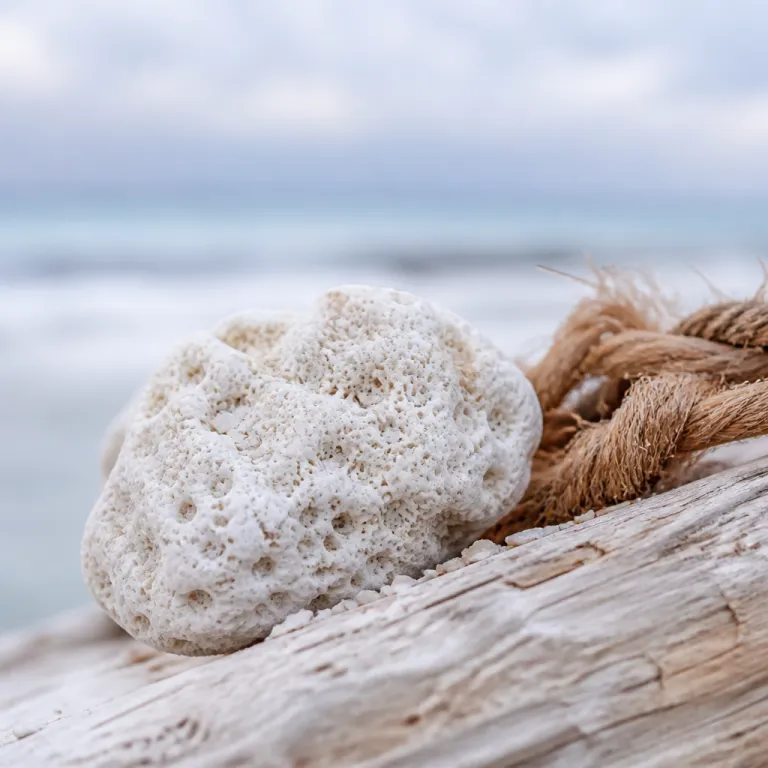
How maldives history culture heritage islands shape a luxury family stay
The maldives history culture heritage islands story begins long before any tourist resorts appeared on a sandbank. Early settlers, Dravidian and Indo Aryan seafarers from India and Sri Lanka, read the sea and the reefs as their only map, turning this island nation into a quiet powerhouse of the Indian Ocean trade routes. When you book a high end stay today, you are stepping into that same maritime corridor, where every coral fragment and every local story still carries the weight of centuries of history.
For families choosing between islands, understanding this deeper maldives history changes how you read a resort map. The capital, Malé, is not just a transfer point ; it is the living archive of history Maldives, from coral stone mosques to Islamic schools where Maldivian people still anchor their daily culture. Many luxury properties now weave curated excursions into their programmes, letting guests move beyond the infinity pool to meet local people on inhabited islands and see how culture Maldives evolved at the edge of the Indian Ocean.
Maritime trade once moved cowrie shells, spices and stories between this country, the Indian subcontinent and East Africa, and that same sea now carries you by speedboat or seaplane to your villa. When you choose a resort, ask how it interprets maldives history culture heritage islands for children, whether through Dhivehi language games, coral reefs walks with a marine biologist, or visits to community islands where climate change and rising sea levels are reshaping daily life. A property that treats Maldivian culture as a living, high value asset rather than a themed night will give your family a stay that feels rooted, not staged.
Malé’s coral mosques and the Islamic heart of the islands
Any serious exploration of maldives history culture heritage islands should begin in Malé, where the Friday Mosque, Hukuru Miskiy, compresses centuries of faith and craft into a single courtyard. This 17th century coral stone structure, built without a single nail, is one of the finest examples of carved coral architecture in the Indian Ocean, and it shows how Maldivian artisans turned reefs into sacred space. When the Maldives converted to Islam in 1153, the islands’ Islamic identity fused with older seafaring traditions, creating a culture where prayer times, tides and trade winds still intersect.
Families staying at luxury tourist resorts often transit through Malé too quickly, missing the chance to walk between coral walls, visit Islamic centres and talk with local people about how religion shapes daily life. A guided city walk can thread together the old cemetery, with its coral headstones etched in flowing script, and the modest museum displays that reference sultan Muhammad and other rulers who steered this island nation through shifting Indian Ocean politics. Look for resort partners who arrange respectful visits, with dress codes explained in advance and time built in for unhurried conversations rather than rushed photo stops.
The story of resistance to the Portuguese interlude, led by figures such as Muhammad Thakurufaanu, still informs how Maldivian people think about sovereignty, external powers and environmental issues today. When a guide explains that “When did the Maldives convert to Islam? In 1153 CE.” they are not just reciting a date ; they are linking your family’s beach holiday to a long arc of history Maldives that runs from cowrie shells to climate data. Pair a Malé heritage walk with an evening of serious Maldivian drumming at a property that treats bodu beru performances as cultural transmission, not just a welcome drink soundtrack.
Beyond the lagoon: Buddhist ruins, cowrie shells and Dhivehi stories
Long before the Islamic conversion, these islands were part of a Buddhist civilisation whose traces still lie under breadfruit trees and village paths. On islands such as Thoddoo and Kaashidhoo, low mounds and scattered coral blocks mark ancient stupas, giving families a rare chance to see how maldives history culture heritage islands stretch back more than a millennium. These sites are rarely crowded, so a private guide can let children climb gently over coral stones while explaining how early settlers from Sri Lanka and the wider Indian world brought their beliefs across the sea.
For many centuries, cowrie shells from the Maldives functioned as currency across Africa, the Middle East and South Asia, turning this small country into a quiet engine of global trade. When you hold a handful of shells on a sandbank today, you are touching the same objects that once passed through the hands of Arab and Persian traders and financed kingdoms far beyond the Indian Ocean. Some resorts now curate small in house exhibits on cowrie commerce, linking these shells to the broader history Maldives and to the way maldives history culture heritage islands shaped economic systems well outside the atolls.
Language carries another layer of heritage, and Dhivehi, written in the right to left Thaana script, has no close relatives, making it the smallest national language in Asia. Ask your resort if a local teacher can run a short family session on Dhivehi phrases, or if a storyteller from a nearby island can share folktales about sea turtle spirits, shifting reefs and rising sea. Properties that commission traditional crafts, such as the lacquerwork of Thulhaadhoo, help ensure that culture Maldives remains a living practice rather than a lobby display.
Reefs, climate change and the fragile foundations of luxury
The same coral reefs that once supplied building blocks for mosques now underpin the entire luxury economy of the maldives, from overwater villas to glass bottomed boats. These reefs shelter marine life, buffer islands from waves and create the turquoise lagoons that define high end brochures, yet they are acutely vulnerable to climate change. Rising sea temperatures, ocean acidification and more erratic storms are already reshaping the coastline, making maldives history culture heritage islands inseparable from conversations about climate data and environmental issues.
Families choosing a resort should ask direct questions about how it monitors coral health, manages waste and supports local conservation, because the maldives lowest lying islands sit only a few metres above current sea level. Some properties partner with marine biologists who run guided snorkels over coral reefs, explaining how bleaching events, changing currents and sea levels affect both sea turtle nesting and human settlements. When a child sees a turtle grazing on seagrass while hearing about rising sea and climate change, the abstract becomes personal, and maldives history culture heritage islands suddenly feel less like a postcard and more like a shared responsibility.
Look for resorts that publish transparent climate data, support reef restoration and involve Maldivian people in decision making, rather than outsourcing sustainability to distant consultants. A stay that includes a visit to a local island’s waste management site or a school climate club can be as formative as any dolphin cruise, especially when framed within the longer history Maldives of adaptation to the Indian Ocean. Pair these experiences with slow days on the sand and perhaps a family wellness programme drawn from deeper Maldivian wellness traditions, so that rest and responsibility sit side by side.
Designing a culturally rich itinerary for premium families
Planning a family trip through maldives history culture heritage islands starts with choosing the right base, not just the right villa category. Some atolls offer easier access to inhabited islands, coral stone mosques and community projects, while others focus more tightly on marine experiences and private sandbanks. When you speak with a booking specialist, ask explicitly how each property engages with local culture Maldives and whether it can arrange meaningful time on nearby islands, not only curated resort activities.
A balanced week might begin with one night in Malé for a guided walk through Hukuru Miskiy, the old coral cemetery and the modest national museum, where references to sultan Muhammad and Muhammad Thakurufaanu frame the broader history Maldives. From there, transfer to a resort that offers both strong house reefs and structured cultural programming, such as Dhivehi lessons, cooking classes with Maldivian people and visits to agricultural islands that still trade with Sri Lanka and the wider Indian world. This kind of itinerary lets children connect the dots between the Indian Ocean trade routes, the cowrie shells in display cases and the living communities that still fish, farm and pray along the sea.
Throughout your stay, keep returning to the question of how maldives history culture heritage islands shape what you see, from prayer calls drifting over the water to the layout of villages oriented toward the prevailing wind. Ask guides about early settlers, and you may hear that “Who were the early settlers of the Maldives? Dravidian and Indo-Aryan seafarers from India and Sri Lanka.” which ties your speedboat ride to centuries of maritime navigation. When children understand that tourist resorts sit on the same reefs that once guided Arab and Persian traders, the country stops being just a backdrop and becomes a place whose past, present and future they can read in the tides.
FAQ about maldives history, culture and heritage islands
How did the Maldives become a crossroads of Indian Ocean trade ?
The Maldives sits along key Indian Ocean routes linking the Indian subcontinent, the Arabian Peninsula and East Africa, so sailing vessels naturally stopped at these islands for water, coconuts and safe anchorages. Over time, Maldivian traders specialised in cowrie shells, dried fish and coconut products, exchanging them for textiles, metals and ceramics. This steady maritime traffic shaped maldives history culture heritage islands, blending influences into a distinct local identity.
What role did cowrie shells play in the history Maldives ?
Cowrie shells from Maldivian reefs once served as a widely accepted currency across parts of Africa, the Middle East and South Asia. Maldivian people collected, sorted and shipped these shells along Indian Ocean routes, turning a small island nation into a significant financial hub. When you see cowries in museum cases or resort displays, you are looking at objects that underpinned real economies far beyond these islands.
Why are coral stone mosques in the Maldives considered unique ?
Coral stone mosques such as Hukuru Miskiy in Malé are built from finely carved blocks of reef limestone, assembled without metal nails. Their intricate patterns and calligraphy reflect both Islamic aesthetics and local craftsmanship, making them rare survivors of a building tradition tied directly to nearby coral reefs. Visiting these sites offers families a tangible link between marine environments, religious practice and architectural history.
How is climate change affecting Maldivian islands and tourist resorts ?
Because the Maldives is among the world’s lowest lying countries, even small increases in sea level and sea temperatures have outsized impacts on reefs, beaches and infrastructure. Coral bleaching, coastal erosion and saltwater intrusion into freshwater lenses already challenge both local communities and high end resorts. Choosing properties that support reef conservation, publish climate data and work closely with nearby islands helps align your stay with long term resilience.
Can families combine cultural visits with a luxury resort holiday ?
Yes, many premium properties now integrate guided visits to Malé, nearby inhabited islands and heritage sites into their activity menus. A well planned itinerary can include mosque visits, Dhivehi language sessions, craft workshops and marine excursions without sacrificing comfort or privacy. The key is to ask detailed questions before booking, so your resort’s programmes genuinely reflect maldives history culture heritage islands rather than offering only surface level entertainment.