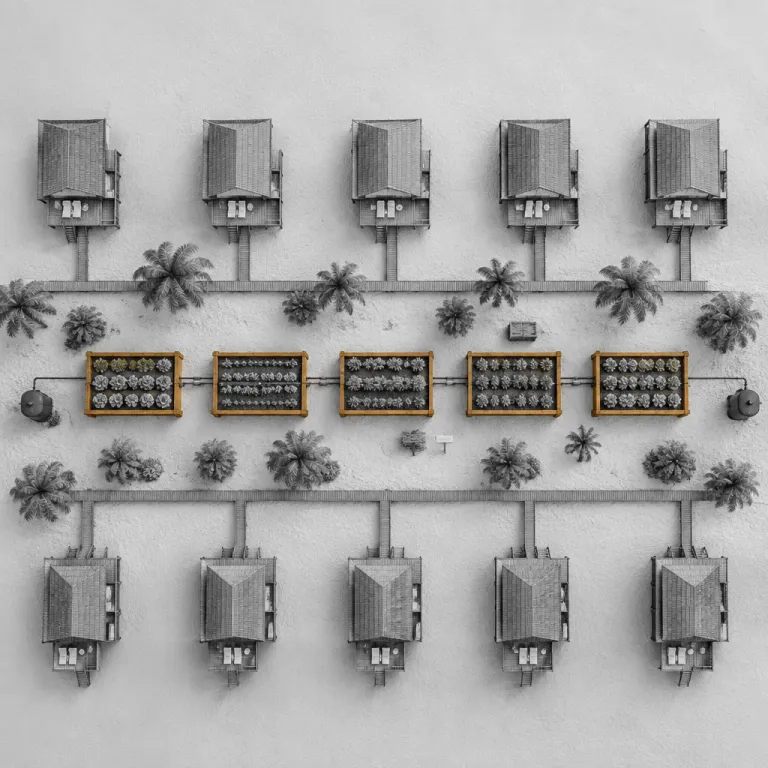
From import dependency to island-grown greens
On most Maldivian islands, every lime, lettuce leaf and herb once arrived by boat. For a luxury Maldives resort that promises flawless service, this fragile supply chain has shaped menus, pricing and even what a family can order for a casual lunch by the sea. The shift toward maldives resort hydroponic farm sustainability is rewriting that script, one salad and one island farm at a time.
When you book premium hotels or resorts in the Maldives, you are still paying for the hidden cost of distance. Each crate of food travels across the Indian Ocean, consuming fuel, time and chilled storage space before it reaches your room or the resort spa café. Hydroponic farm systems now offer a different window that opens onto a model where fresh ingredients are grown metres from the water instead of thousands of kilometres away.
Families who care about sustainability increasingly ask how their chosen maldives resort handles food miles and organic waste. The answer is no longer just about marine conservation or a glossy report on sea turtles and coral. It is about whether the resort garden, hydroponic farm and organic garden are integrated into daily operations, from plant based menus to kids’ activities that explain conservation in language younger senses can grasp.
On mymaldivesstay.com we track how hotels and hotels resorts move beyond slogans toward measurable commitment sustainability. Some properties now publish data on how much food they grow on the island and how much waste they divert from landfill. As aviation turbulence and shifting demand reshape bookings, we see in our analysis of resort booking trends that guests increasingly reward islands where sustainability is tangible, not theoretical.
How hydroponic farms work on a coral island
Hydroponics replaces soil with nutrient rich water, which matters on a coral island where arable land barely exists. In the Maldives, resort hydroponic farm sustainability depends on adapting three main systems to salt air and heat ; nutrient film technique, deep water culture and vertical towers. Each system circulates water through roots, allowing resorts to grow leafy greens, herbs and even some fruit with remarkable efficiency.
In a typical maldives resort grow room, desalinated water is filtered, mineralised and then pumped through narrow channels where lettuce and basil float in perforated trays. The room is often tucked behind the spa or near staff housing, yet the best hotels now treat it as a garden that opens window like a gallery, inviting guests to walk through and feel the cool, plant scented air. LED lighting, fans and sensors maintain stable conditions even when the sea outside is humid and the sun is fierce.
Energy use is the critical question for any resort that claims commitment sustainability. Some properties pair their hydroponic farm with rooftop solar arrays, offsetting the power needed to run pumps and climate control systems. Others are still working through the environmental calculation, comparing the electricity used on the island with the emissions saved by importing less food by plane or boat, a topic we unpack in our guide to Maldives resort sustainability claims.
Water efficiency is another advantage that resonates with eco conscious families. Hydroponic systems recirculate water, losing only a small percentage to evaporation, which is crucial where every litre of fresh water is produced by energy intensive desalination. When resorts integrate organic waste composting with their organic garden and hydroponic farm, they close a loop that once leaked at every stage, from imported packaging to uneaten food scraped from plates after a lavish dining experience.
From sea to salad: flavour, nutrition and marine conservation
Luxury in the Maldives has long been framed by the sea ; overwater villas, reef edge restaurants and spa pavilions perched above turquoise water. The new definition of indulgence links that marine setting to what arrives on your plate, with maldives resort hydroponic farm sustainability turning salads into quiet statements of intent. When a chef walks you from the room to the farm before lunch, the connection between marine conservation and land based food systems becomes tangible.
Fresh ingredients grown on the island reach the kitchen within minutes, not days, and that time difference matters. Leafy greens lose vitamin content quickly after harvest, so a resort that harvests from its hydroponic farm just before service can offer crisper textures and brighter flavours. Guests who snorkel with a marine biologist in the morning and then tour the organic garden in the afternoon start to see how protecting the reef and reducing food miles are two sides of the same sustainability story.
Some of the most interesting case studies come from resorts with serious marine conservation programmes. At properties working with initiatives like the Olive Ridley Project, where sea turtle and sea turtles rehabilitation sits alongside coral restoration, chefs often design plant based menus that reduce pressure on local fish stocks. Our deep dive into coral restoration numbers in the Maldives shows how transparent data on the sea can inspire similar honesty about food sourcing on land.
Families notice when a resort spa juice bar lists which greens came from the island garden and which still arrive from Malé. Children respond especially well when they can pick herbs, taste cherry tomatoes and then see the same produce appear at dinner as part of a relaxed dining experience. That sensory link between the island, the sea and the plate engages all the senses and quietly raises expectations for what sustainability should mean at high end hotels and resorts.
Guest experience: when the farm becomes part of the stay
The most forward thinking hotels in the Maldives treat their hydroponic farm as a guest space, not a back of house utility. Instead of hiding grow rooms behind service corridors, they design a garden that opens window like a living classroom for children and adults. For a premium family, this can be the moment when a maldives resort shifts from pretty backdrop to meaningful place.
At some properties, morning farm walks are now as popular as dolphin cruises. Guests step from their villa along sandy paths, pass the spa and arrive at a cool greenhouse where a horticulturist explains how nutrient film systems work and how organic waste from the kitchen becomes compost for the surrounding garden. Cooking classes then move from theory to practice, with families harvesting basil and lettuce before preparing plant based dishes that showcase the resort’s commitment sustainability.
Brands with multiple properties, such as Le Méridien Maldives and Six Senses Laamu, are weaving these experiences into their identity. At Meridien Maldives, for example, the resort spa café highlights salads built around greens from the on site hydroponic farm, while at Six Senses Laamu the organic garden sits alongside a serious marine conservation centre. Even references to sister properties like Six Senses Samui in Thailand help guests understand that senses samui and senses laamu share a philosophy where food, water and conservation are part of one narrative.
Practical touches matter too for families booking through platforms like mymaldivesstay.com. Some hotels resorts now bundle farm tours, kids’ gardening sessions and spa credits into packages that can be unlocked with a group code or flexible gift cards, making it easier to align budget with values. When a child returns to the room clutching a small pot of herbs they planted themselves, the island’s sustainability story follows them home in a way no plastic souvenir ever could.
Energy, water and the future of self-sufficient islands
The question many travellers now ask is simple ; can a single island really grow a meaningful share of its own food. The honest answer is that maldives resort hydroponic farm sustainability is still evolving, but the trajectory is clear. Resorts that once imported almost everything are now experimenting with systems that could eventually supply most leafy greens, herbs and some fruit for guests and staff.
Energy remains the hardest variable to balance. A hydroponic farm needs pumps, fans and sometimes chilled grow rooms, all of which draw power from diesel generators unless the resort has invested heavily in solar. The most credible hotels publish data on how much of their farm’s energy comes from renewables and how that compares to the emissions saved by reducing imports, echoing the transparency now expected in marine conservation reporting.
Water use is more straightforward to measure, and here hydroponics shines. Closed loop systems can use up to 90 percent less water than traditional soil based agriculture, a crucial advantage on a coral island where every litre is desalinated from sea water at significant cost. When resorts integrate grey water recycling, careful spa water management and efficient irrigation for their organic garden, they create a model that other small islands beyond the Maldives can study.
For travellers, the practical takeaway is to read beyond the brochure and ask specific questions before booking. How much of the salad and herb offering comes from the island farm, and how is organic waste handled from room to restaurant. As more properties from independent island resorts to branded names like Meridien position themselves around commitment sustainability, the difference between marketing and measurable action will become the new luxury metric for families choosing where to open their senses to the sea.
How to choose a hydroponic-forward resort for your family
Selecting the right resort in the Maldives now involves more than comparing villa sizes and spa menus. If maldives resort hydroponic farm sustainability matters to you, start by checking whether the property names its farm, its marine conservation partners and its sustainability team on the website. Specifics signal seriousness, while vague language about being green without data should raise questions.
Look for hotels and resorts that integrate their hydroponic farm into the full guest journey. That means menus that highlight fresh ingredients from the island, kids’ clubs that run garden based activities and spa cafés that offer plant based dishes built around on site produce. When a resort can explain how it manages water, waste and energy across the farm, the spa and the wider island, you are more likely to experience sustainability as a lived reality rather than a marketing line.
Booking platforms like mymaldivesstay.com increasingly flag properties where commitment sustainability is backed by credible programmes. You might see references to partnerships with the Olive Ridley Project for sea turtle rehabilitation, detailed reports on sea turtles and coral health, or transparent explanations of how organic waste is processed. Some resorts even allow you to apply a group code when purchasing gift cards that bundle farm tours, marine conservation experiences and spa treatments into one family friendly package.
Ultimately, the island that grows its own greens offers more than a photogenic salad. It opens a window onto a future where self sufficient islands balance the needs of guests, staff and the surrounding sea with quiet precision. For premium families, choosing such a maldives resort is not just a holiday decision ; it is a vote for the kind of hotels resorts you want to see thriving between the villas and the reef.
FAQ
Do Maldives resorts really grow a significant amount of their own food ?
Most resorts in the Maldives still import the majority of their food, especially proteins and specialty items. However, a growing number now use hydroponic farms and organic gardens to supply a large share of their leafy greens, herbs and some vegetables. This shift reduces food miles, improves freshness and supports broader sustainability goals on small islands.
Is hydroponically grown produce in the Maldives actually better tasting ?
Flavour depends on variety, growing conditions and how quickly produce reaches the plate. On many islands, hydroponic greens are harvested just before service, so they often taste fresher and retain more texture than imported leaves that have spent days in transit. Guests frequently report that salads and herbs from on site farms feel crisper and more vibrant than previous experiences.
How can I tell if a resort’s sustainability claims are credible ?
Look for specific, measurable information rather than broad statements. Credible resorts publish data on energy use, water savings, waste management and marine conservation, and they name partners such as recognised NGOs or research institutions. When in doubt, email the property with detailed questions about their hydroponic farm, organic waste systems and reef protection work.
Are hydroponic farms in the Maldives environmentally friendly given the energy use ?
Hydroponic systems do require energy for pumps, lighting and climate control, which can be significant on diesel powered islands. However, many resorts offset this by using solar power and by dramatically reducing the emissions associated with importing fresh produce by air and sea. The overall impact varies by property, so transparency about energy sources and efficiency measures is essential.
What should families look for when booking a hydroponic-forward resort ?
Families should prioritise resorts that integrate the farm into guest activities, from garden tours to cooking classes for children. Clear information about plant based menu options, marine conservation programmes and how the resort handles water and waste is also important. When these elements align, the stay becomes both a relaxing holiday and a meaningful learning experience for younger travellers.