Reading the May data: what maldives tourism recovery 2026 means for high-end travellers
Maldives tourism recovery 2026 has finally moved from theory to numbers. According to preliminary figures from the Ministry of Tourism (May 2026 bulletin) and the Maldives Monetary Authority (Q2 2026 update), visitor arrivals in the Maldives rose by about 2.6 percent in May compared with the same month a year earlier, breaking a two month slide triggered by aviation disruption across key Middle East transit hubs. That shift matters for every tourist planning a long haul trip to this destination, because it signals that flight schedules, resort operations and pricing strategies are stabilising again after a volatile first quarter.
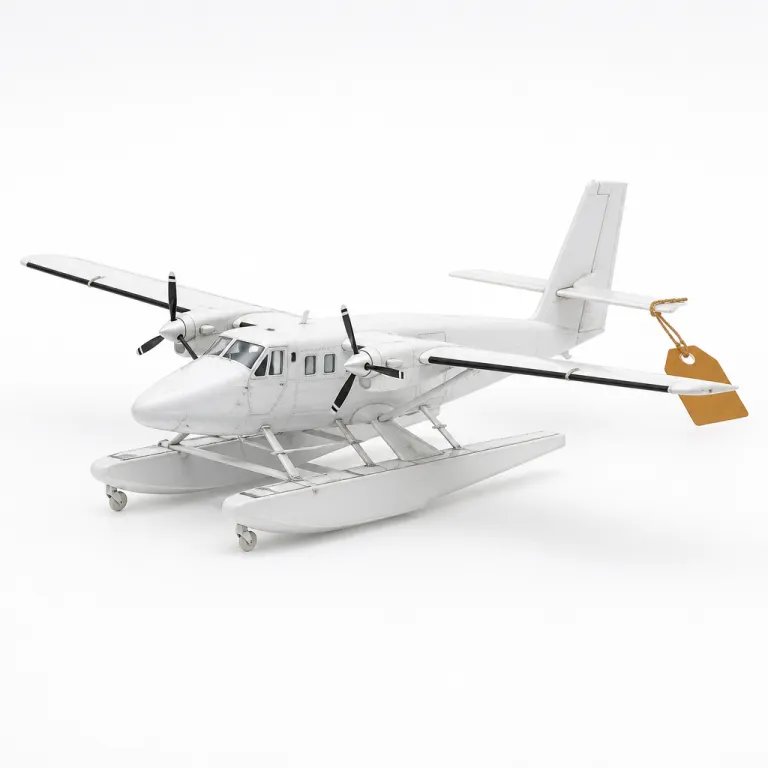
Official tourism statistics indicate that year to date tourist arrivals reached roughly 887,846 by late May 2026, still about 5.4 percent below the previous year but no longer in free fall. Daily arrival numbers climbed to around 6,091 visitors by 24 May, after March and April had seen drops of roughly 21 percent and 24 percent as major Gulf routes were rerouted or cut. For the luxury segment, this phase of tourism Maldives recovery means more predictable transfer timings, better seaplane connectivity from Malé and a clearer picture of which source markets are driving growth back towards pre pandemic levels, especially for travellers booking complex multi stop itineraries.
Resorts remain the top draw in the Maldives tourism industry, accounting for about 70.7 percent of all arrivals, or an estimated 627,915 guests so far this year. That dominance reflects how high end travellers still view the Maldives as a resort first destination, with guesthouses and city hotels playing a secondary role in most itineraries and often serving as convenient stopovers. For business leisure travellers extending a work trip from India, the Middle East, the United Kingdom or Germany, this resort centric pattern shapes everything from transfer logistics to how far in advance you should book your preferred hotel category, especially during peak holiday periods when inventory tightens quickly.
From aviation shock to pricing power: how resorts absorbed the turbulence
The maldives tourism recovery 2026 story starts with planes, not palm trees. Middle East conflict disrupted key transit routes through major Gulf hubs, cutting capacity on some of the most important source markets for the Maldives and forcing airlines to rework schedules at short notice. Ministry of Tourism and Civil Aviation updates show that the March tourist arrival decline reached close to 21 percent, before May finally showed a 2.6 percent increase in arrivals as new routings and additional direct flights began to stabilise the system and restore confidence among long haul travellers.
During the worst weeks of disruption, the tourism industry leaned on improved flight connectivity, airline partnerships and targeted marketing to keep high value travellers flowing into top resorts. The Maldives Marketing and Public Relations Corporation (MMPRC, April 2026 campaign report) intensified promotions in China, India and other Asian source markets, while resort operators quietly adjusted minimum stay rules and transfer timings to match the new arrival patterns. As one sales director at a leading North Malé Atoll property, identified by colleagues as part of the Soneva Jani commercial team, put it, “We shortened booking windows, held rates where we could and focused on reassuring guests that their seaplane or speedboat transfers would run smoothly despite the wider aviation noise.”
Resort operators proved more resilient than guesthouses because their business models are built around long term contracts with tour operators, airline seats and repeat travellers from top source markets. High end properties could flex rates, offer value added inclusions and tap private jet arrivals, while smaller hotels in Malé or Hulhumalé had less pricing power and thinner marketing budgets to cushion sudden shocks. If you are weighing a refined airport area stay, guides to planning a refined stay at RIJ Hulhumalé in the Maldives can help you understand how city hotels complement a resort focused itinerary when aviation schedules remain fluid and late night arrivals are more common.
China, shifting source markets and what comes next for luxury bookings
One of the clearest signals in the maldives tourism recovery 2026 data is the rise of China as the leading source market. By late May, Ministry of Tourism figures show that China accounted for about 15.7 percent of all tourist arrivals, or roughly 139,584 visitors, putting it ahead of India, the United Kingdom and Germany in the race for top source status. For luxury resorts, that shift is already reshaping language capabilities, culinary offerings and even excursion timings, as many Chinese travellers often favour short but activity dense stays over the longer breaks preferred by some European markets and repeat guests from the Middle East.
Traditional source markets for tourism Maldives such as India, the United Kingdom and the wider Middle East remain crucial, especially for shoulder season occupancy and foreign exchange earnings that support resort investment. The government and MMPRC continue to frame their strategy around diversified source markets, with Visit Maldives campaigns, eco tourism messaging and long term goals that include a 2.5 million arrivals target and a branded Visit Maldives Year initiative to keep the destination visible. Official summaries from 2026 policy briefings emphasise that Middle East conflict disrupted key transit routes, that the sector is recovering through improving flight connectivity and marketing efforts, and that travellers should check current government advisories for the latest security and health updates before departure.
For travellers, the practical question is whether this recovery means higher rates or lingering value in the luxury segment across markets Maldives wide. Some resorts are using the rebound to hold pricing, while others quietly release tactical offers for summer and autumn to rebuild occupancy without undermining long term rate integrity, especially in atolls beyond Malé such as Seenu where a refined guide to luxury stays in the southern atoll shows how emerging properties court new travellers. If you want to understand how lifestyle led resorts compare with more traditional luxury hotels as maldives tourism recovery 2026 unfolds, a detailed look at lifestyle versus traditional luxury in the Maldives offers a useful framework for choosing the right property for your next stay and aligning it with your preferred style of service.