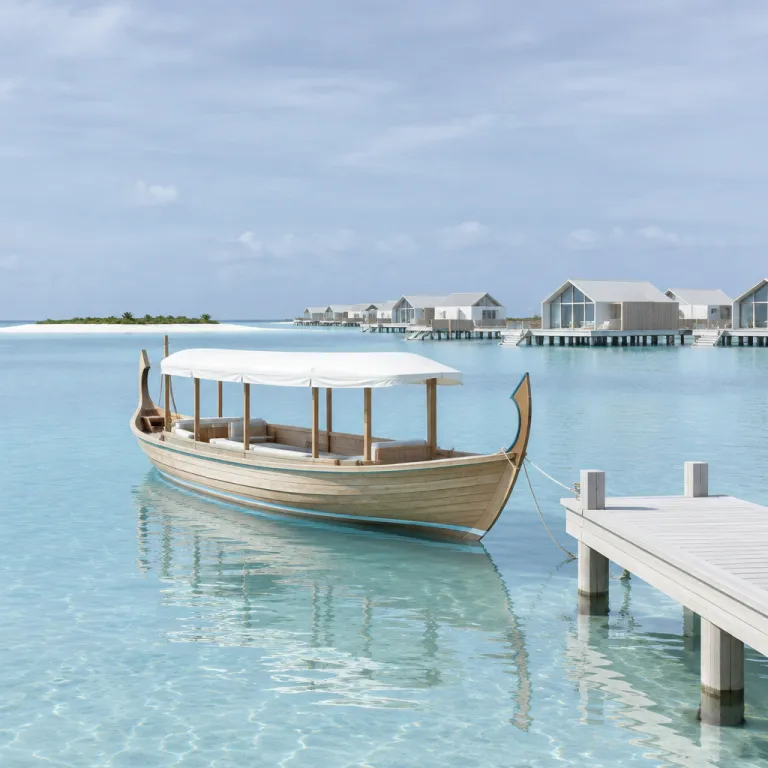
The maldivian dhoni traditional boat culture behind your luxury stay
The maldivian dhoni traditional boat culture is not a marketing flourish; it is the quiet engine that made the Maldives habitable long before any resort jetty. A dhoni is a flat bottomed nautical vessel, originally carved from coconut timber, designed to slip through the shallow reef channels that stitch one atoll to the next across the Indian Ocean. When you glide between a tropical island and its house reef today, you are stepping into a lineage of boats that once carried families, cargo and faith across the sea.
On a map the Maldives looks like scattered beads, yet each maldives island was bound to the others by a dhoni boat long before seaplanes drew straight lines in the sky. These traditional boats were built to read the ocean ; their curved prows and lateen sails worked with monsoon winds, not against them, allowing island communities to move between atoll Maldives chains with precision. That same maldivian instinct for currents and tides still shapes how resorts schedule transfers, time excursions and even plan menus around fishing conditions.
For a luxury travel guest, the first slow crossing from airport island Maldives to a remote resort often sets the emotional tone of the trip. The hull sits low, so the sea feels close, and the gentle roll contrasts sharply with the hard sprint of a speedboat Maldives transfer. Many travelers arrive with phones ready for beach Maldives photos images, yet leave that first ride with something less obvious but more enduring ; a sense that this boat Maldives culture is the quiet architecture beneath every paradise beach fantasy.
From coconut groves to boatyards: where dhonis are still built
Walk inland on the right island and the maldivian dhoni traditional boat culture reveals its workshop side, far from any resort infinity pool. In small boatyards shaded by palms, carpenters still shape hulls by eye, translating generations of knowledge into the curve of a single plank. The result is a dhoni boat that feels both traditional and surprisingly contemporary, ready to carry guests, cargo or fishing crews across the atoll.
Historically, each island Maldives community maintained its own builders, using coconut wood and breadfruit timber to create boats that matched local reef conditions. Today, imported hardwoods and fiberglass often join the mix, yet the core maldivian dhoni proportions remain, from the high prow to the generous beam that keeps the nautical vessel stable in choppy seas. Some yards now take commissions from luxury resort owners who want fleets of boats that echo heritage while meeting modern safety standards.
For travelers interested in culture rather than only beach maldives stock pictures, a guided visit to one of these yards can be as rewarding as any spa treatment. Certain high end properties arrange half day trips to islands where you can photograph images traditional tools, watch frames being steamed into shape and capture close up images dhoni details for your own free photos archive. Pair this with a stop at a local craft house — such as those preserving Maldivian lacquer traditions highlighted in this guide to heritage lacquerwork from Thulhaadhoo — and you begin to see how boat building, decorative arts and daily island life interlock.
From sail to engine: what the motorised dhoni changed
The earliest maldivian dhoni designs relied on a single lateen sail, angled to catch monsoon winds that defined the rhythm of travel across the Maldives. Journeys between atolls could take days, and the sea dictated when a boat left, arrived or stayed anchored behind a protective reef. That slow cadence shaped everything from trade to courtship, embedding the dhoni in stories, songs and seasonal rituals.
Engines changed the equation, turning each dhoni boat into a more predictable nautical vessel for both fishing and passenger transport. Schedules tightened, supply chains for island Maldives communities stabilised and resorts could promise precise transfer times to guests flying in on tight connections. Yet many Maldivians will tell you that something intangible shifted when the sound of canvas gave way to the thrum of diesel, and the maldives dhoni silhouette became more about utility than romance.
For luxury travel planners, this transition matters because it explains why some properties still maintain at least one sailing dhoni alongside their motorised boats. A sail powered cruise at sunset across an atoll Maldives lagoon offers a different relationship with the sea than a quick hop by engine, and it connects directly to the pre resort history of these islands. To understand that deeper context, it is worth reading about the Maldives before the resorts, where dhonis were the backbone of Indian Ocean trade routes long before they became silhouettes in maldives stock photos images.
How resorts use dhonis today: beyond the sunset photo
On most high end properties, the maldivian dhoni traditional boat culture now appears as a curated experience menu rather than a necessity. Resorts deploy dhonis for sunset cruises, sandbank picnics, night fishing trips and even floating spa suites moored off a tropical island reef. The same hull form that once carried coconuts and coral stone now hosts champagne flutes, yoga mats and private chefs.
For guests, the key is choosing resorts where the dhoni is more than a prop for pictures royalty and stock pictures destined for social media. Some properties commission custom maldives dhoni fleets with wide decks for stargazing, shaded lounges for long crossings and discreet ladders that make slipping into the sea feel effortless. Others integrate the boats into conservation work, using them as platforms for reef monitoring, manta identification or citizen science excursions that turn a simple boat Maldives ride into a meaningful encounter with the ocean.
Look closely at the activity list when you book, and you will see how deeply each resort understands this nautical vessel heritage. A thoughtful property might offer photography workshops focused on capturing beach Maldives light, helping you frame your own maldives stock photos images rather than relying on generic free photos from an image bank. Another might pair a night fishing trip with a kitchen experience, echoing the ethos described in this piece on resorts where the chef knows the fisherman, so that your dhoni boat catch moves straight from sea to plate.
The working dhoni: everyday boats in a luxury seascape
Step away from the polished resort jetty and the maldivian dhoni traditional boat culture looks less curated and more essential. In many atoll Maldives communities, dhonis still function as school buses, cargo trucks and commuter trains combined, shuttling people and goods between islands. These working boats share the same silhouettes as the resort fleets, but their decks are stacked with crates, fuel drums and fishing gear instead of daybeds.
For solo travelers who care about authenticity, watching the dawn departure of a fishing dhoni from a local harbour can be as moving as any overwater villa sunrise. Crews load bait, check lines and read the sea with a fluency that predates luxury travel by centuries, heading out to the open ocean where tuna schools move along the edges of the atoll. When they return, the catch may end up in a resort kitchen, on a family table or in regional markets, linking your plate directly to the same sea that shapes every island shoreline.
Photography minded guests often find that their most compelling maldives stock pictures come not from staged sunset cruises but from these unscripted scenes. A single maldivian dhoni framed against a paradise beach, or a cluster of boats anchored off a maldives island jetty at low tide, can yield images dhoni enthusiasts treasure far more than generic stock photos. If you plan to share or license your work, remember that while you can browse plenty of royalty free photos images online, your own carefully composed pictures royalty from the beach Maldives or open sea will always carry a personal narrative that no anonymous free photos archive can match.
The sensory rhythm of a dhoni ride for modern travelers
What sets the maldivian dhoni traditional boat culture apart for guests is not only history but sensation. On board, the low freeboard brings the sea almost level with your hand, so you feel spray, hear hull against wave and smell the brine rich air in a way no high sided transfer boat can match. The engine’s steady pulse, or the rare creak of a sail, creates a tempo that slows your thoughts to the pace of the surrounding ocean.
For many solo travelers, this is where the Maldives shifts from postcard to place. You might start the journey intent on capturing perfect beach Maldives stock pictures, framing the curve of a tropical island or the geometry of an overwater resort jetty. Half an hour later, the camera rests beside you while the horizon, the atoll silhouettes and the quiet choreography of other boats crossing the sea take over, turning the ride itself into the experience.
From a practical perspective, choosing at least one excursion by dhoni boat during your stay is the simplest way to connect with the deeper maldivian identity of these islands. Whether you opt for a dawn fishing trip, a slow crossing between maldives island communities or a night cruise under a clear sky, the combination of motion, sound and salt air leaves a lasting imprint. In a destination saturated with images traditional and maldives stock photos, that embodied memory — of sitting close to the waterline on a maldivian dhoni as it threads through an atoll Maldives channel — may be the most valuable royalty free souvenir you take home.
FAQ
What exactly is a Maldivian dhoni and how is it different from other boats ?
A Maldivian dhoni is a traditional flat bottomed nautical vessel designed for the shallow reef channels between islands and atolls. Unlike deep keel yachts or generic transfer boats, a dhoni boat has a distinctive curved prow, wide beam and low freeboard that keep it stable while allowing close contact with the sea. Historically sail powered and built from coconut wood, modern dhonis in the Maldives often use engines and mixed materials but retain the same recognisable silhouette.
Can I still sail on a traditional dhoni during a luxury resort stay ?
Many high end resorts in the Maldives maintain at least one traditional style maldivian dhoni alongside their motorised fleets. Guests can usually book sunset cruises, sandbank picnics or private transfers on these boats, sometimes with the option to raise a sail when conditions allow. When comparing properties, look for resorts that highlight dhoni experiences in their activity lists rather than only generic speedboat transfers.
Are working dhonis only used for tourism now ?
Tourism focused dhonis are highly visible around resort jetties, but working boats remain vital for local life across the atoll Maldives chains. Community dhonis still handle inter island transport, cargo runs and especially fishing trips that supply both domestic markets and resort kitchens. Watching these everyday operations from a harbour or public beach offers a grounded view of maldivian culture beyond curated guest experiences.
How can I photograph dhonis respectfully during my trip ?
Dhoni boats make compelling subjects for photos images, from silhouettes at sunrise to close up details of woodwork and rigging. When photographing crews or passengers, always ask permission first and avoid blocking working areas on jetties or decks. For more considered images dhoni enthusiasts will value, focus on context — the relationship between boat, island shoreline and ocean — rather than only close ups meant to mimic stock pictures.
Which atolls are best if I want more authentic dhoni experiences ?
Outer atolls with smaller resort footprints often offer richer encounters with working maldivian dhoni culture than heavily trafficked hubs. Areas where local islands and resorts sit within the same lagoon make it easier to observe daily fishing departures, cargo runs and school commutes by boat. When planning, ask your hotel or booking advisor about proximity to inhabited islands and the possibility of guided visits that include harbours and boatyards, not just resort beaches.
Sources
Maldives Ministry of Tourism ; Maldives Marine Research Institute ; International Union for Conservation of Nature (IUCN).