Why maldivian food belongs on your luxury hotel shortlist
On a high end island in the Maldives, breakfast often looks global. Yet the most revealing test of a resort kitchen is whether it can serve maldivian food mas huni garudhiya traditional with quiet confidence and precision. When you are choosing where to stay, how a property treats maldivian cuisine tells you more about its soul than any infinity pool.
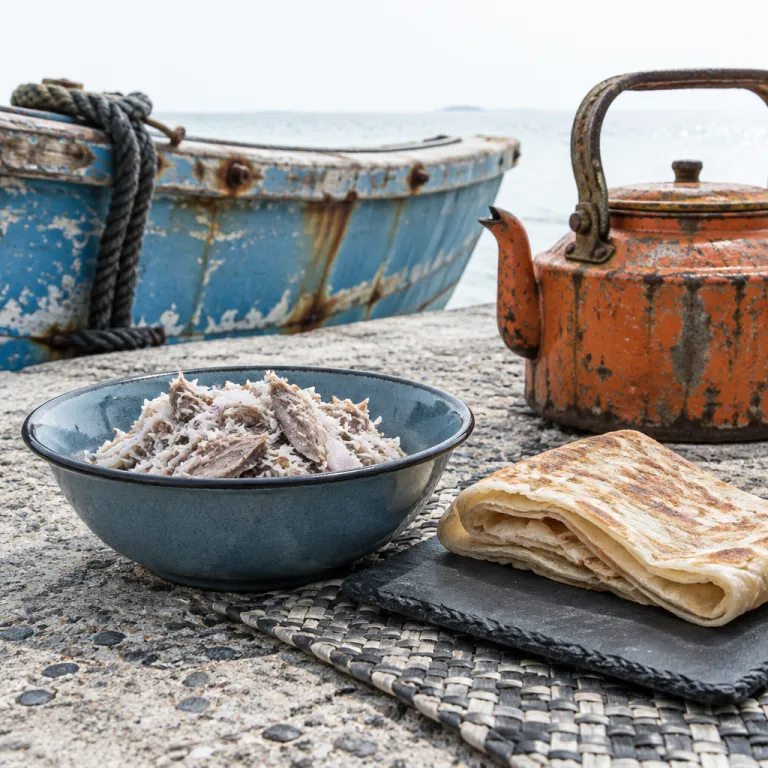
Mas huni is the national breakfast, a cool tangle of smoked tuna, grated coconut, onion and chilli that many Maldivians still eat before the first boat leaves the jetty. This mix of mas and huni is usually served with warm roshi flatbread, wedges of lime and sometimes a drizzle of coconut oil, and it is the most direct way to taste traditional Maldivian life without leaving your villa deck. Ask whether the resort prepares mas huni fresh each morning, whether the tuna is line caught maldives fish and whether the grated coconut is from palms on the island.
Garudhiya, by contrast, is a clear fish broth that anchors midday dining in many homes. This delicate garudhiya is made from very fresh tuna or reef fish simmered with curry leaves, onion and salt, then eaten with rice, rihaakuru condiments and raw chilli, and it is one of the most quietly luxurious dishes you can order. When a hotel lists garudhiya as a daily special, it signals that maldivian cooking is not a theme night performance but a living cuisine Maldives chefs cook for themselves.
The parallel universe of resort dining and real maldivian cuisine
For years, many luxury properties in the Maldives treated local food as an occasional curiosity. International cuisine dominated menus, while maldivian food mas huni garudhiya traditional appeared only on a weekly buffet labelled “Maldivian night” between Indian curries and pan Asian stir fries. That is slowly changing as guests ask for maldivian cuisine by name and chefs realise authenticity can be a genuine luxury differentiator.
To understand what you are tasting, it helps to know the staples of traditional Maldivian eating. Mas huni is built on smoked tuna and grated coconut, while garudhiya is a clear fish broth that becomes a full meal once you add rice, lime and sometimes a spoon of rihaakuru, the concentrated fish paste that every Maldivian kitchen keeps close. Rihaakuru is made by simmering maldives fish stock for hours until it becomes a thick, umami rich paste, and it often seasons mas riha, the national dish of tuna curry served with roshi or rice.
When you read a resort menu, look for these names among the dishes rather than only generic “curry” or “fish of the day”. A serious kitchen will offer mas riha alongside other curries, perhaps a tuna coconut curry made with coconut milk and curry leaves, and maybe a deep fried fish cake or two as part of the hedhikaa short eats selection. For a deeper dive into which properties actually cook local food with care, study guides such as the Maldivian curry table feature on resort kitchens that actually cook local before you book.
The coconut and tuna economy shaping every plate
Maldivian cooking grew from two reliable elements, the ocean and the coconut palm. On most islands, tuna and other maldives fish arrive daily, while coconut, breadfruit and screwpine grow within a few metres of the shoreline. When you taste maldivian food mas huni garudhiya traditional, you are tasting this tight relationship between sea and tree.
In a typical home, tuna appears in several forms across the day’s dishes. Fresh tuna becomes garudhiya or mas riha, smoked tuna is flaked into mas huni with grated coconut, and dried tuna might be pounded into a condiment for rice or stirred into rihaakuru to deepen the flavour. Coconut arrives as coconut milk in curries, as coconut oil for shallow frying, and as fresh huni mixed with tuna coconut salads that feel both rich and clean.
Resort chefs who respect maldivian cuisine Maldives wide tend to work closely with local fishers and island suppliers. Ask whether the hotel buys maldives fish directly from nearby harbours, whether the coconut milk is pressed on site, and whether the kitchen uses coconut oil or neutral imported oils for its fish cake and deep fried snacks. If you are planning a trip during peak season, pair your culinary research with practical planning using resources such as this guide to weather in Maldives for serene island escapes, then match your preferred conditions with resorts that foreground local food.
Where luxury resorts finally let you eat like a local
Some high end properties now treat maldivian food mas huni garudhiya traditional as a core part of their identity rather than a themed sideshow. You will see this in how they structure dining, from fisherman to table experiences to cooking classes led by Maldivian chefs who grew up eating these dishes. For a solo traveller, these programmes can be the most rewarding way to move beyond the buffet and into real conversations about maldivian food and daily life.
Look for resorts that host small group classes focused on maldivian cooking rather than generic “Asian cuisine”. A good session might start with cleaning fresh tuna, then move through preparing garudhiya, simmering mas riha with coconut milk and curry leaves, and finally mixing mas huni with just the right ratio of smoked tuna to grated coconut. You should finish with a plate of hedhikaa short eats, perhaps a deep fried fish cake, bajiya stuffed with tuna coconut filling, and gulha dumplings served with strong black tea.
Design focused travellers can also read a property’s culinary seriousness through its overall philosophy. Resorts that care about traditional Maldivian food often also care about context sensitive architecture, reef health and staff culture, themes explored in depth in this guide to how to read a Maldives resort’s design language before you book. When a hotel invests in local food, local staff and local materials, the mas huni at sunrise and the garudhiya at dusk tend to taste more grounded and quietly luxurious.
Leaving the resort bubble: local island meals and the breakfast test
To understand maldivian cuisine beyond the polished resort plate, you need at least one meal on a local island. Many high end hotels can arrange an afternoon visit that includes tea, hedhikaa and perhaps an early dinner in a family home or a simple café. This is where maldivian food mas huni garudhiya traditional steps out of the spotlight and becomes background, the everyday rhythm of eating rather than a curated tasting menu.
In a local café, expect glass counters filled with deep fried short eats, from tuna coconut bajiya to fish cake snacks and keemia rolls. You might see pots of mas riha and other curries lined up beside rice, with a small bowl of rihaakuru on the side for those who want a stronger hit of fermented fish intensity. Ask for garudhiya if it is available, then watch how locals break pieces of roshi, dip them into the fish broth and chase each bite with raw onion and chilli.
Back at your resort, apply what you have learned with a simple test. Order mas huni for breakfast and garudhiya or another traditional Maldivian dish for lunch, then pay attention to the details of the dishes and the confidence of the service team. If the staff talk easily about ingredients like maldives fish, coconut milk, curry leaves and rihaakuru, you have probably chosen a property where maldivian food is treated as a living national cuisine rather than a decorative extra.
FAQ
Is mas huni really the national breakfast of the Maldives ?
Mas huni is widely regarded as the national breakfast, and you will find it in homes, cafés and many staff canteens across the islands. The dish combines smoked tuna, grated coconut, onion, chilli and lime, usually eaten with roshi flatbread. In luxury resorts, asking for mas huni is a direct way to gauge how seriously the kitchen treats maldivian food and local food traditions.
What is the difference between garudhiya, mas riha and rihaakuru ?
Garudhiya is a clear fish broth made from very fresh tuna or reef fish, typically served with rice, lime and raw condiments. Mas riha is a tuna curry cooked with coconut milk and spices, often considered a national dish and a staple of maldivian cuisine. Rihaakuru is a thick, concentrated fish paste made by reducing fish stock for hours, used as a seasoning or spread rather than a dish Maldives diners eat on its own.
Can I eat traditional Maldivian dishes safely as a solo traveller ?
In luxury resorts, hygiene standards are generally high, and traditional Maldivian dishes such as mas huni, garudhiya and various curries are prepared with the same care as international options. On local islands, choose busy cafés with a fast turnover of food, and prioritise freshly cooked items like hot curries or deep fried hedhikaa. If you have a sensitive stomach, start with milder dishes and avoid large amounts of raw chilli until you see how your body responds.
How can I arrange a local island meal from my resort ?
Most premium properties in the Maldives have excursion desks that can organise half day visits to nearby inhabited islands. Ask specifically for a programme that includes a home cooked meal or a café stop focused on maldivian food rather than only shopping or sightseeing. Clarify dietary needs in advance, and request that at least one meal features mas huni, garudhiya or another traditional Maldivian dish so you can experience everyday flavours.
What should I look for on a menu to find authentic maldivian food ?
Scan the menu for named dishes such as mas huni, garudhiya, mas riha, rihaakuru based condiments and hedhikaa short eats like bajiya, gulha and fish cake snacks. References to maldives fish, coconut milk, grated coconut and curry leaves are good signs that the kitchen is working with local ingredients. When staff can explain how these dishes fit into maldivian cooking and daily life, you are likely in a place where traditional Maldivian cuisine is taken seriously.